The Conversation (0)
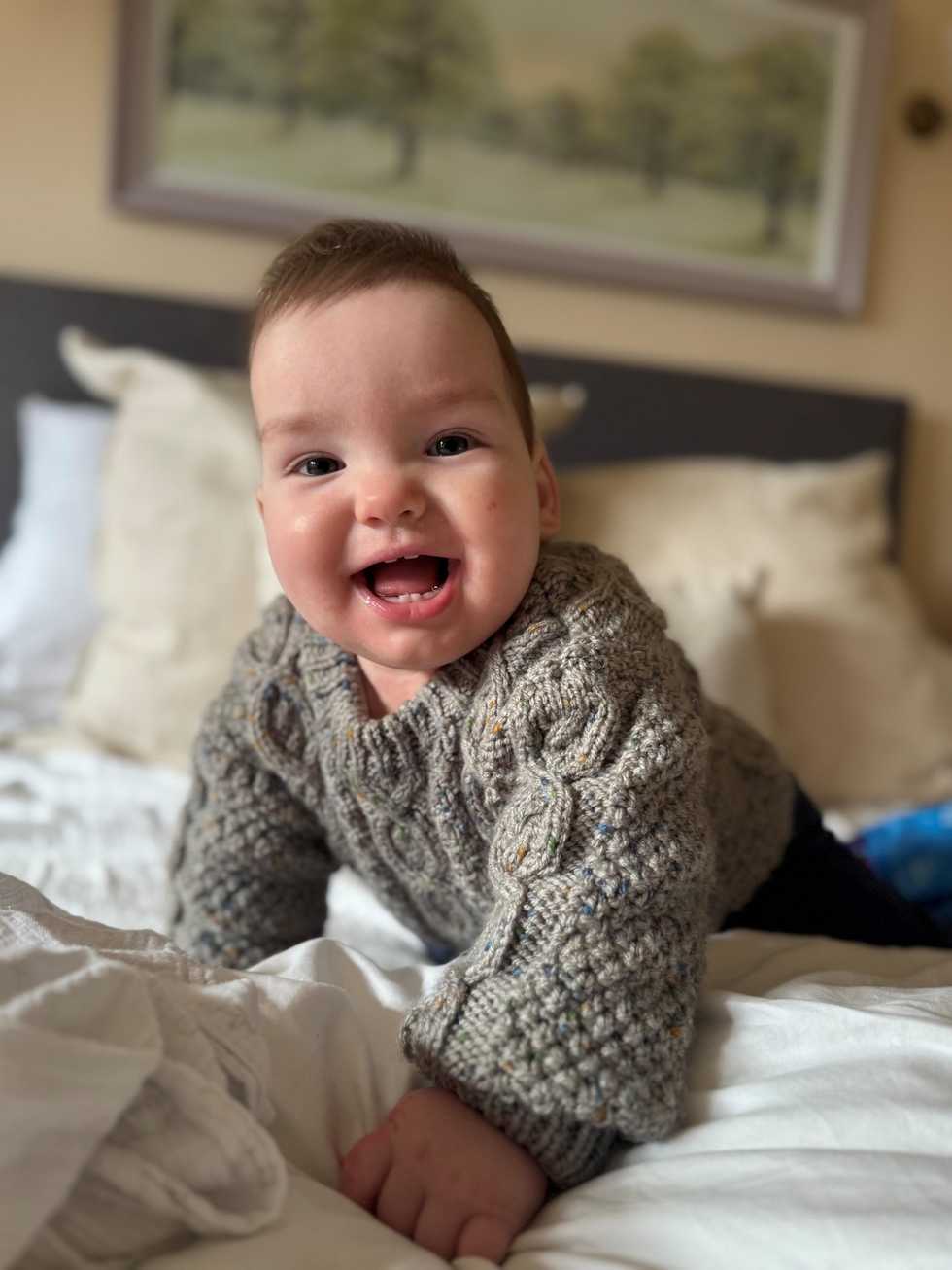
Rory Potter has become the first patient to receive a new type of treatment for a rare skull condition (Family handout/PA)
A “happy and cheeky” baby boy has become the first in the world to be given a new type of treatment for a rare skull condition.
One-year-old Rory Potter was diagnosed with severe sagittal craniosynostosis – a condition where the skull fuses before birth which leads to the skull to be long from front to back but narrow from side to side – shortly after he was born.
Treatment usually involves skull reshaping surgery, which takes place within the first months of life.
Over the last two decades this has involved the use of stainless steel springs to gradually widen the gap, giving space for the brain to develop and for new bone to grow.
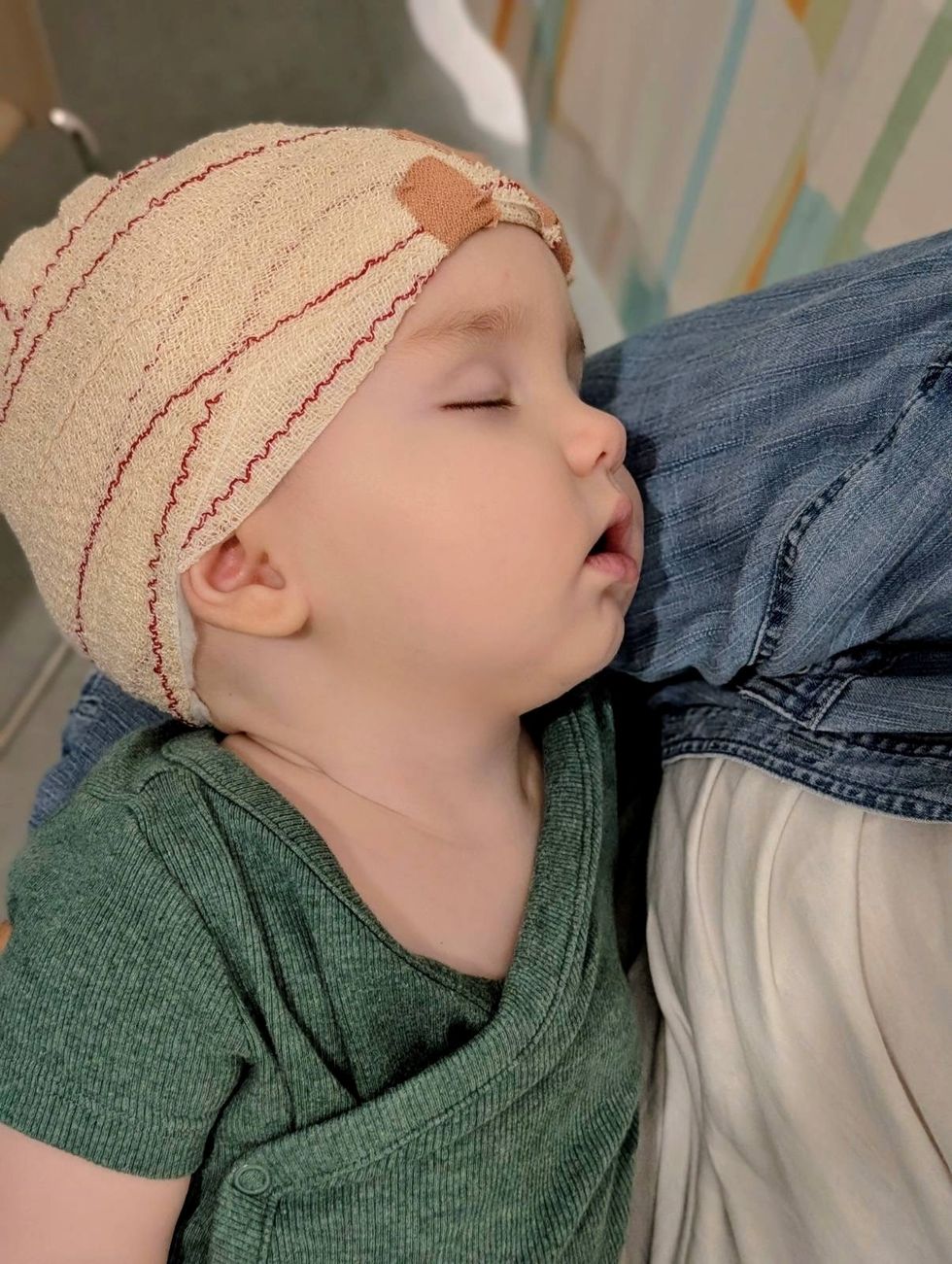 Rory had his surgery in September last year (Family handout/PA)
But now experts have developed new “super elastic” springs using a special metal called nitinol, a nickel and titanium alloy, with Rory the first patient to have them fitted.
Each spring is custom-designed to the patient and their “super elastic properties” allow them to adapt more naturally to a child’s growing skull, experts at Great Ormond Street Hospital (Gosh) said.
The springs were developed by experts at Gosh and University College London (UCL).
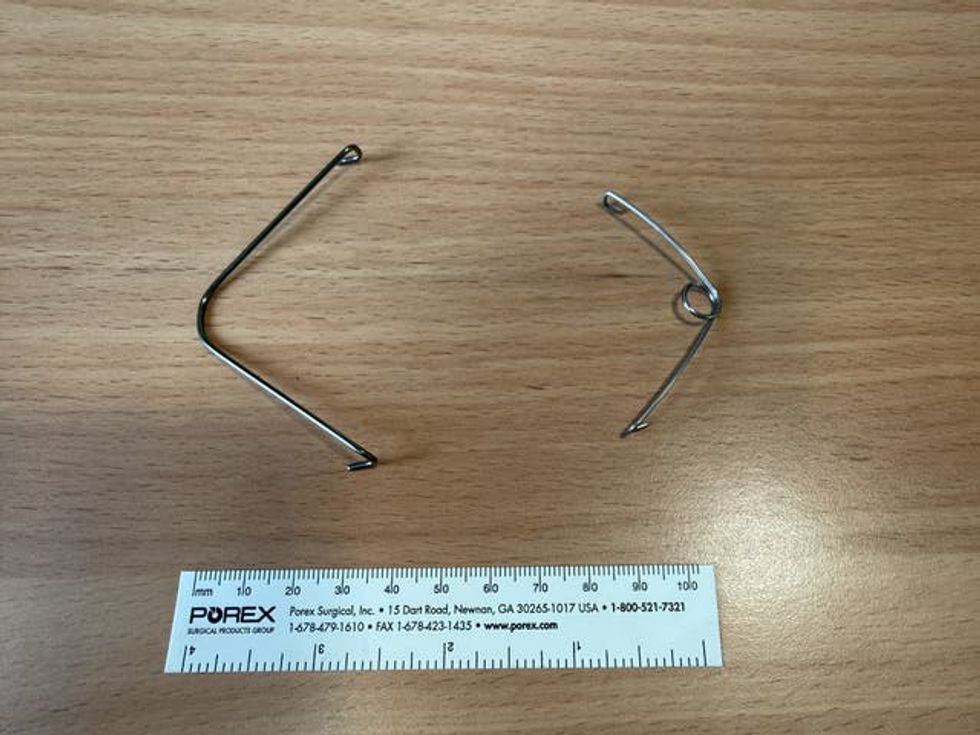 Nitinol springs that are used to gradually widen the gap, giving space for the Rory’s brain to develop and for new bone to grow (Gosh/PA)PA Media - GOSH
Using CT scans, the team create a detailed digital model of each child’s skull to predict how they will respond to surgery. They then design bespoke springs to deliver the right level of force.
Once inserted the springs will remain in place for several weeks to months, gradually reshaping the skull before being removed.
The new technology means children can avoid longer and more invasive operations and should see a reduction in blood transfusion rates, experts said.
Rory was born in April 2025.
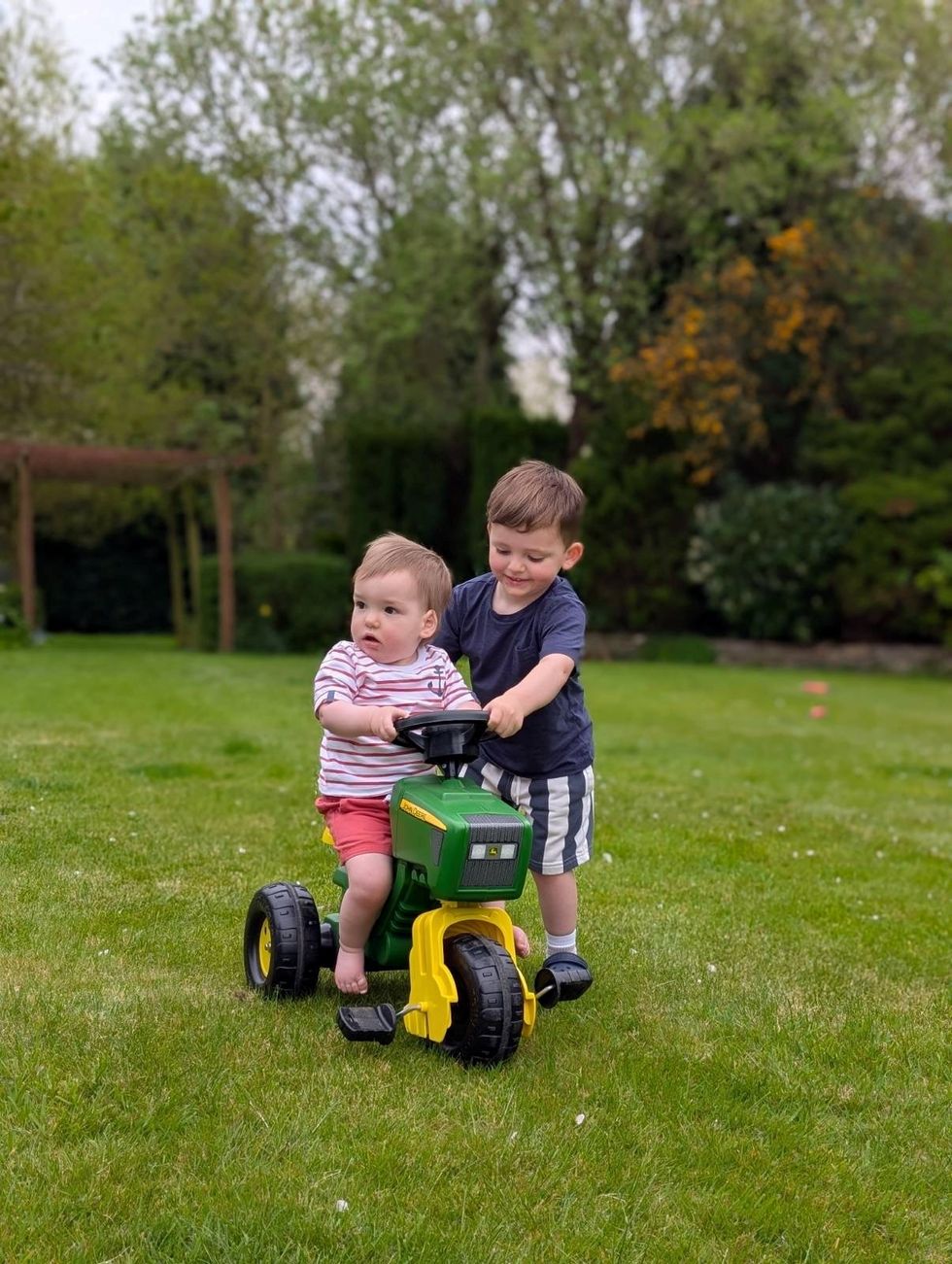 Rory with his big brother Oscar (Family handout/PA)
His parents, Harry and Jo Potter, from Chesterfield, Derbyshire, raised concerns about Rory’s head being longer than expected.
With sagittal craniosynostosis suspected, Rory was referred to Gosh where his diagnosis was confirmed.
Because his case was severe, medics thought he may benefit from the new nitinol springs instead of the traditional steel springs.
Rory had the 45-minute operation to fit the springs in September and only needed to stay in hospital for one night before returning to Derbyshire to his brother Oscar, three, and the family dog Ada.
Nine weeks later they were removed after his skull reached the desired outcome.
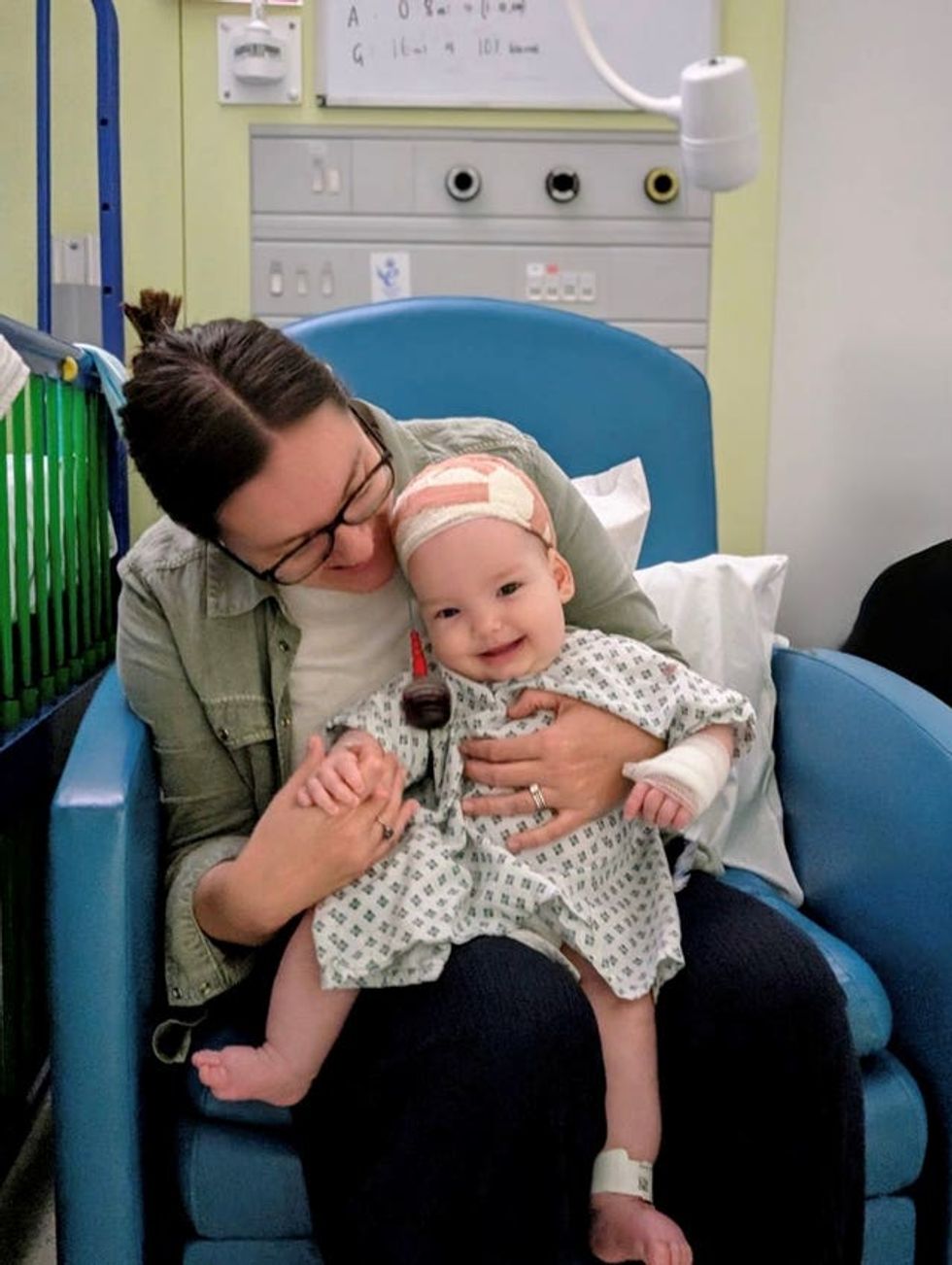 Rory with his mother, Jo (Family handout/Gosh/PA)PA Media - Family handout/GOSH
His mother Jo, a 36-year-old project manager, said: “Rory is so happy, cheeky and full of energy. You wouldn’t know what he’s been through, he’s just like every little boy and hitting milestones and he will have a great story to tell when he’s older.
“We cannot thank the team enough for the care, compassion and reassurance. Not to mention their dedication to medical science to support and help children thrive.
“Throughout the process, every element was explained so well. We knew what was going to happen and how, we received amazing support from each member of the team.
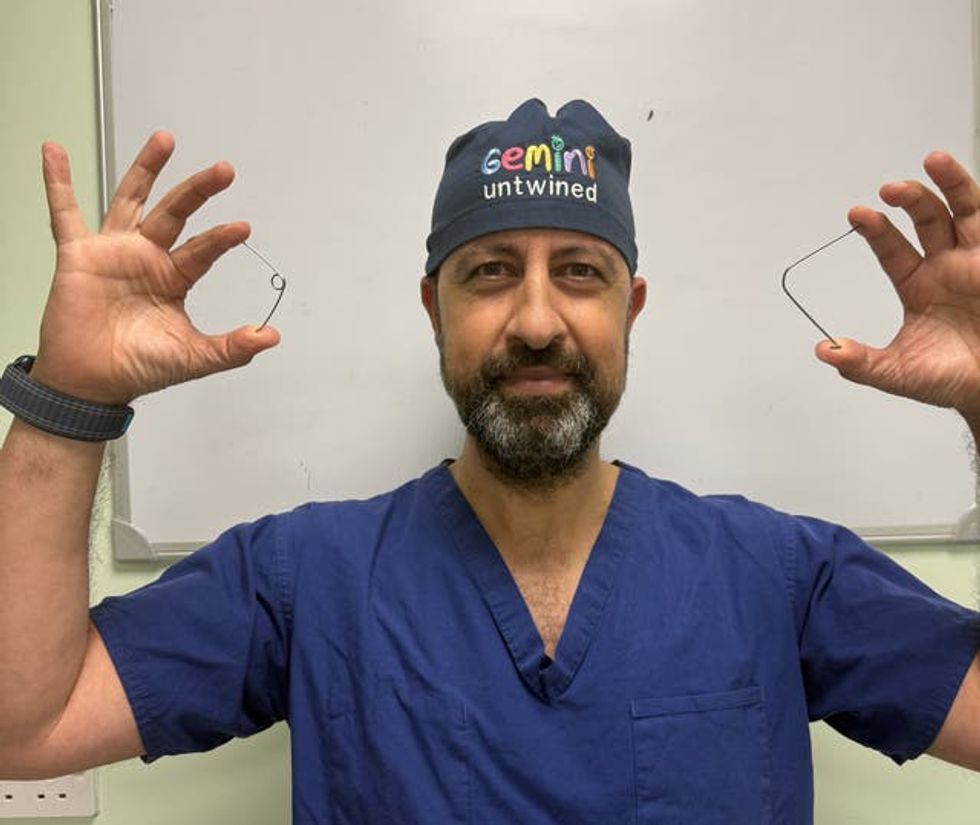 Professor Owase Jeelani, consultant neurosurgeon at Gosh holds the springs used to help Rory (Gosh/PA)PA Media - GOSH
Professor Owase Jeelani, consultant neurosurgeon at Gosh who was part of the team who developed the new springs and led the surgery, said: “Traditional stainless-steel springs are very robust, but they don’t always allow us to finetune the force on the skull.
“These new nitinol springs give us much greater flexibility and, in some cases, can prevent the need for further surgery.
“This first surgery is important progress for children with craniosynostosis and so far, we have seen fantastic outcomes.”
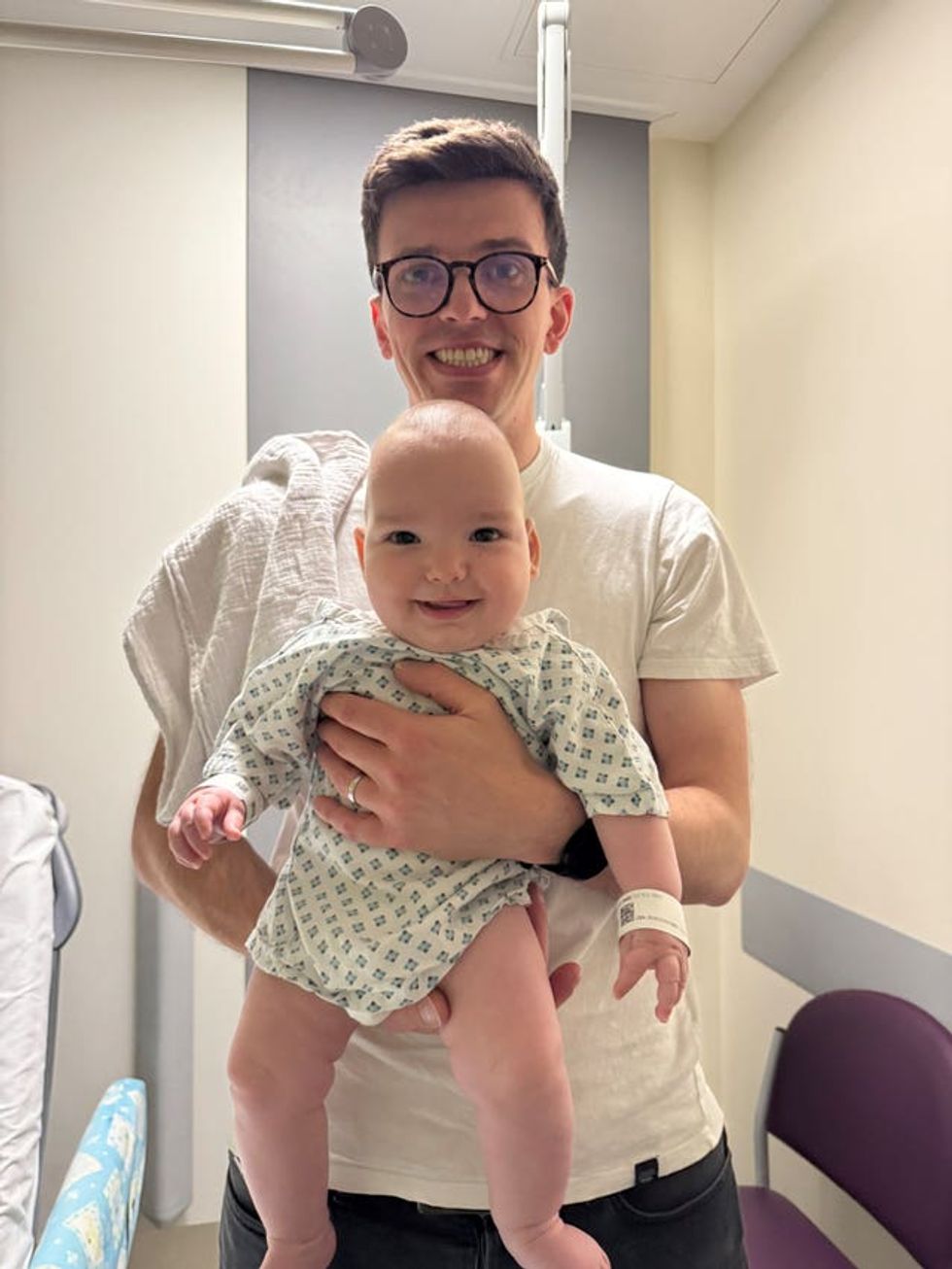 Rory with his father, Harry (family handout/Gosh/PA)PA Media - Family handout/GOSH
Professor Silvia Schievano, who led the team of biomedical engineers at UCL, said: “This has been many years in the making, with thousands of hours of necessary research undertaken.
“It is a very proud moment to see this technology used in a child with such a positive result. It uplifts the importance of engineering research and clinical care coming together to develop new technologies for improved healthcare.”
Dr Alessandro Borghi, who helped develop the springs and is now at Durham University, added: “It is extremely rewarding to see our research efforts translate into a tangible improvement in the life of a baby.
“This achievement demonstrates the real-world impact that can be achieved through close collaboration between engineering and clinical research.
“We hope this success serves to highlight the importance of investing in and promoting medical technology, showcasing its potential to drive meaningful innovations that improve patient care and clinical outcomes.”
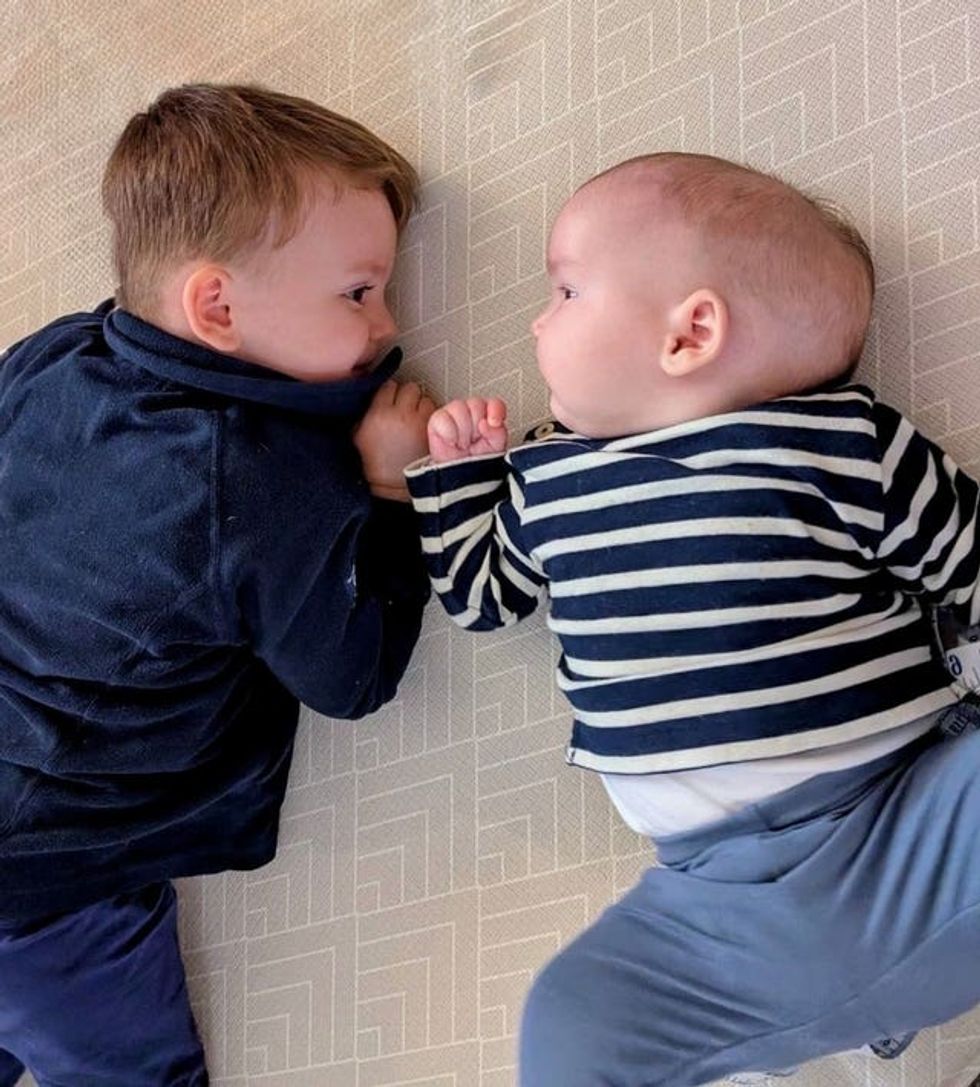 Rory, right, with his brother Oscar (family handout/Gosh/PA)PA Media - Family handout/GOSH
The research work behind the operation was funded by Great Ormond Street Hospital Charity and National Institute for Health and Care Research Gosh Biomedical Research Centre.
Aoife Regan, from the Gosh Charity, said: “We are so proud to have provided over £1 million of funding for this work via the Face Value project, which aims to improve treatment for children with complex forms of craniosynostosis.
“Gosh Charity is the largest charitable funder of medical research dedicated to paediatrics in the UK and, as part of our commitment to give seriously ill children the best chance, and best childhood possible, we are currently implementing our £70 million research strategy to transform the lives of children through research-led care.”
Professor Marian Knight, scientific director for NIHR Infrastructure, said: “By funding innovative research into treatments such as these ‘memory-metal’ springs, the NIHR enables researchers to help children like Rory receive safer, more precise, and highly personalised care.”
Top 100