The Conversation (0)
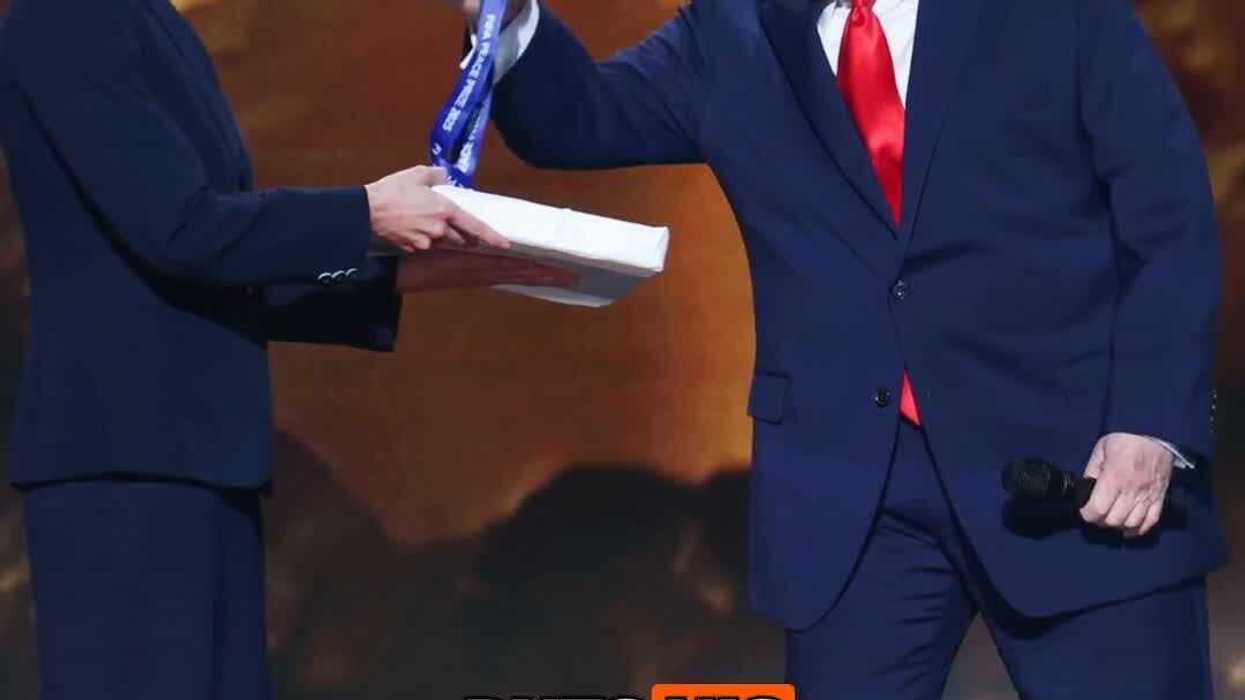
Related: Trump wins unexpected peace prize from FIFA! #ViralNews
All Time Entertainment - Vertical / VideoElephant
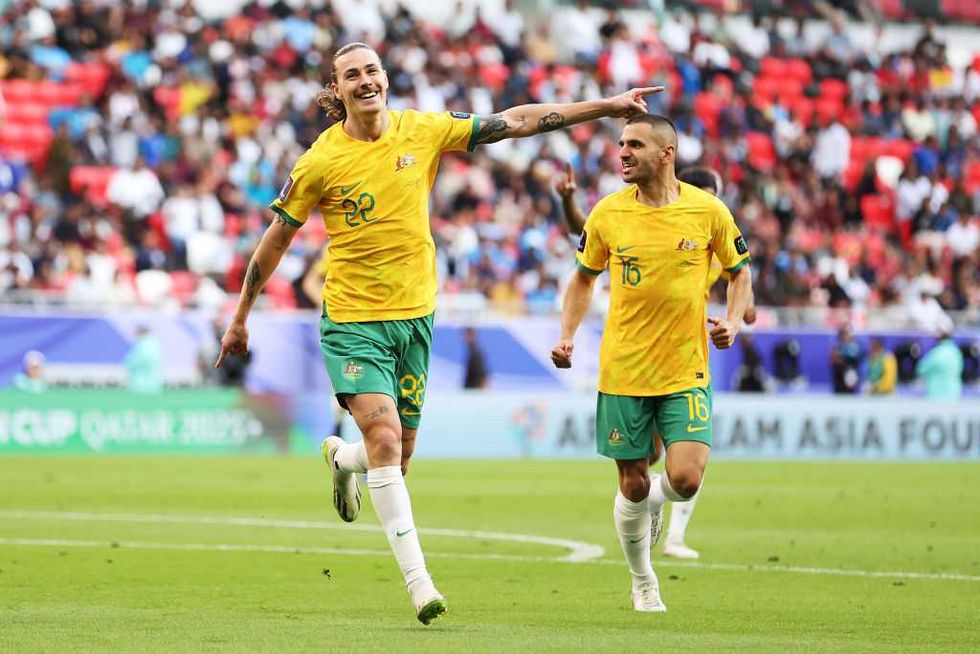
Australia midfielder Jackson Irvine has accused football’s global governing body, FIFA, of making a "mockery" of its Human Rights Policy, asserting that the organisation has undermined the sport’s credibility as a force for good.
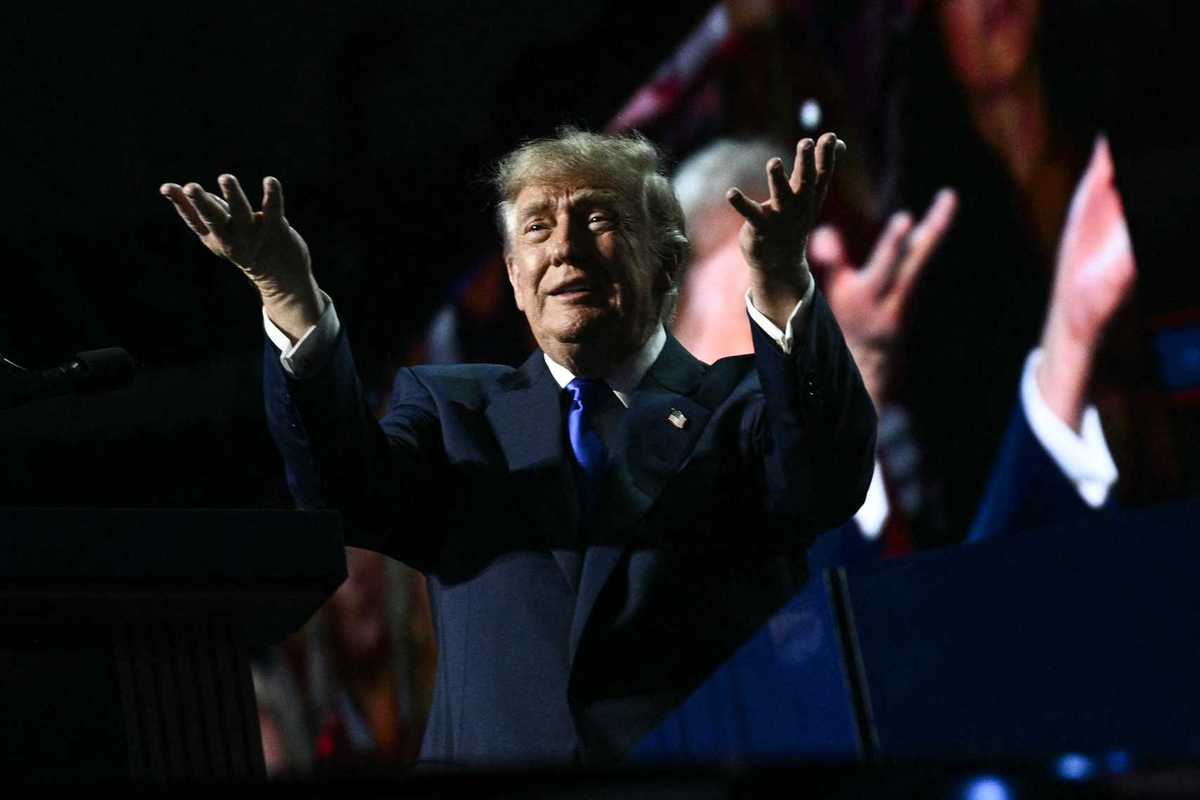
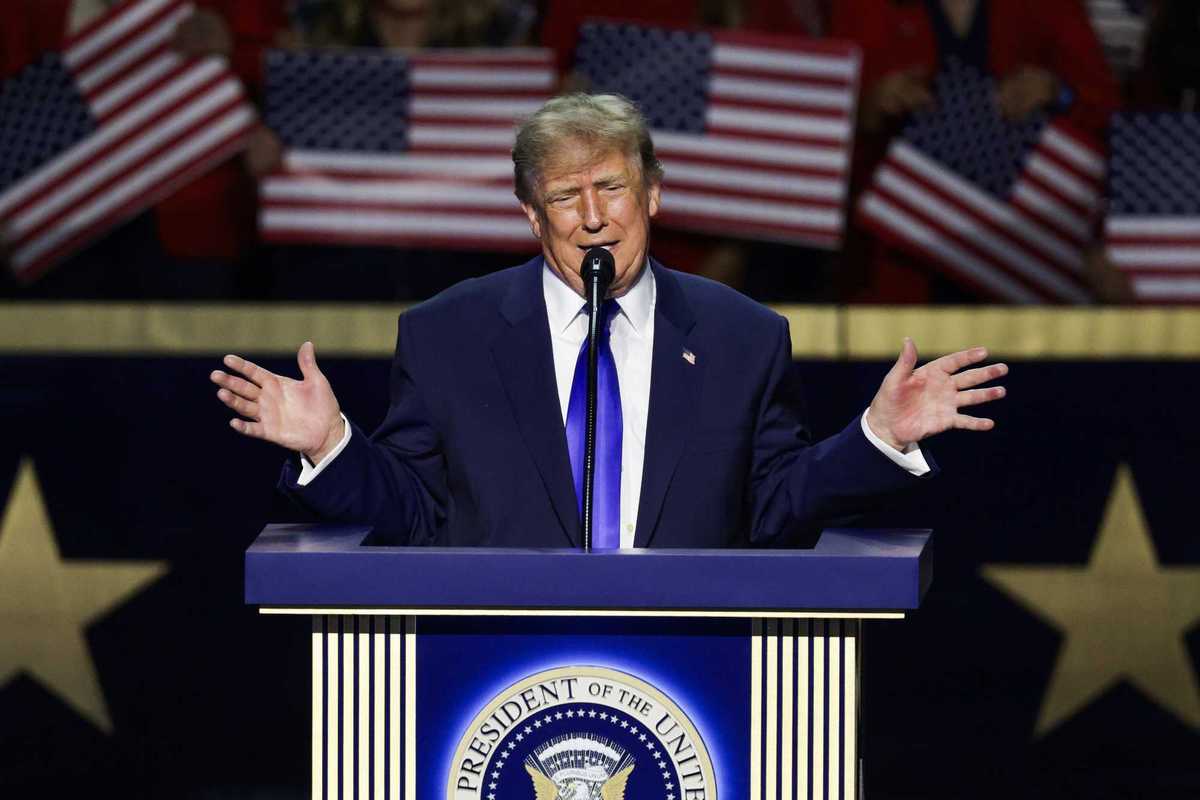
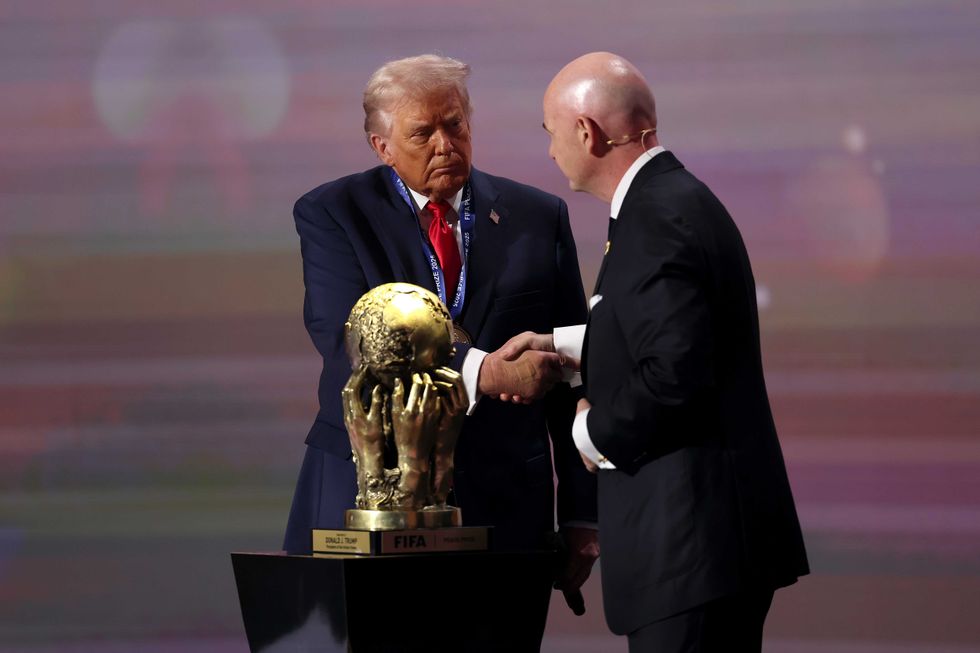
In an interview with Reuters, Irvine criticised FIFA’s decision to bestow its inaugural Peace Prize upon Donald Trump at the World Cup draw in December, citing his supposed role in "promoting peace and unity around the world". This award came just a month before the US, which is co-hosting the World Cup with Canada and Mexico, launched a military strike on Venezuela, followed by joint airstrikes with Israel on Iran on 28 February.
Irvine stated: "As an organisation, you would have to say decisions like the one that we saw awarding this peace prize makes a mockery of what they’re trying to do with the human rights charter and trying to use football as a global driving force for good and positive change in the world." He added that such decisions "feel like they just set us back in the perceived market of what football currently is, especially at the top level where it’s becoming so disconnected from society and the grassroots of what the game actually is and means in our communities and in the world."
Neither FIFA nor the White House offered immediate comment on the matter. The awarding of the Peace Prize to Donald Trump has been widely condemned by human rights groups and activists, with Norway’s football federation calling for its abolition to prevent FIFA from being drawn into political controversies.
 Robert Cianflone/Getty Images
FIFA first published its Human Rights Policy in 2017, and its framework for the 2026 World Cup includes provisions for host cities to promote inclusion, protect freedom of expression, and prohibit discrimination. However, rights groups argue that FIFA must do more to pressure the US to address potential human rights abuses for athletes, fans, and workers, particularly in light of the Trump administration’s stringent immigration crackdown and deportation efforts.
Irvine, who has earned 80 caps for Australia and captained the national team, plays for German Bundesliga club St. Pauli, known for its progressive culture. The 33-year-old has a history of advocating for human rights, notably leading the Australian team’s protest against Qatar’s human rights record before the 2022 World Cup. He and 15 teammates raised concerns about migrant worker conditions and called for the decriminalisation of same-sex relationships in the Gulf nation.
Four years on, Irvine expresses similar concerns regarding human rights in the United States and the treatment of LGBT groups. "It’s not an issue just in the Middle East, in America we’re seeing more and more of the rights of these communities ... being taken away all over the country," he said, adding: "We have to sincerely hope that we see a lot of open support in that space as well."
While players have historically used World Cups to champion causes such as anti-racism and gender equality, FIFA prohibits political, religious, and personal slogans or imagery on team equipment. The organisation notably blocked captains of seven European teams from wearing rainbow armbands during the 2022 tournament to protest Qatar’s laws against same-sex relationships. In contrast, players at the 2023 Women’s World Cup were offered a choice of eight FIFA-sanctioned armbands promoting social causes.
 Patrick Smith/Getty Images
FIFA has not confirmed whether sanctioned armbands will be available for the upcoming World Cup and did not comment when asked by Reuters. Irvine expressed hope that armbands and other symbols of advocacy would be welcomed, and that players would be granted leeway to express themselves. However, he also acknowledged the potential backlash athletes might face for taking a stand.
"You’ve got a group who are unbelievably supportive and really love to see people in these positions speak up about issues that they care about," he noted. "And on the other side, the opposite, the polarisation has gone further. People really actively dislike players trying to bring politics into sport."
Top 100