The Conversation (0)
Stanford University and Jamie McCarthy/Getty Images
It’s infamous and notorious for being a highly unethical social experiment from the 1970s, and now, the Stanford Prison Experiment has been recreated as a new Netflix reality series – and as you would expect, social media users have thoughts.
News of the upcoming series was broken by Variety on Tuesday, with the outlet saying the first series will comprise six 45-minute episodes.
The synopsis reportedly reads: “Thirty willing participants enter a real prison and are randomly assigned as guards or prisoners. Thrust into a system of power, hierarchy, and control, they’ll discover whether ordinary people inevitably conform to the roles they’re given - or whether empathy, morality, and individuality can withstand the forces pushing them in the opposite direction.
“As the pressure builds and the balance of power begins to shift, the central question feels more urgent than ever: Does power corrupt?”
Speaking to Variety, one of the show’s executive producers, Jane Lipsitz said the experiment has “always fascinated” her.
 Stanford University
“Despite its serious ethical flaws, it asked a fundamental question that feels even more relevant today: how does power affect ethical choices?
“Getting the opportunity to reimagine this social experiment was one of the most intense, exhilarating - and definitely nail-biting - experiences we’ve ever had.
“Netflix has always been an incredible supporter of ambitious projects that take risks, push boundaries and tell challenging stories, so we were incredibly grateful to have them as our partners on this one,” she said.
 Stanford University
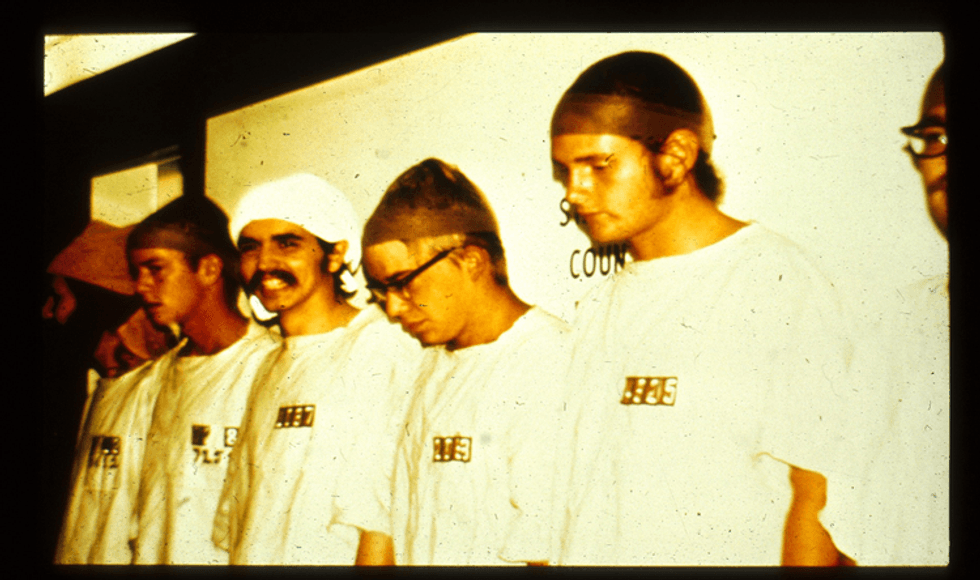
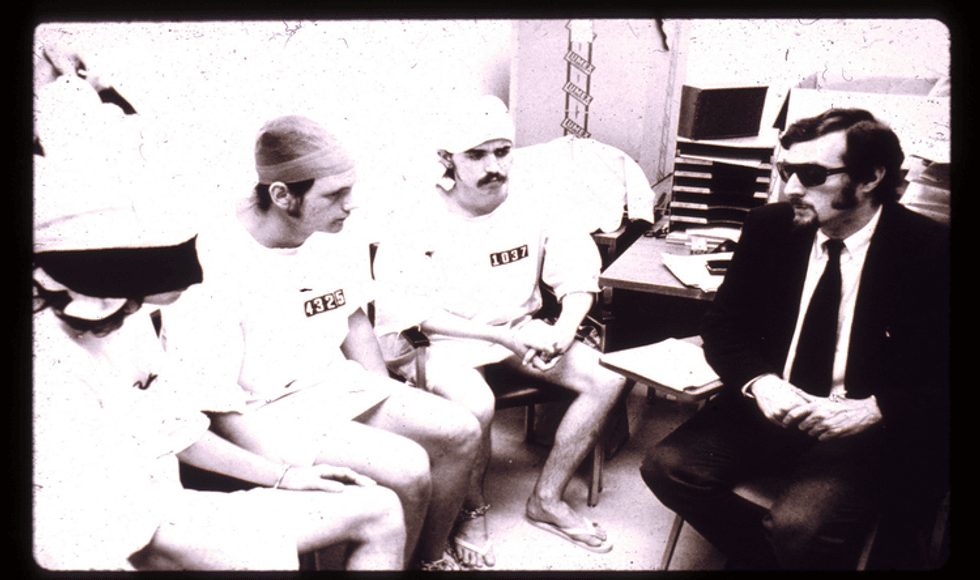
If you’re not familiar, the original Stanford Prison Experiment was carried out in August 1971 and led by psychology professor Philip G. Zimbardo, who wanted to “examine the psychological effects of authority and powerlessness in a prison environment” – per Stanford University Libraries.
A total of 24 students were selected and randomly assigned the role of either prisoner or guard, and while the experiment was meant to last for a week or two, it was terminated after just six days when the prisoners “were forced to endure cruel and dehumanizing abuse”.
Dr Zimbardo said the experiment showed how “ordinary college students could do terrible things”, so unsurprisingly, the reality show concept has since sparked concern online:
“the stanford prison experiment being one of the most infamous examples of unethical psychological research and netflix deciding the obvious next step is to recreate it for entertainment… alright then,” wrote one user:
Another said Netflix doing their version of the experiment “feels like an apt metaphor for where we are as a society”:
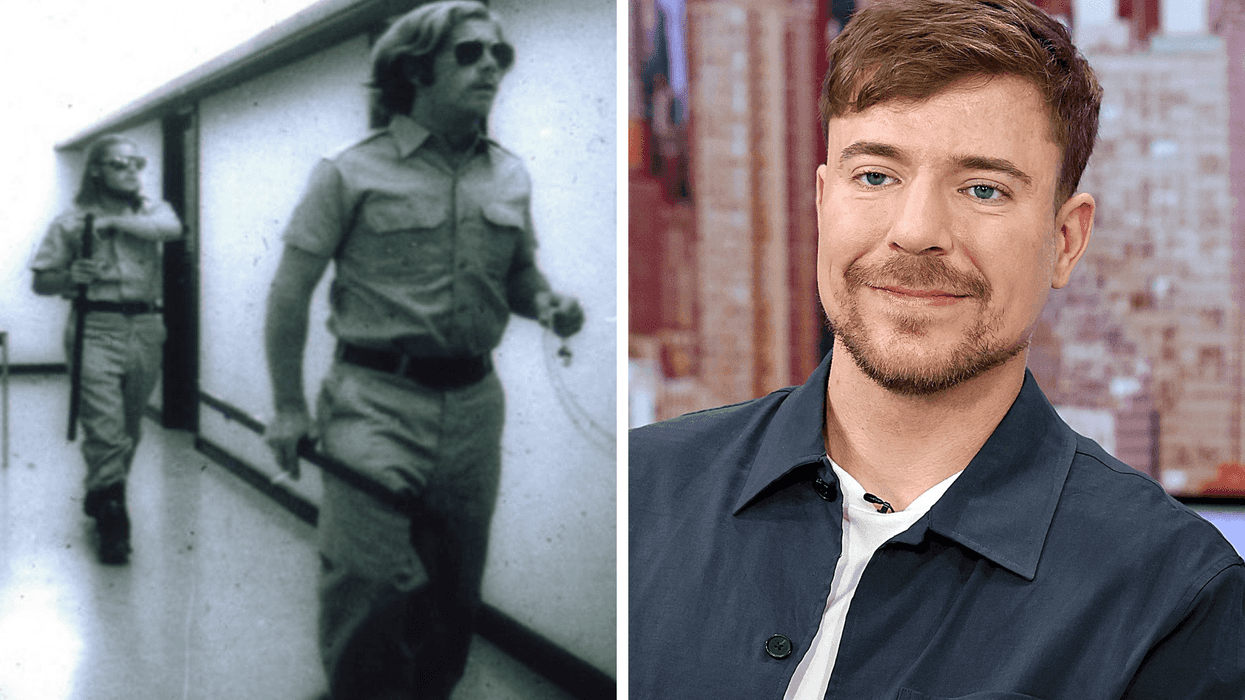
“I can’t prove it, but Mr Beast is to blame for this,” commented a third:
A fourth account also referenced the YouTuber - whose reality game show Beast Games and his real life spin on Squid Game both received widespread criticism - writing: “The Mr Beast pathogen has spread beyond any hope of containment”:
“Leave it to Netflix to reproduce one of the most notorious and unethical social experiments ever, but as reality TV,” said film concept artist and illustrator Reid Southen:
And technology journalist Taylor Lorenz tweeted: “All of entertainment is just cut rate MrBeast”:
The New Stanford Prison Experiment begins on Netflix on 21 October.
Why not read…
- What are critics saying about 'Primetime' starring Robert Pattinson?
- Naked Attraction viewers shocked by 'biggest penis ever'
Sign up to our free Indy100 weekly newsletter
How to join the indy100's free WhatsApp channel
Have your say in our news democracy. Click the upvote icon at the top of the page to help raise this article through the indy100 rankings.
Top 100