The Conversation (0)
Trump
Trump administration considering new refugee cap to bring in more white South …
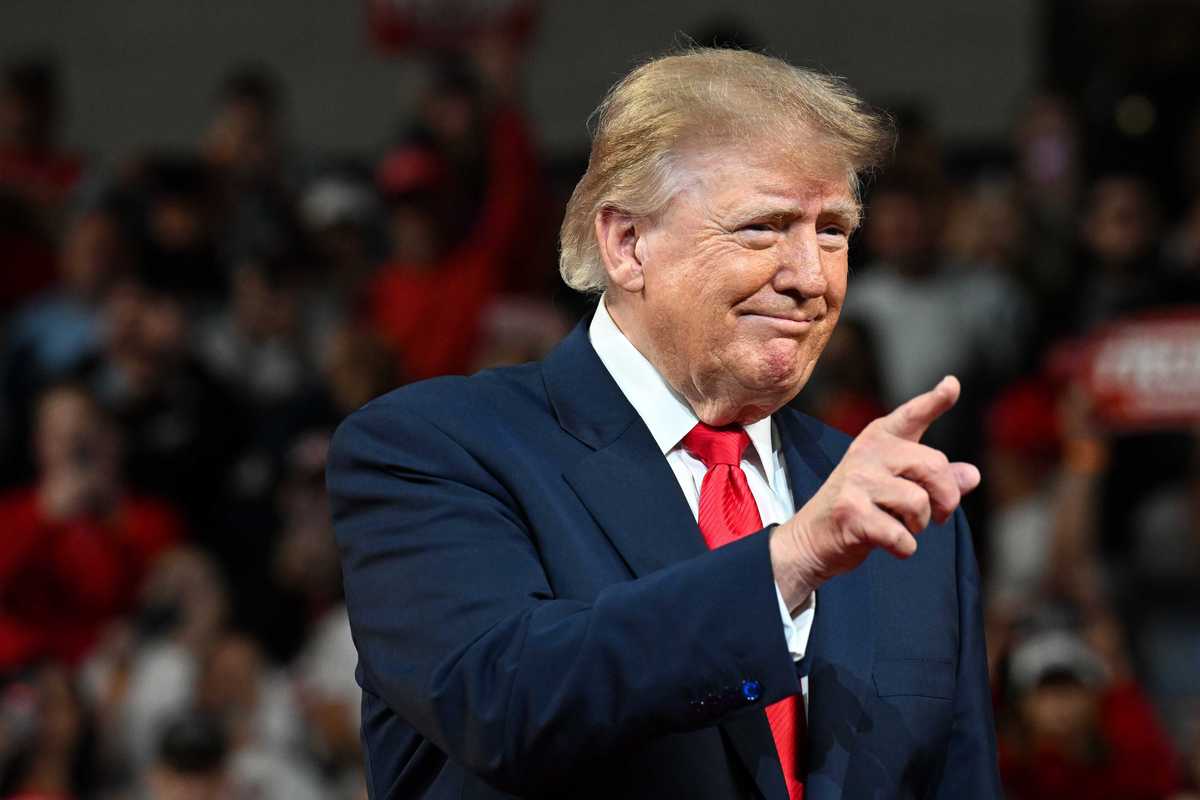
Donald Trump has significantly expanded the number of refugee places available for white South Africans, asserting that there has been a "recent increase in the incitement of racially motivated violence" against them by the country's Black-led government and other political parties.
The announcement on Tuesday allocated an additional 10,000 places, bringing the total to 17,500 for white South Africans in the refugee programme this year.
However, the specific instances of incitement Mr Trump was referring to remain unclear. This move marks his latest contention that minority white Afrikaners are facing persecution, a claim consistently denied by the South African government.
Mr Trump's administration has outlined several justifications for this resettlement, which critics largely dismiss as baseless.
Attacks on Farmers Last year, Mr Trump laid the groundwork for the resettlement of Afrikaners through an executive order, portraying them as victims of racial violence fuelled by government actions.
Afrikaners are white South Africans primarily descended from Dutch and French settlers who arrived in the 17th century.
The US has cited a small number of home attacks on white farmers as evidence of racial persecution. Yet, the South African government and independent analysts argue this presents a distorted view of the facts.
 AP Photo/Luis M. Alvarez
They highlight that Black farmers and farmworkers are also victims of violence, which is predominantly attributed to violent robberies rather than racial attacks. South Africa grapples with a severe violent crime problem that impacts all racial groups, including white farmers.
Official annual crime statistics for April 2025 to March 2026 recorded over 23,000 homicides across South Africa, affecting all races but disproportionately impacting the poor Black majority. In contrast, the Afrikaner lobby group AfriForum reported 29 farm homicides in 2025, representing approximately 0.1 per cent of all homicides.
South African police note that Black individuals were also killed in these farm incidents, though rural crimes are not typically categorised by the race of victims. AfriForum, while vocal about rural crime concerns, does not publish statistics on Black farmer and farmworker fatalities, stating it "does not racialise the issue."
Anti-White Rhetoric The Trump administration claimed a recent surge in incitement to racial violence by the South African government and other politicians had created an "unforeseen emergency refugee situation" and "grave humanitarian concerns" for Afrikaners.
This assertion lacks clear evidence, as there has been no public incitement to violence from the South African government, which is a coalition of 10 political parties, some led by white individuals. White people, including those of Afrikaner heritage, serve in the South African Cabinet.
Allegations of an "emergency refugee situation" for Afrikaners do not align with daily life in South Africa, where Afrikaners hold prominent positions as politicians, business leaders, and sports stars. Their language, Afrikaans, is widely spoken and taught in schools as one of the country’s 11 official languages, and Afrikaner monuments and churches are maintained as part of the nation's multicultural fabric.
Previously, the Trump administration focused on a single far-left opposition party in South Africa, which has stoked racial tensions by occasionally using a decades-old chant from the anti-apartheid era. The chant, containing the lyrics "kill the Boer" (referring to white farmers), has been investigated for hate speech.
The South African government has not condemned the chant, arguing it holds historical significance in the fight against apartheid and should not be interpreted literally. Some Afrikaner groups, like AfriForum, have criticised this stance and called for the chant to be outlawed. This far-left party, however, is not part of the government and holds no national power.
Affirmative Action Laws South Africa's affirmative action laws have also been cited by the Trump administration as evidence of anti-white policies. These laws are designed to advance opportunities for Black people and other groups who were oppressed under white minority rule, as well as women and people with disabilities, though their success remains a subject of debate.
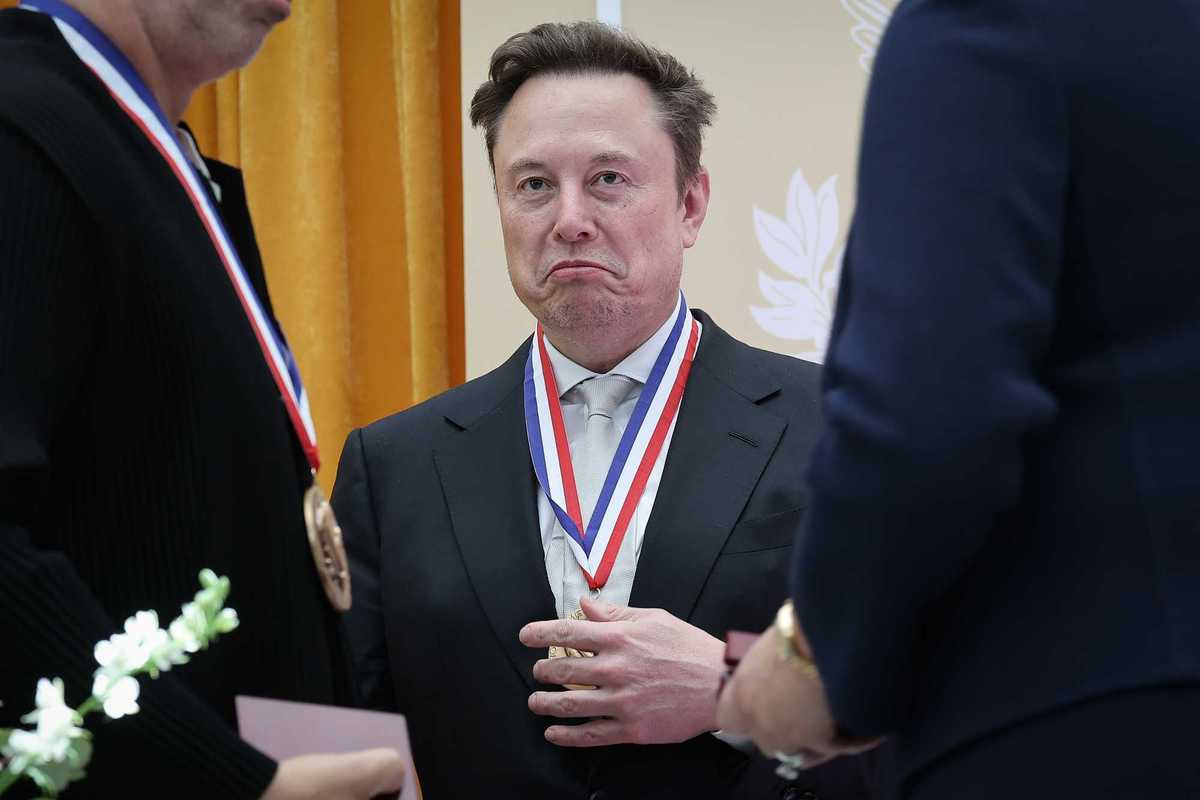
These laws have become a point of contention for Trump allies, such as South African-born billionaire Elon Musk, who claimed he was denied a license for his Starlink satellite internet service in South Africa because he is white.
 Farmers visit the Nampo agricultural fair, one of the largest in the southern hemisphere, near Bothaville, South Africa, May 15, 2025AP Photo/Jerome Delay
The government refutes this, stating Starlink can operate but must adhere to affirmative action regulations in that sector, which require previously disadvantaged groups to hold a minority stake in any local entities. The South African government notes that over 600 American companies currently operate in South Africa and comply with these regulations.
The South African government has previously stated that Afrikaners are free to emigrate to the US, just as other South Africans have sought opportunities abroad. However, the government maintains they should not be classified as refugees fleeing persecution.
"The assertion that white Afrikaners, in particular, endure systemic persecution is entirely without foundation," South African foreign ministry spokesperson Chrispin Phiri said in a statement to The Associated Press. Since the Afrikaner programme began last year, approximately 6,000 South Africans have relocated to the US, according to the US government.
Other Issues with South Africa The Trump administration's actions also reflect broader tensions with the South African government, particularly concerning its stance on the Israel-Palestinian conflict. South Africa, a long-standing supporter of the Palestinian cause, has accused close US ally Israel of genocide in Gaza at the United Nations' top court.
Israel vehemently denies these allegations, countering that the Hamas-led attack on 7 October 2023 was itself a genocidal act. The US has cited South Africa's position on this issue, alongside its diplomatic relations with Iran, as evidence of an anti-American foreign policy, a claim South Africa denies.