The Conversation (0)
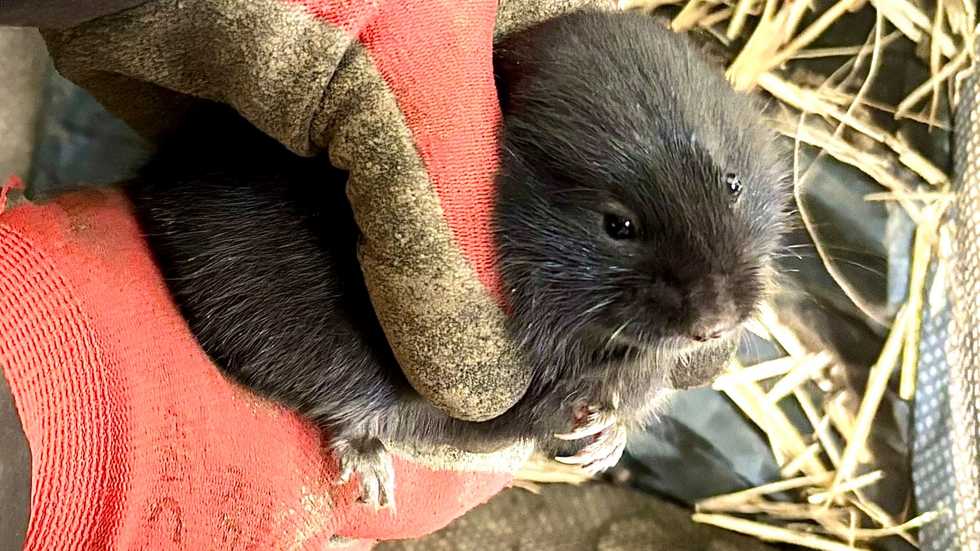
Fossorial water voles have been moved to another area of Glasgow (Scottish Water/PA)
Rare water voles which burrow underground in Glasgow have been relocated to a new area ahead of drainage work by Scottish Water.
Unlike other voles which generally live beside streams and rivers, the fossorial voles, first discovered in the city in 2008, live in grassy spaces in the urban environment.
They have adapted to dig like moles and burrow underground in parks and grassy areas around the East End of the city.
A specialist team of ecologists has now completed work to carefully trap and move the population from the Wellhouse area to a suitable habitat nearby, the location of which is being kept confidential.
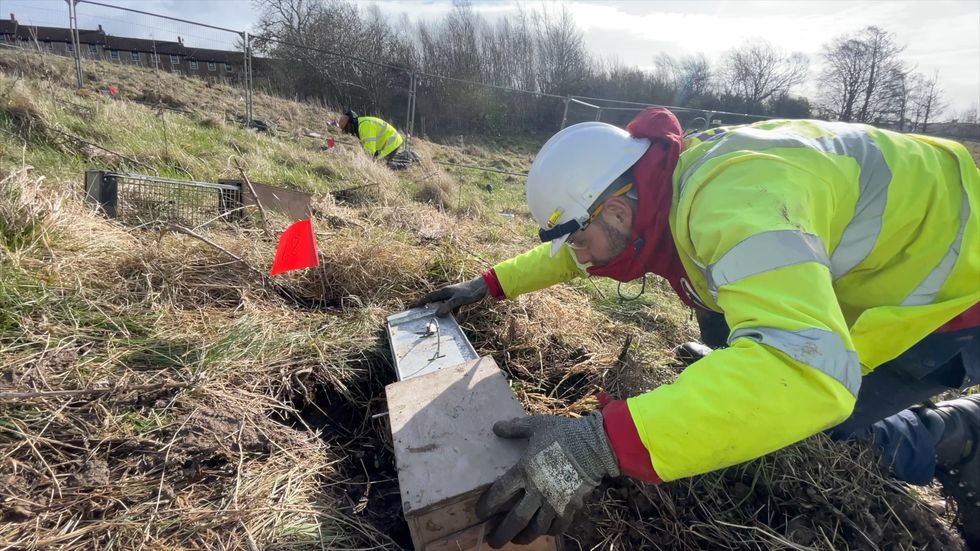 The voles were caught in special traps before being relocated (Scottish Water/PA)
The team used empty Pringle tubes to help catch the voles as they were just the right size to help funnel the creatures while encouraging them into crates.
The voles were moved in recent weeks ahead of work to construct a new Sustainable Urban Drainage System (SUDS) detention basin in the area.
Scottish Water’s alliance team manager Steven Greenhill said: “Scottish Water takes its role and responsibility to protect the local environment very seriously, which is why we’ve undertaken a very significant amount of work to ensure the protection of these very rare voles.
“Our thanks to all the partners involved for their knowledge and expertise in both trapping and relocating the voles safely.
“We are now working hard to deliver this important drainage project for our customers in Wellhouse.”
Scottish Water said the SUDS project will prevent as much rainwater entering the combined sewer network, reducing the risk of the system becoming overwhelmed during periods of heavy rain.
It said the scheme will deliver significant cost and carbon saving benefits — eliminating the need to pump and ultimately treat rainwater before it is returned to the environment.
Jenny Craig, environmental manager at Scottish Water, said: “This has been a real team effort spanning several years, and involving collaboration between Scottish Water, Glasgow City Council, NatureScot, the Seven Lochs Wetland Park and our ecologists at Tetra Tech.
“It’s a great example of all the work that is done in the background to support this essential project while also protecting the wildlife that makes Glasgow’s East End so special.”
The population of rare voles is said to be of national significance.
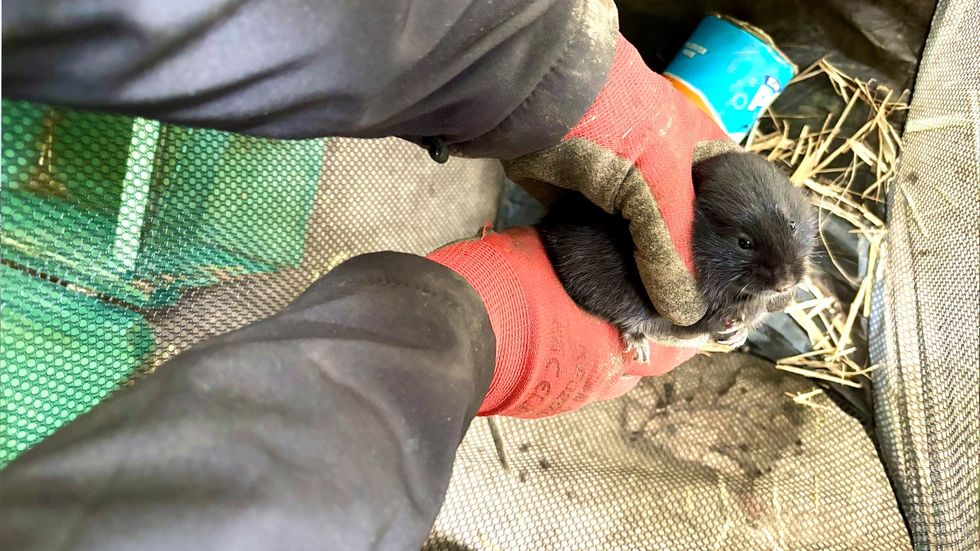 The team named one vole Paprika after being caught with the help of a Pringles tube (Scottish Water/PA)
Julia Ferguson, associate director of ecology at Tetra Tech, said: “Glasgow’s fossorial water voles are truly remarkable — they’re one of the few known populations in the UK to have adapted to living in urban grasslands away from water.
“We’ve been carefully trapping and relocating the voles to a suitable nearby habitat, and hope to see this new area act as an important connecting habitat for fragmented water vole colonies in the area.”
Scottish Water said the SUDS project plays a key part in enabling more social and affordable housing to be developed in the area.
The project is being delivered by Caledonia Water Alliance (CWA) on behalf of Scottish Water, and work is expected to be complete by summer next year.
Top 100