
The Conversation (0)
Kim Kardashian takes 'probably 35' supplements every day
Cover Media / VideoElephant
Every week a new wellness trend emerges, and forces us to rewrite what we thought we knew about health - and we'd all be lying if we didn't admit that social media can be a great tool for learning more about how to live better.
But, it can also prompt us to reconsider the information we're being fed, with peptides and mouth taping among the practices that have been brought into question.
Now, there's concern that extreme supplement stacking could be on the rise, with Kim Kardashian opening up on her own nutritional habits.
In a new appearance on 'Good Hang with Amy Poehler', the 45-year-old dialled in and shared that she takes “probably 35 supplements a day.”
“I spread them out three times a day,” she admitted.
The business mogul also revealed she sometimes gets "pill fatigue" and finds some tougher to take than others.
“I thought, ‘Okay, I can't do this fish oil anymore. I have pill fatigue. I have to stop these fish oil [supplements].’ And I got my bloodwork [done], and it was so evident that I stopped and I had to start again", she notes.
What's more, with Google searches for “how many supplements to take a day” are up by 66 per cent in the last 12 months alone, Kim's extreme stack has got health and nutrition professionals concerned.
'Supplement stacking' has become a common wellness trend which involves strategically taking different dietary supplements together to enhance effectiveness, based on your goals.
However, our bodies all process different vitamins differently, and you could be at risk of over-supplementing, interfering with medications, and overlapping ingredients.
Experts at Hunter & Gather are warning against the risks of extreme supplement stacking, noting that Google searches for “how many supplements to take a day” have increased by 66 per cent in the last 12 months.
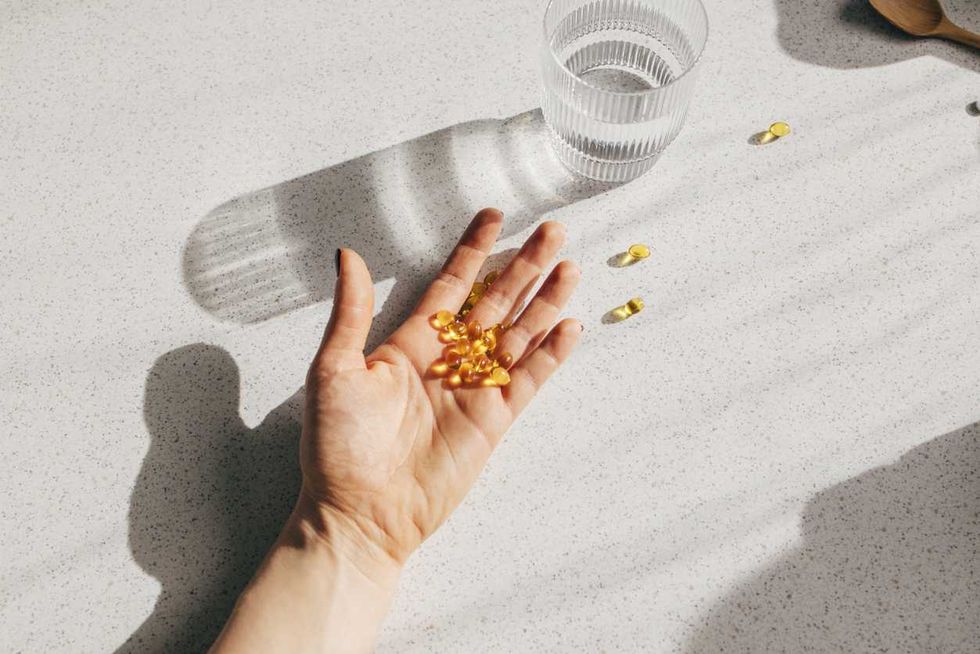 iStock
Pauline Cox, Director of Functional Nutrition, explains: “Taking 35 supplements per day might sound like peak wellness, but the reality is that more does not mean better. It’s concerning to see Kim Kardashian promote such excessive supplement routines.
"The volume of synthetic supplements and vitamins can be overwhelming, and overdoing it, known as supplement stacking, can be counterproductive and unhealthy."
She adds: "Dangerously high doses of isolated nutrients can lead to serious health complications, including liver strain and weakened bones.
"Ideally, we should get all our nutrition from real and whole foods. However, most people aren’t eating this way. Instead of adding more synthetic supplements to your routine, choose nutrient-dense, whole food foundations to help your body function optimally."
Here's how you should approach your own supplement stack...
1. Identify where you may need support
"It’s easy to assume that taking a range of supplements and vitamins is beneficial, but it can actually have the reverse effect", says Pauline.
"Identify areas where you may need a boost, whether that’s energy levels, digestive health, focus, immunity, or hormones.
"If your diet lacks nutrient-dense organ meats, a whole food organ supplement is a natural way to support energy and healthy ageing, making it easy to incorporate without overcomplicating your routine."
 Pexels
2. Assess your diet
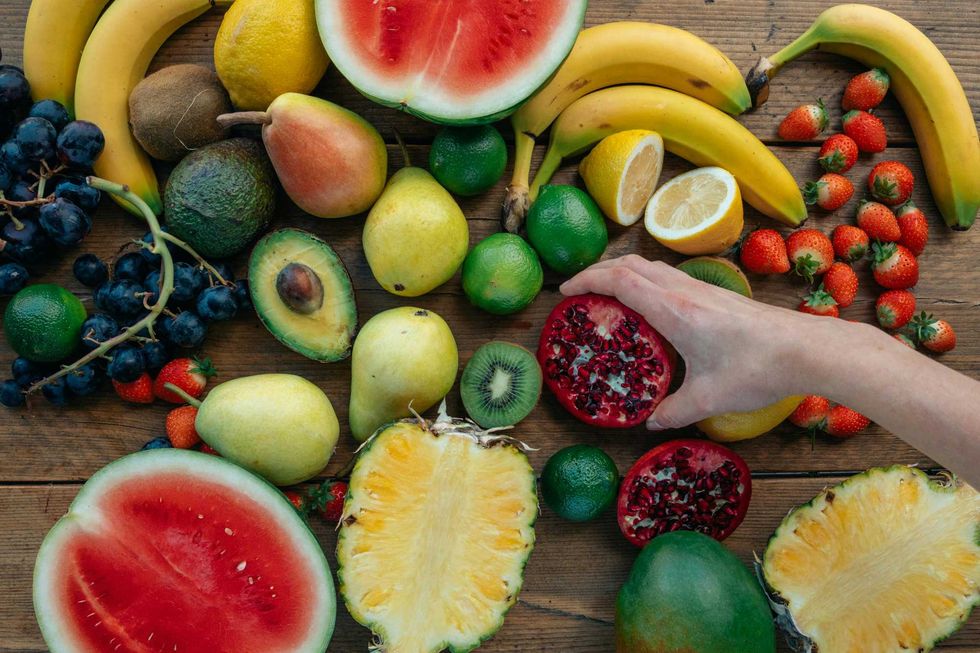
"A healthy, nutritious diet is the most effective way to fill nutritional gaps by eating whole foods, fruits, vegetables, healthy fats and lean proteins", Pauline notes.
"When busy lifestyles make cooking difficult, convenient, real-food alternatives, such as bone broth, can help get essential nutrients.
"Bone broth naturally provides collagen, amino acids, electrolytes, glucosamine and chondroitin, supporting gut health, joint mobility, skin health, immune function and hydration."
3. Prioritise overall health
"Before buying supplements that are trending online, focus on improving overall health", Pauline concludes.
"A balanced, nutrient-dense diet, protein intake, regular exercise, and good quality sleep can have a massive impact.
"If you suspect you have a nutrient deficiency, visit a healthcare professional for a blood test, an accurate diagnosis and appropriate treatment.”
 Why not read...
World-leading biohacker Gary Brecka on the longevity myth he wishes we’d stop believing
Sign up to our free indy100 weekly newsletter
Top 100