The Conversation (0)
Can An Air Purifier Help During Wildfire Season?
unbranded - Lifestyle / VideoElephant
We know that sleep, diet, and less screen time are all big contributing factors when it comes to getting our brains in shape.
However, a new study suggests that what's in our homes could also be playing a big role - and not just in the short-term.
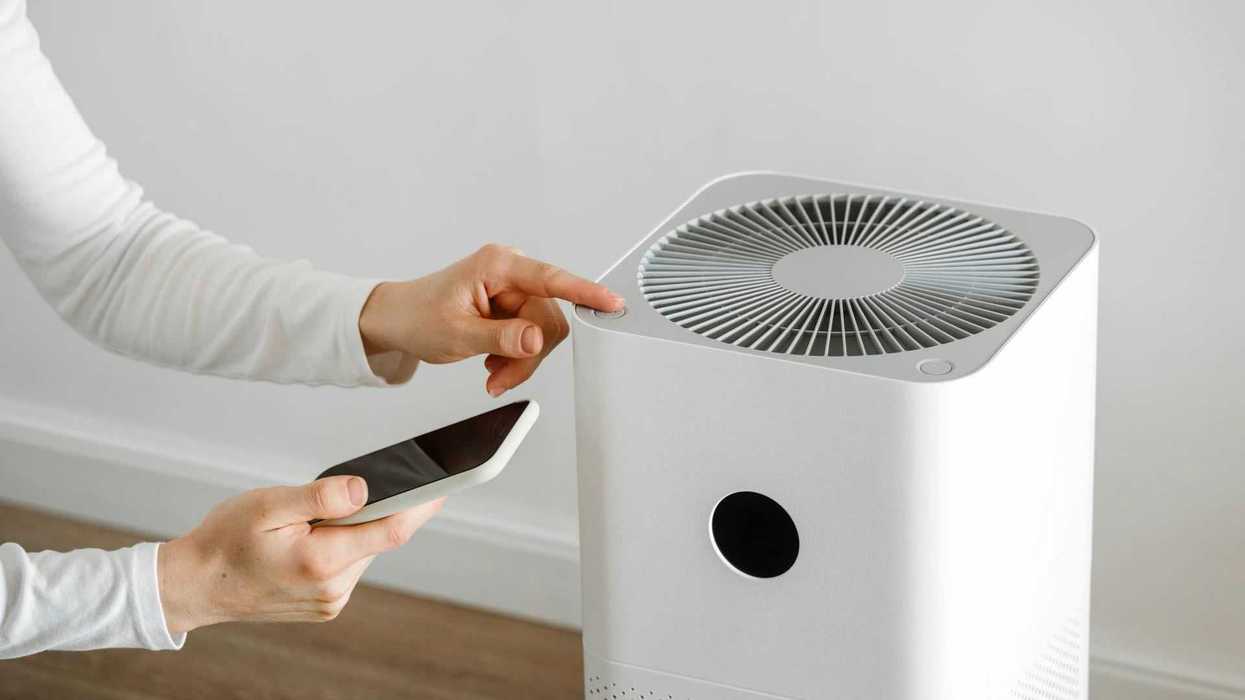
HEPA (or high efficiency particulate air) purifiers are surging in popularity, thanks to public concern around airborne viruses, wildfires, pollution, seasonal allergies, and asthma triggers such as dust. By the early 2030s, it's an industry set to be worth almost $10 billion.
While they were once viewed as a luxury, our ever-changing environment and emerging research has cemented them as more of a necessity than ever before. Studies suggest that exposure to particulate matter has been connected to respiratory and cardiovascular illnesses as well as neurological diseases such as Alzheimer’s and Parkinson’s - so it's kind of a big deal.
What's more, we're now experiencing major exposure to pollution, heavy metals, and microplastics in our day-to-day lives, which can increase the risk of brain inflammation and stress to the cells, harming the blood vessels that supply it. The longer we're immersed in these kinds of environments, the more difficult it can be for our bodies to repair the damage.
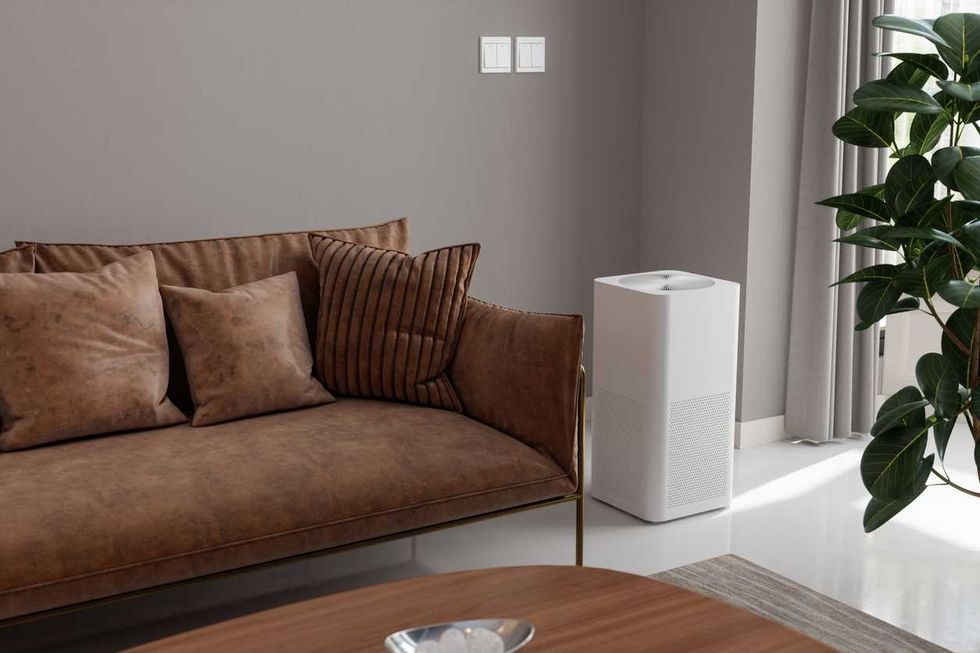 iStock
While they work quietly in the background of your home cleaning the air (and look pretty chic doing it), a new study from Scientific Reports and The Conversation may have just given us even more reason to make the investment into an air purifier sooner rather than later.
The study focused on 119 people ages 30 to 74 living in Somerville, Massachusetts, USA. Somerville sits along Interstate 93 and Route 28 - two major highways - resulting in relatively high levels of traffic-related air pollution. In this case, it makes for the perfect spot to test the true impact of having an air purifier.
The participants were randomly divided into two groups; one group was given a HEPA purifier for one month, while the others got a dud version which looked and acted like the real thing, but wasn't cleaning the air.
Following a month long break in between, the groups then swapped purifiers for a second month of study.
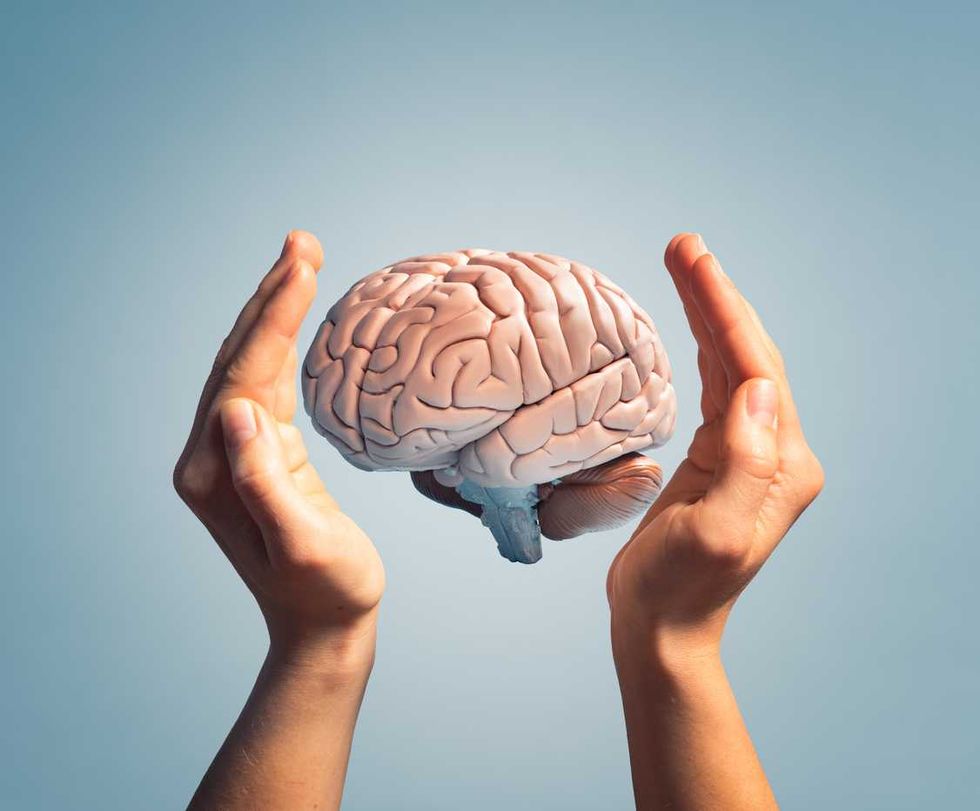
Between the changeovers, participants would take a series of tests that analysed their mental capacity, from visual memory to motor skills.
 iStock
The results concluded that those 40 years old and older could complete the tests almost 12 per cent faster after using the real HEPA purifier for one month (even when lifestyle stressors were taken into account) - on a cognitive function level, that's around the same impact as doing exercise.
A recent statement from Heart also affirmed that a lifetime of social and lifestyle factors shape our future cognition, rather than just simply genetics.
While the next step in this particular study involves longer-term research to see the impact of purifiers over time, this promising outcome only strengthens the hypothesis that air quality really does matter when it comes to brain health; and that what we breathe in could impact our rate of cognitive decline as we get older.
80-year-old us might just thank us later for this one.
Why not read...
You’re about to notice your hair shedding more often - here’s why
Blue Zones: 5 key foods eaten in Sardinia for longevity to add to your diet
Sign up for our free Indy100 weekly newsletter
Top 100