The Conversation (0)
Rosemary Oil Can Make Your Hair So Much Healthier
unbranded - Lifestyle / VideoElephant
If you're someone that battles humidity hair, brittle breakage, or salt water texture, you're probably relieved to remember that summer is nearly over.
But, don't get excited too soon, because you just might notice your tresses acting up in a slightly different way as we gradually move into the autumn months. Can we catch a break?
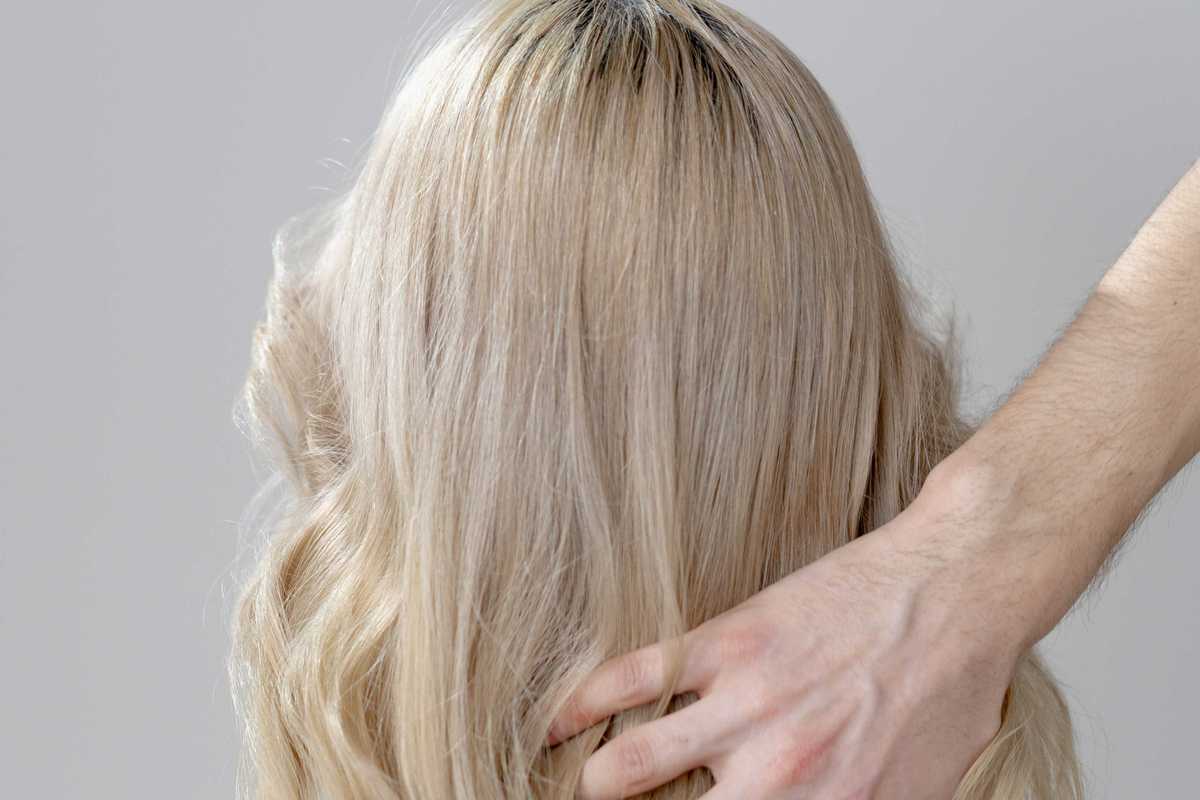
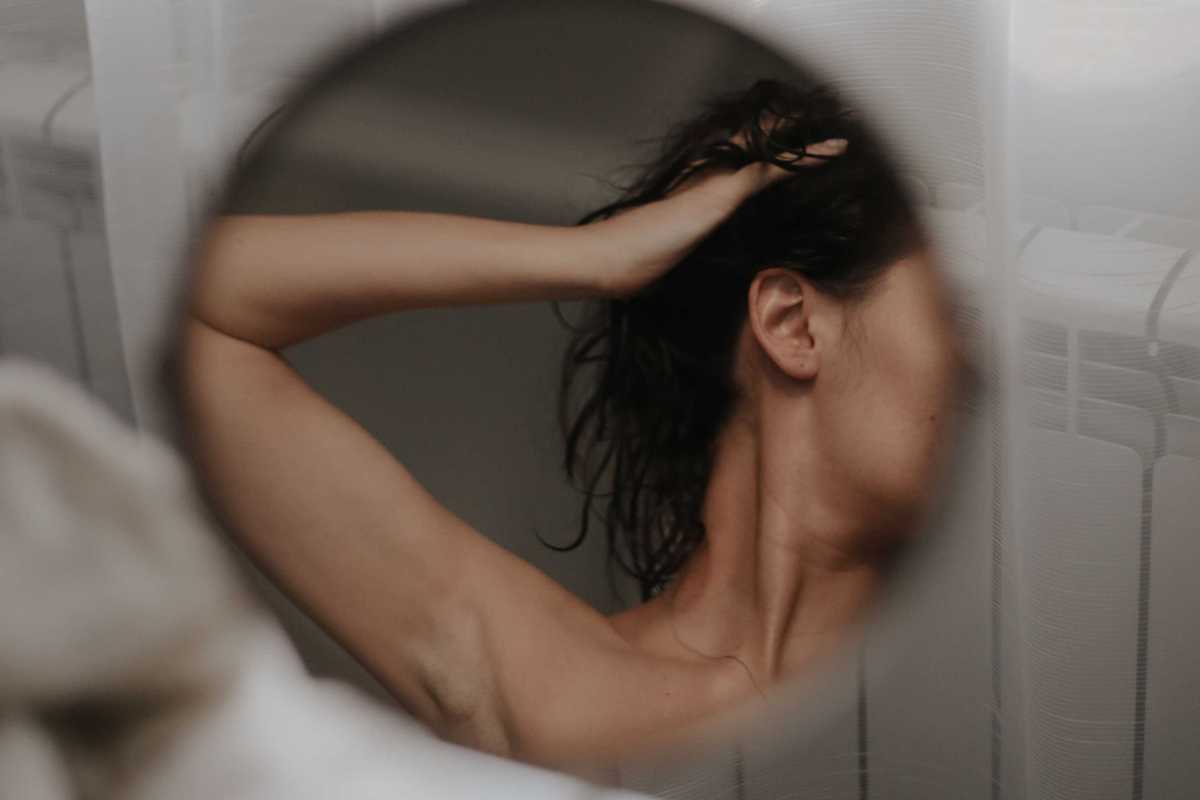
In fact, the next few weeks are peak season for hair shedding, and you could start to see more hair fall than you're used to next time you hop in the shower or give it a good brush.
However - panic not - it's actually completely normal, and something we're all going to be up against. What's more, it's definitely not permanent, and there's plenty we can be doing ourselves to be in the best possible position for the inevitable.
"Hair shedding is a normal part of the hair growth cycle", explains consultant dermatologist and founder of Rhute, Dr Adel.
 Pexels
"Each follicle on the scalp works independently, spending a long period actively growing, then goes through a short resting period, after which the old hair is released so anew one can grow in its place.
"The hair lost during washing or brushing has usually completed its cycle weeks or months earlier and is simply being shed to make way for new growth."
You may already be familiar with the lifecycle of your hair: growth, rest, shed. However, did you know summer adds an extra layer to the mix that makes your autumnal hair fall feel even more poignant?
"There appears to be a seasonal rhythm to shedding, and many people notice an increase in late summer and into autumn", Dr Adel notes, adding that losing 50-100 hairs each day would be considered standard on any given day.
"The leading explanation is that a greater proportion of hairs are retained during the summer months, possibly as a protective response to sun exposure, and these hairs then reach the end of their resting phase at a similar time."
That means that the hair loss we experience after summer can feel a little more dramatic than usual, not least when paired with environmental factors like dry, fragile strands that have been up against the August heat, sweat, and chlorine, to name but a few.
Other factors that come into play include the depletion of our Vitamin D levels after summer as the dark nights draw nearer, and seasonal hormone changes, including melatonin regulation.
 Pexels
Dr Adel adds: "Visible loss can feel as though something is seriously wrong. There is also a tendency to monitor it more closely once it has been noticed - checking the drain or the brush repeatedly, which can make the shedding feel more dramatic than it is.
"This heightened attention, combined with the way lost hair collects in one place, often makes a temporary and self-limiting shed feel far more significant."
But, if you're seeing bald patches or prolonged periods of thinning it's worth noting that it could be a sign that something else beyond the seasonal shed is at play.
So, what can we do about it when the time comes?
Well, there isn't a way to switch the seasonal shed off. The follicles have already made their decision a few months earlier. What you can do is make sure your scalp is in the best possible shape for the regrowth phase that follows, and avoid stacking other shedding triggers on top of the seasonal one.
Cortisol-driven inflammation and barrier disruption from summer sun exposure can quietly layer with the seasonal shed and slow regrowth.
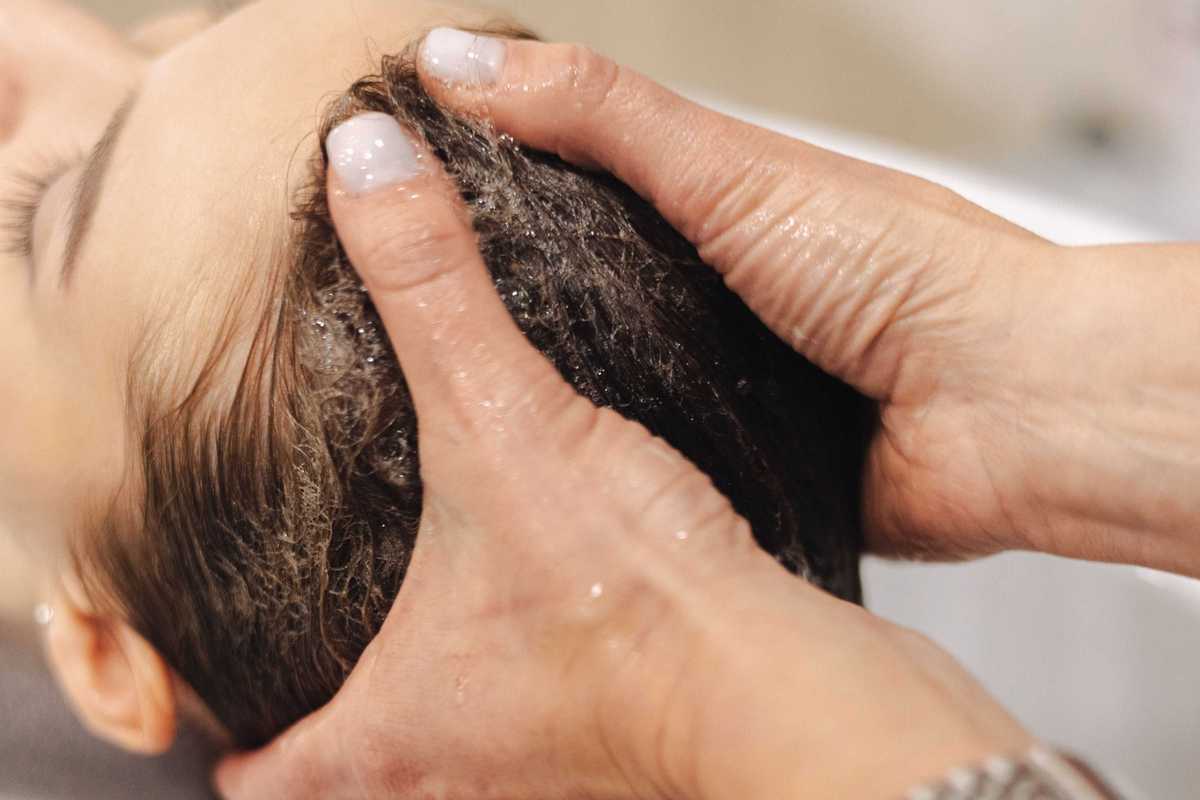
Topical actives with good evidence for increased scalp health include ceramides (lipid molecules that reinforce your skin barrier), niacinamide (vitamin B3, anti-inflammatory and barrier-supporting), panthenol (a B vitamin derivative that helps hydration), and caffeine, which has been studied for its effects on follicle activity at the scalp level.
 Pexels
"Much of what supports healthy hair is straightforward", notes Dr Adel.
"Eating enough overall, with sufficient protein is important, as hair is one of the first things the body deprioritises when nutrition is lacking.
"Keeping iron levels adequate matters too, particularly for those with heavy periods or limited red meat intake. Good sleep and managing stress both support the hair cycle directly. Gentle handling also helps, so it is best to avoid consistently tight styles, limit high heat and harsh chemical treatments, and avoid aggressive brushing when the hair is wet and more fragile.
"Finally, it helps to give any change time, since the hair growing today reflects how the body was nourished and feeling several months ago."
Why not read...
I’ve spent 6 months perfecting my seasonal hair shedding routine - here’s what actually works
I’ve just discovered Kendall Jenner’s favourite SPF - and it’s a K-beauty favourite
Sign up to our free indy100 weekly newsletter
Top 100