
The Conversation (0)
Unveiling the Skin Advantages of Chia Seeds
WooGlobe - Buzzline - Vertical / VideoElephant
There's been a big shift in skincare this year.
It's no longer just about the products we're putting on our skin, but how we're building the foundations on the inside, too.
A polished exterior always starts with a good interior, and interest has been piqued in how the foods we eat affect our skin quality and health over time - so much so that searches for 'food for skin health' are up 400 per cent, and TikTok's 'eat your skincare' trend is still having its moment.
But it doesn't have to be about fancy gut health powders or completely overhauling how you eat - rather, just adding more of what works into an already-balanced diet.
And now, experts have shared that there's one colour on their mind this summer that we could all use a little more of: red.
“Red coloured foods are an incredibly underrated tool when it comes to optimising skin health and vitality at any life stage", says Stephanie Baker, ANutr registered nutritionist, in partnership with SpaSeekers.
"Their vibrant colour comes from powerful plant compounds like lycopene, anthocyanins and betalains, which help protect skin cells from oxidative stress, support collagen production, and calm inflammation.”
 Pexels
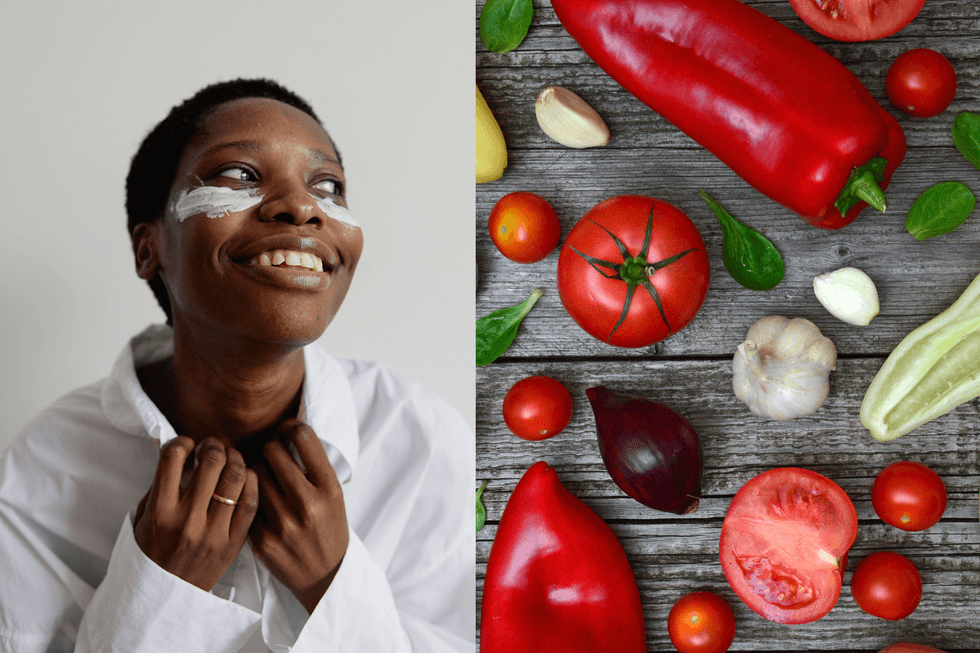
Raw diets are often praised on social media. However, cooking some foods can actually boost their benefits.
Stephanie notes, “How you prepare fruit and vegetables can make a real difference to how much of their skin-loving nutrients your body absorbs.”
She explains why tomatoes are one of the best examples: “Cooking them breaks down the plant cell walls, making lycopene much more bioavailable, especially when they're cooked with a healthy fat like olive oil because lycopene is fat-soluble. Tomato sauce, passata and roasted tomatoes can actually provide more absorbable lycopene than raw tomatoes.”
However, some are still best enjoyed without cooking: “Vitamin C is sensitive to heat, so foods like red peppers, berries and blood oranges are best enjoyed raw or lightly cooked to preserve as much of the collagen-boosting vitamin as possible.”
So, just how much red food should we be eating?
Stephanie states it’s quality over quantity when it comes to seeing the benefits. She recommends five portions of fruit and vegetables a day, with one or two of those coming from red produce. Whether it’s a handful of berries (80g), one medium tomato or a few tablespoons of cooked tomato sauce, half a red pepper, a slice of watermelon or a small serving of beetroot.
Carotenoids such as lycopene gradually build up in the skin over several weeks, so most people shouldn't expect overnight changes", she caveats. "Most people will notice improvements in skin radiance and hydration within 4–8 weeks, while changes related to collagen support are more likely to become noticeable over 2–3 months.”
 Pexels
What's more, when paired with a solid skincare routine, the pair can work in absolute harmony for the best results.
“Diet isn't a replacement for good skincare. It is, however, the foundation that healthy skin is built on", Stephanie adds.
“A good rule of thumb is to view skincare’s effects from the outside in, targeting concerns like pigmentation, sun damage and fine lines, while nutrition works from the inside out, providing the raw materials your skin cells need to function, repair and regenerate.”
Maddie Evans, spa therapist, and skincare expert at SpaSeekers echoes a similar sentiment, adding: "Look for both foods and skincare products that support your skin needs; for example, if you want to improve skin firmness and reduce inflammation, pair the benefits of tomatoes in your diet with a collagen-rich moisturiser and azelaic acid for redness."
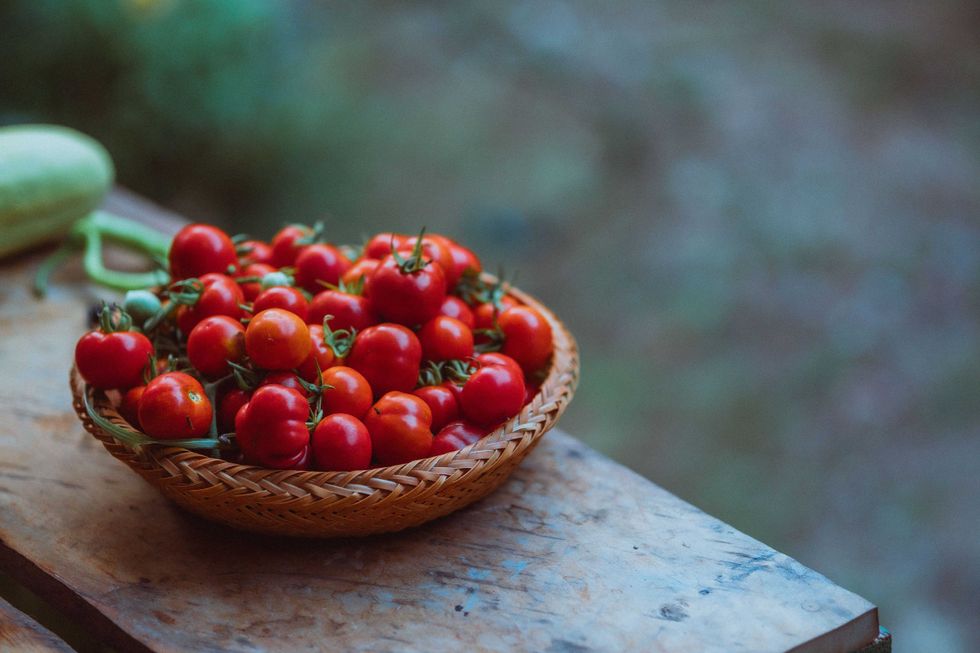
Here are five red foods you should be adding to your diet to supercharge your skincare...Tomatoes
“Tomatoes offer the biggest benefits for skin health. Rich in lycopene, a powerful antioxidant that helps protect skin cells from UV-induced oxidative damage and supports a smoother, more even complexion.”
 Pexels
Red peppers
“Red peppers are one of the richest sources of vitamin C, which is a key nutrient for collagen production, wound healing and maintaining skin firmness.”
Berries
“Berries, particularly strawberries and blueberries, are bursting with anthocyanins and vitamin C, helping to reduce inflammation and protect collagen from premature breakdown.”
Pomegranate
“Pomegranate stands out for its unique punicalagins and ellagic acid, polyphenols that help combat free radicals, support skin hydration and may even aid skin repair.”
 Pexels
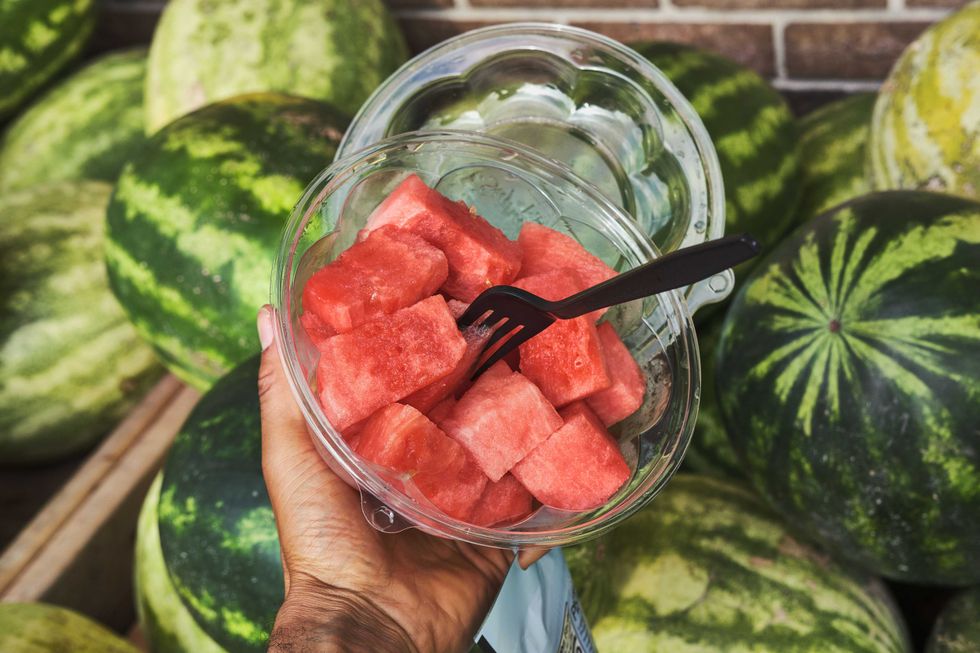
Watermelon
“Watermelon is a fruit that truly deserves a mention. Not only does it provide hydrating water content, a must-have for skin, but it is also another excellent source of lycopene, making it a fantastic summer food for summer skin.”
When it comes to choosing your red fruit and vegetables, Stephanie notes to “opt for the richest and most vibrant skin when it comes to choosing your red produce. The deeper the pigment, the more potent the antioxidant property, further supporting all of those wonderful skin benefits.”
Red may just officially be the colour of the summer.
Why not read...
Blue Zones: 5 key foods eaten by Okinawans for longevity to add to your diet
I spent a week at the world’s most exclusive longevity retreat loved by A-listers
Sign up for our free Indy100 weekly newsletter
Top 100