
The Conversation (0)
5 Longevity-Boosting Foods From Blue Zones You Should Be Eating
unbranded - Lifestyle / VideoElephant
You may think 'longevity' is the buzzword of the moment, but its very foundations aren't a new concept at all - and explains why the world's five Blue Zones have become the blueprint of living better for longer.
In fact, they're reaching age 100 at 10 times greater rates than in the United States.
Named as Okinawa (Japan), Sardinia (Italy), Ikaria (Greece), Nicoya (Costa Rica), and Loma Linda (California), there are a few core principles that are consistent across them all, whether that's a sense of community, movement and time spent outdoors, or a diet free from ultra-processed foods.
But among them, each Blue Zone has its own unique identity.
 iStock
Once called the 'Land of the Immortals', Okinawa is home to some of the oldest living women on the planet, and boasts less cancer, heart disease, and dementia rates than the USA.
Their culture is built largely on traditions. According to the Okinawa Centenarian Study (OCS), one of those is having a 'moai' - a group of five to 10 lifelong friends that you support into old age, helping maintain strong social bonds.
Another is 'ikigai' - simplified as a good reason to get out of bed in the morning, giving people a sense of purpose, even in later life.
While the idea of living to 100 gives us all something to strive for, there's no reason why we can't start implementing a little more Okinawan in our own day-to-day lives, whether through moving more, making time to see friends, or drawing kitchen inspiration from the delicious, nutrient-packed delicacies that fuel them.
Their diets consist of high levels of fruits and vegetables, fermented foods, and surprisingly, high carbs, while keeping fat consumption low.
Here are 5 longevity foods loved by Okinawans to consider adding to your diet...
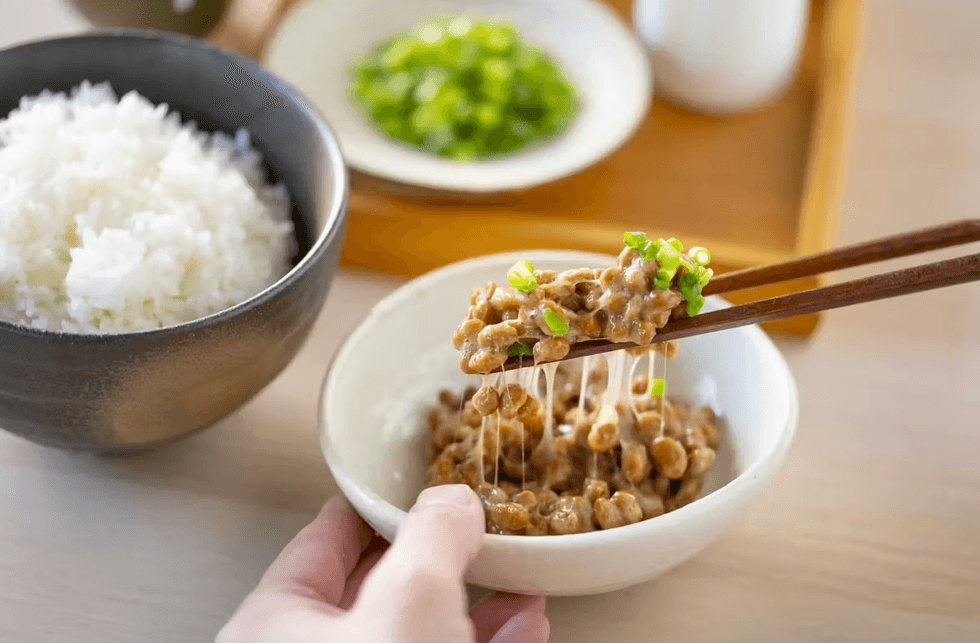
Natto
 iStock
A traditional breakfast derived from fermented soy beans, natto is very much currently having its moment in the spotlight.
It's thought the dish is a result of accidental fermentation around 1,000 years ago - with legend suggesting that Samurai Lord Minamoto no Yoshiie and his troops were boiling soybeans to feed their horses in 1083 AD, when they were forced to pack them into rice straw bundles as a sudden attack came.
Days later, they found that the beans had turned into a sticky, umami meal they could all benefit from.
Scientists went on to develop the bacterium from the straw, Bacillus subtili, in a lab, so that the dish could be made on a bigger (and more hygienic) scale for years to come.
If it's the health properties you're drawn to, however, it's low calorie and rich in vital minerals including iron, copper, vitamin K, magnesium, potassium, selenium, zinc, vitamin C and calcium.
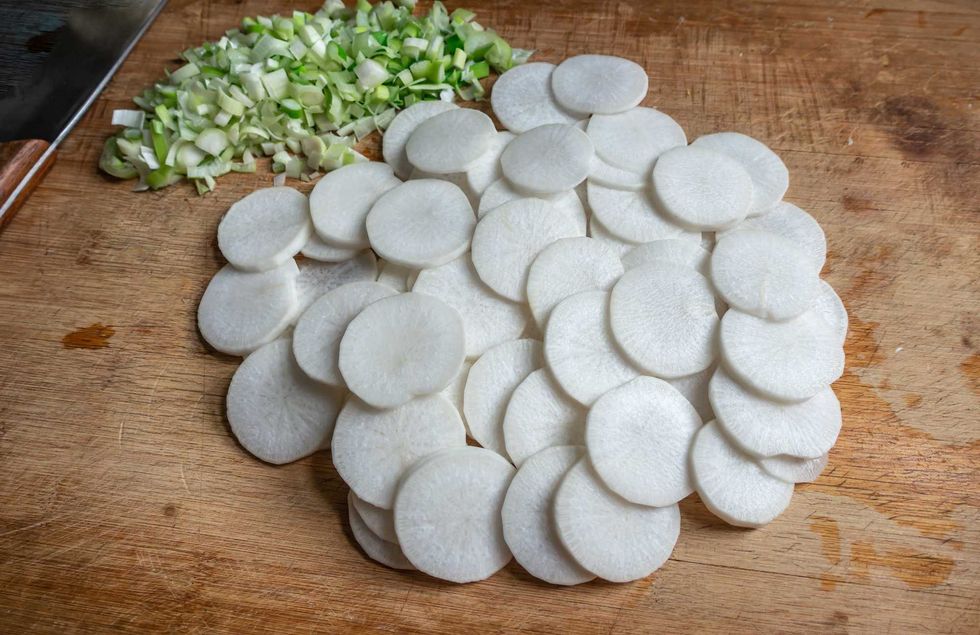
Daikon
 iStock
A staple of Japanese cuisine, daikon is a mild, crisp white radish prized for both its delicate flavour and impressive nutritional profile. Naturally high in fibre, it supports healthy digestion, promotes fullness to aid weight management, and provides a generous source of vitamin C to help maintain a healthy immune system.
Daikon is also rich in glucosinolates - naturally occurring plant compounds that support normal liver function and the body's natural detoxification processes. Low in calories yet packed with nutrients, it's a versatile ingredient that can be enjoyed raw in fresh salads, fermented into kimchi or pickles, added to soups and stir-fries, or spiralised as a light, refreshing alternative to noodles. Its subtle peppery flavour makes it an easy addition to a wide variety of dishes while delivering a powerful nutritional boost.
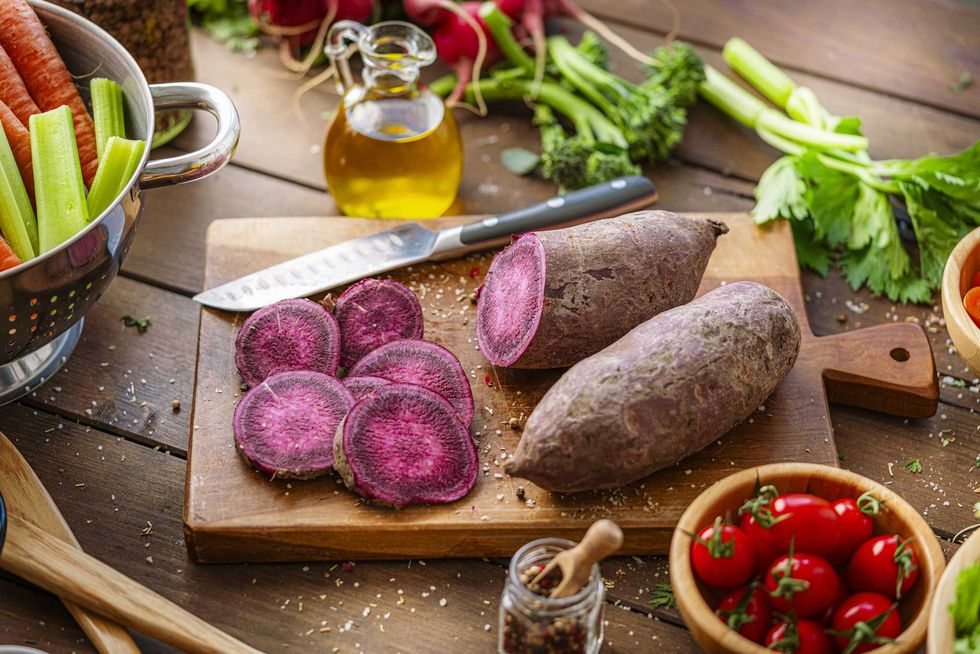
Purple Sweet Potato
 iStock
67 per cent of an Okinawan diet is made up of sweet potatoes, thanks to their versatility and availability in the region (they were a staple during famines in generations past), as well as their powerful longevity benefits.
While the orange sweet potatoes we know and love have their own wide-ranging health benefits, purple sweet potatoes are particularly popular in Okinawa specifically.
They contain 150 per cent more antioxidants than blueberries, which makes them a powerful health-preserving superfood, and their colour comes from beta-carotene, another powerful antioxidant that helps immune function.
Just like a regular sweet potato, they can be mashed, roasted, or boiled as part of a delicious dinner.
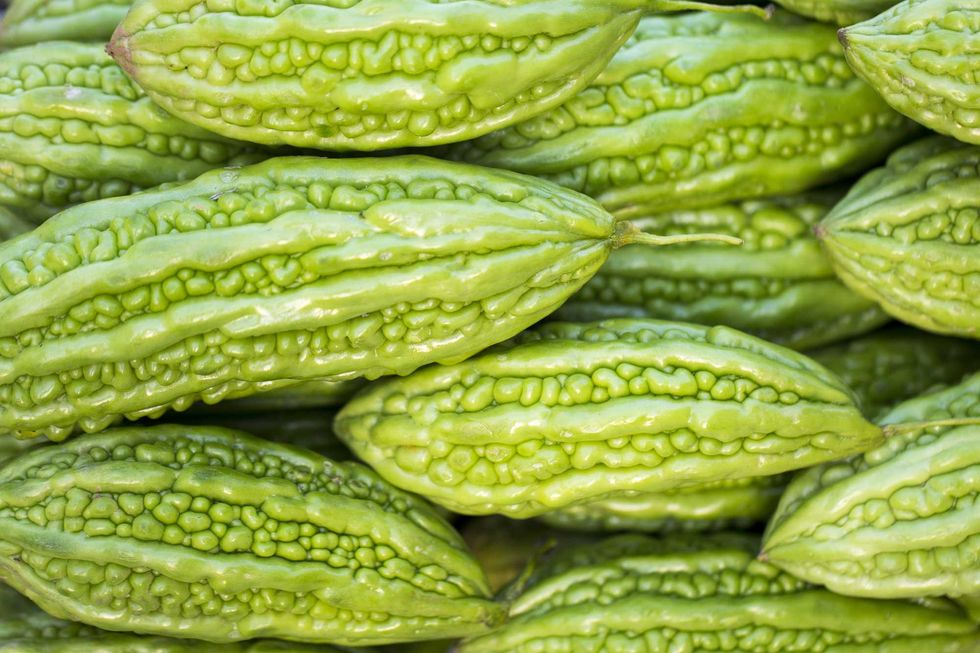
Bittermelon (Goya)
 iStock
Unless you've been to Japan, you've probably never even heard of bittermelon.
Despite its otherworldly appearance, it's highly sought-after - whether being used as a palate cleanser, for its wellness perks, or ability to go with literally everything (or goya champuru, as they call it).
In other parts of the world, it's most commonly found in supplements, but in Okinawa, it's eaten with chicken, broths, or stir fry.
This fibre-rich veggie contains high levels of Vitamin C - essential for disease prevention, wound healing, and keeping strong, healthy bones.
Studies also suggest it could be essential for secreting insulin, with one research trial suggesting 2,000 mg of bittermelon daily decreased hemoglobin A1C levels over 12 weeks for those with diabetes.
However, it's advised to only eat it in small quantities to prevent unwanted side effects, which reportedly range from stomach upset, to headaches; and it's not advisable for children.
Seaweed
 iStock
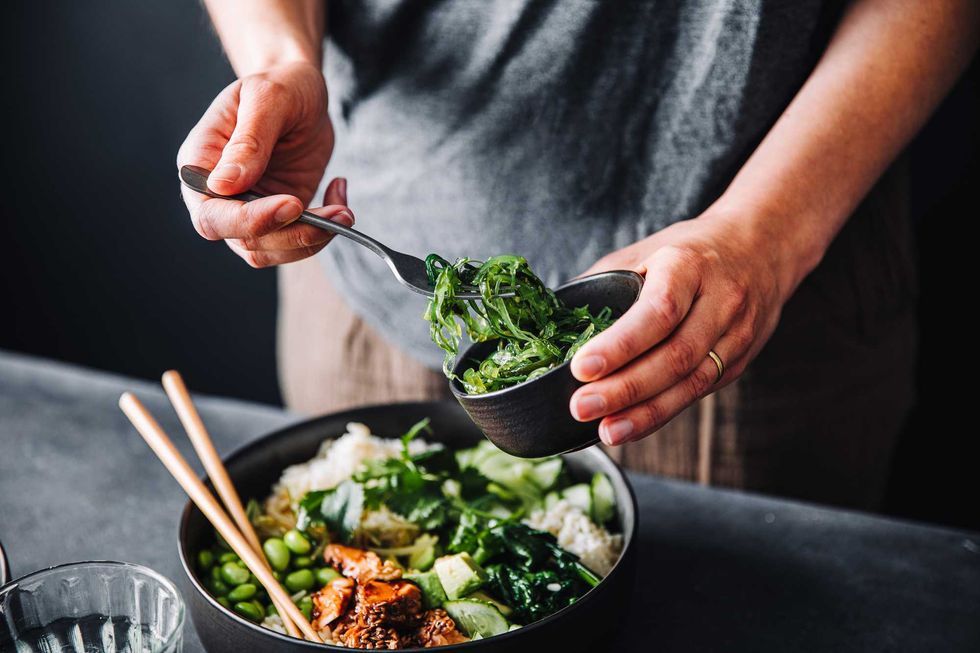
Seaweed has become synonymous with Eastern Asian cuisine, but it packs a punch when it comes to health too.
It's a key ingredient in dishes such as sushi, salads, and soups - and a little goes a long way when it comes to nutritional ROI.
Seaweed is packed with concentrated iodine from the ocean, which in turn can help with thyroid function and hormonal health.
In addition to small amounts of vitamins A, C, E, and K, along with folate, zinc, sodium, calcium, and magnesium, it's also rich in antioxidants that help protect your body against free radicals - unstable molecules that damage your body's cells and can increase your risk of developing chronic conditions.
Adding seaweed to your meal plan once or twice per week can be enough to reap the benefits, and feel a little more Okinawan along the way.
Why not read...
I spent a week at the world’s most exclusive longevity retreat loved by A-listers
Blue Zones: 5 key foods eaten by Ikarians for longevity to add to your diet
Sign up for our free Indy100 weekly newsletter
Top 100