The Conversation (0)
Getty/iStock
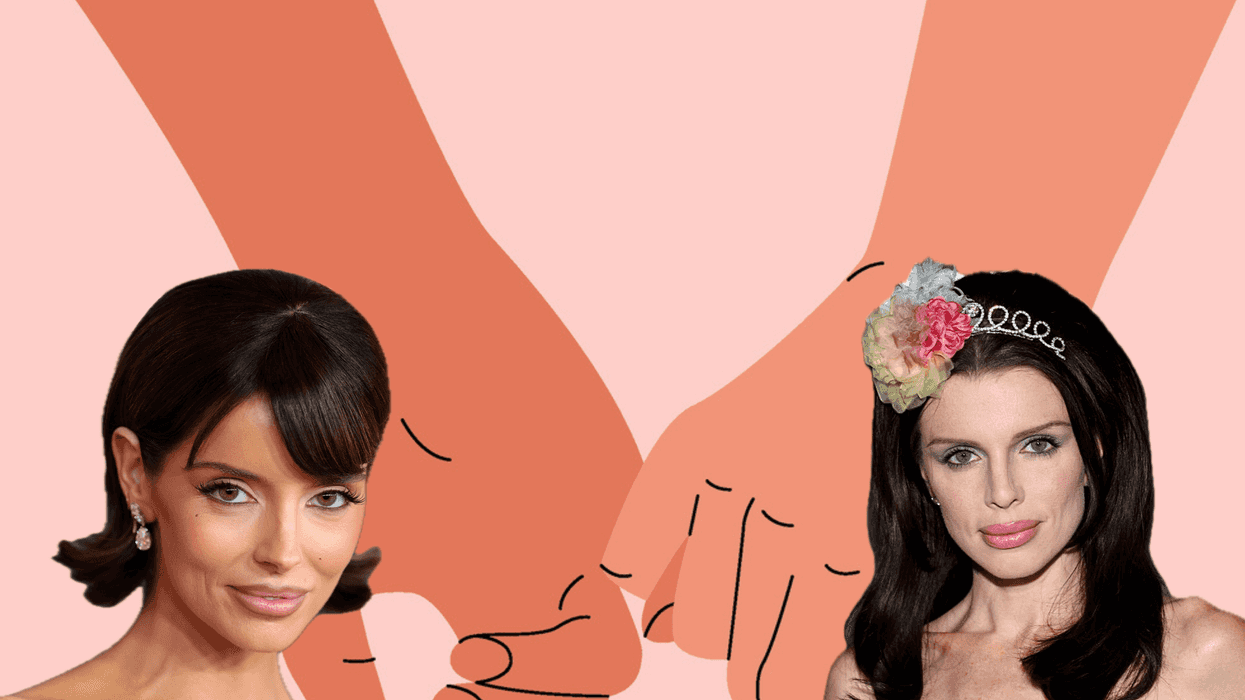
“The trenches” is often a term used to describe the state of modern relationships.
Not coyly slipping your number across a bar to the person you’ve been making eyes at all evening; not curated, well-thought out date nights hand-picked straight from a rom-com, or running away into the sunset - but rather, situationships, soft-launches, and a whole lot of ghosting. A recession, if you will.
Now, a growing number of singles are taking on a counterculture in a bid to escape it: Opting out of connection all together.
Roughly one in six women now consider themselves to be voluntarily celibate (as opposed to one in 10 men). That means no dating, no sex, and definitely no torturing yourself after not getting that text back - but this time, by choice.
Being the friend who doesn’t get around might finally be on the cusp of cool.
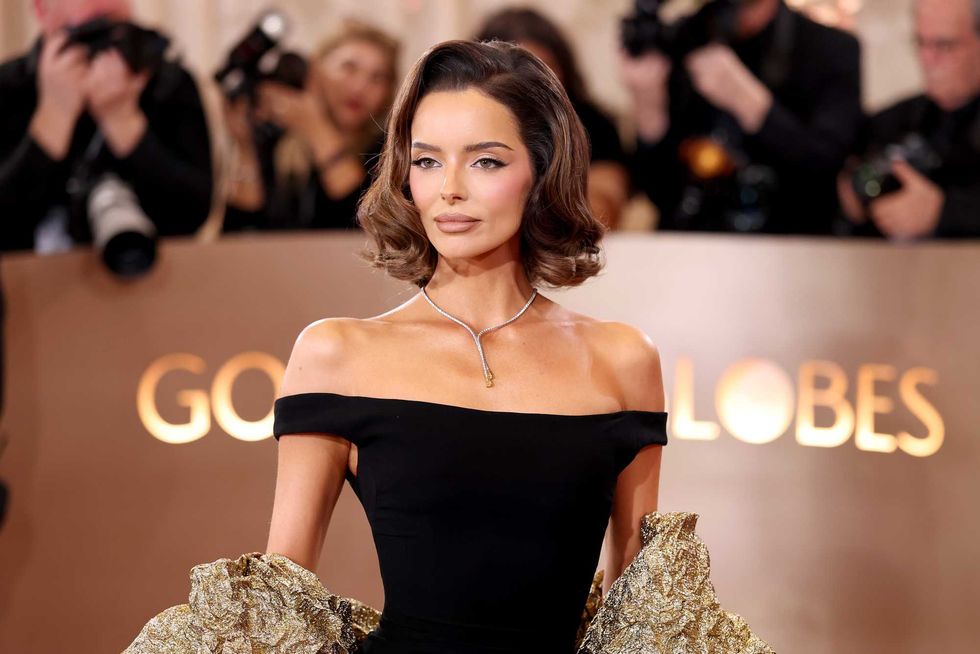
Most recently, former Love Island star-turned-TV personality Maura Higgins opened up to US Weekly about choosing celibacy for herself, despite her love life being no stranger to cameras.
 Getty
Getty
“I’ve been celibate for like a year and a half now, which is great”, she says in the now-viral clip, which has reopened an ever-growing debate.
“I feel great, I’m like a new woman”, the 35-year-old continues. “[I’m] not dating, not even speaking to anyone - I don’t have time for it - even if I wanted it…which I don’t, by the way.”
Maura was brought onto the ITV dating show in 2019 as a ‘bombshell’ - a contestant that joins later than the original lineup as a ‘test’ for the already-formed bonds.
Quickly earning the title as one of the show’s hot commodities, the now it-girl’s rejection of romance wasn’t on anyone’s bingo card.
In a world where a woman who, on paper, can attract anyone of her choosing, is instead choosing herself, it opens a bigger conversation around compatibility fatigue.
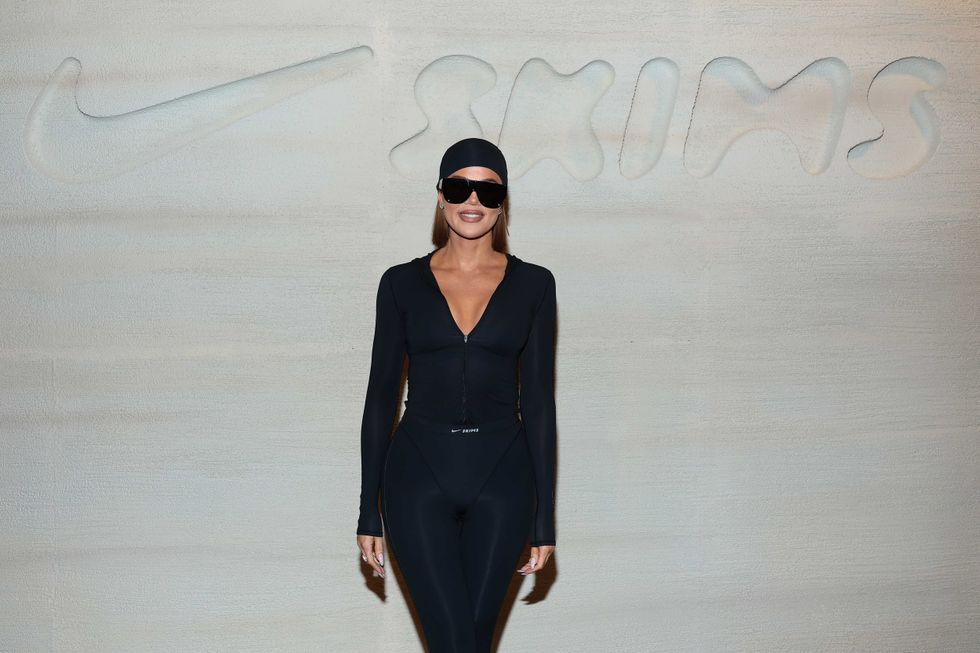
Other high-profile names who have detailed their own shunning of intimacy include Khloe Kardashian, who recently marked four years of celibacy after splitting from Tristan Thompson in 2021.
“Once I really was working on myself, I didn’t have the energy to date anyone else”, she told Elle in December 2025. “Now, no one is even worth my time. My kids are my priority. Other than that, I want to lie in bed and watch TV if I have free time and I don’t want to share it with someone else.”
 Getty
Getty
Meanwhile, Julia Fox, who has previously been linked to Kanye West, similarly confessed to Glamour: “I just can’t find anyone that I want to f***. That’s really what’s happening right now, and it’s a big problem – and I think a lot of women feel that way” - marking her own 2.5-year journey with abstinence.
A once-taboo topic, it’s now broken free from the sacred walls of WhatsApp group chat confessionals, becoming something of a badge of honour.
“Dating and sexual relationships are distracting to people”, says Relationship, Sex and Dating Therapist Georgina Vass of how it has become so popularised, noting that those “lack of distractions” often lead to “personal growth, self-discovery, and general emotional well-being.”
That being said, despite its A-list backing, it’s a movement still very much in its infancy.
In 2024, dating app Bumble helped propel the debate around it into the mainstream with a billboard campaign that read: “A vow of celibacy is not the answer”, poking fun at the new era of daters ditching societal norms in favour of personal peace.
While the company said the ads were supposed to bring humour to "a community frustrated by modern dating", many felt it undermined their feat of empowerment, forcing Bumble to issue an apology.
The celibacy movement is marking a shift that proves no matter how endearing a potential match might be on the surface - for some, the reward is no longer worth the risk.
 iStock
However, it's thought that on average, women find celibacy more satisfying than men.
“Modern dating, particularly app based dating, can be an enormously draining experience”, argues Steven Buchwald from Manhattan Mental Health Counseling.
“The emotional labour involved, the constant evaluation, the vulnerability required, the frequency of disappointing or even harmful experiences - all of that takes a real toll.
“For some, stepping back from it entirely is not giving up, it is a form of self protection and self respect.”
He continues: “A generation of women have watched their mothers, older sisters and peers pour enormous amounts of emotional energy into relationships that did not reciprocate that investment.
“The cultural conversation around emotional labour, anxious attachment, situationships and the mental load has given women a much clearer language for identifying dynamics that are not serving them. And once you can name something, it is a lot harder to keep tolerating it.”
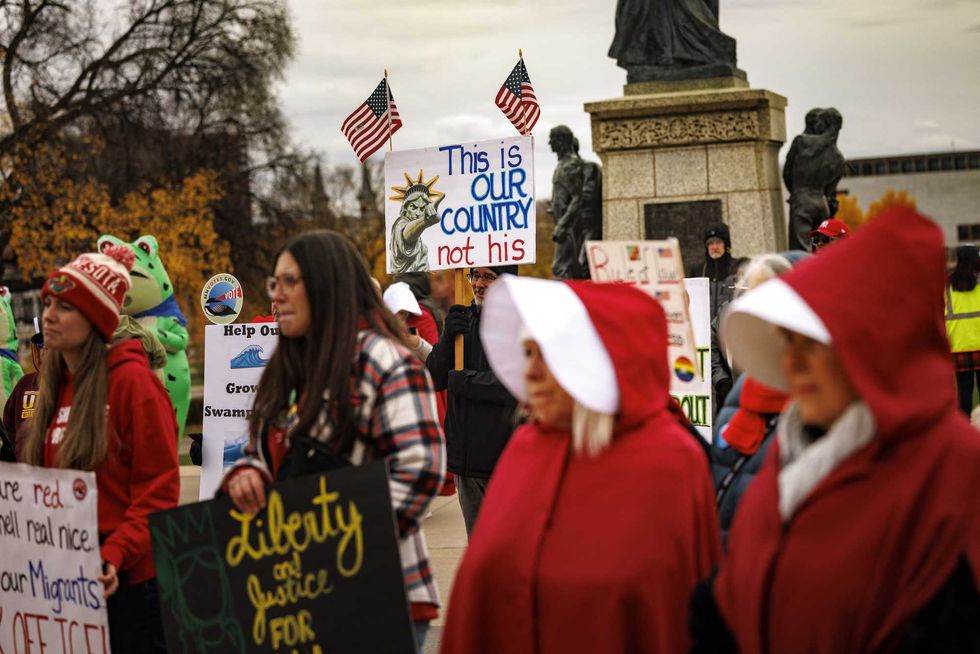
Where women are concerned, it’s something that we can undoubtedly attribute to the rise of Manosphere culture and the Handmaid’s Tale-adjacent political climate we’re living through.
 Getty
Getty
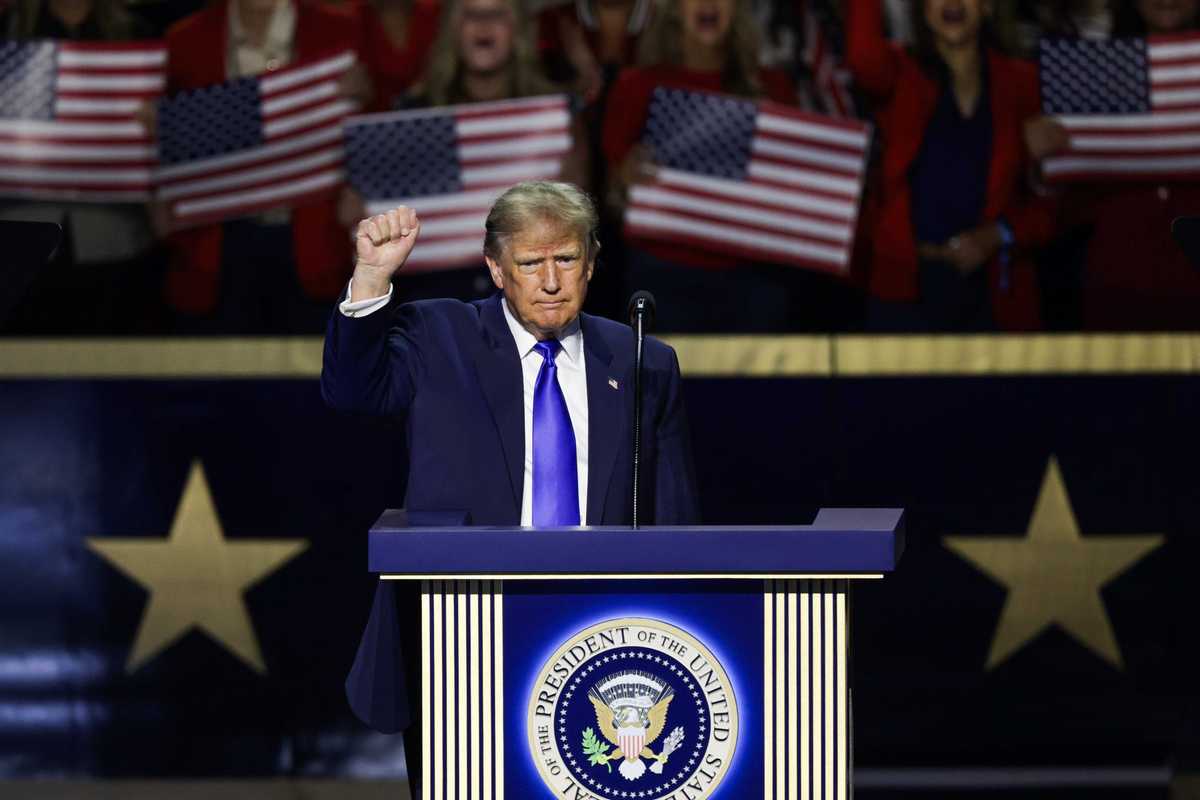
After Donald Trump was re-elected as US president in 2024, the 4B Movement went global.
Shortly after the election results were announced, Google searches for the 4B movement spiked by 450 per cent, with women rejecting the Republican and his government’s often controversial conservative values.
Those values included the overturning of Roe v Wade, criminalising abortion in certain states, and male-centred conversations around declining birth rates.
The 4B movement, which was popularised in South Korea in the 2010s, acts as a stand against violence towards and inequality embodies four “bi” terms - which translate to “no” in Korean: Bisekseu (no sex with men), Bichulsa (no giving birth), Biyeonae (no dating men), and Bihon (no marriage with men).
Similarly, social media coined the phrase ‘boy sober’ - a similar movement formed by Brooklyn-based comedian Hope Woodard, encouraging women to be loud and proud about wanting better treatment from men, by de-centering them from their lives and ditching dating altogether.
That means not even allowing space for ‘what are we?’ conversations six months into situationships, and choosing self-care over 3am hookup calls.
Steve adds: “A lot of women are reporting that periods of celibacy have given them space to understand themselves more clearly, to pursue their own goals without the distraction or compromise that relationships can involve, and to build a relationship with themselves that feels more solid and nourishing than some of the romantic relationships they have had.
 iStock
“Social media has played a genuinely significant role here.
“Communities sharing their experiences of voluntary celibacy, whether on TikTok, Reddit or Instagram, have created a sense of collective permission.
“When you see thousands making the same choice and articulating it confidently, it normalises something that might previously have felt isolating or shameful.”
Georgina adds that celibacy across all genders and orientations might have some genuine, emotional benefits too, including mental clarity, improved focus, and more room for introspection.
“Wellbeing has become a priority in the world now - the wellness industry is massive”, she notes. “That acceptability and normalising self-care has become just commonplace now and celibacy could be one way to maintain it.”
For some, it's about healing from negative experiences, while for others, it's simply about setting boundaries, gaining clarity, or redefining what connection means outside of physical intimacy.
In a society driven by likes, matches, and 24/7 connection - choosing when not to say "no" might just be the most radical statement of all.
Why not read...
Gen Z’s dating dealbreaker for 2026 has been revealed - and it’s a subtle detail
Sign up for our free Indy100 weekly newsletter
Top 100