The Conversation (0)
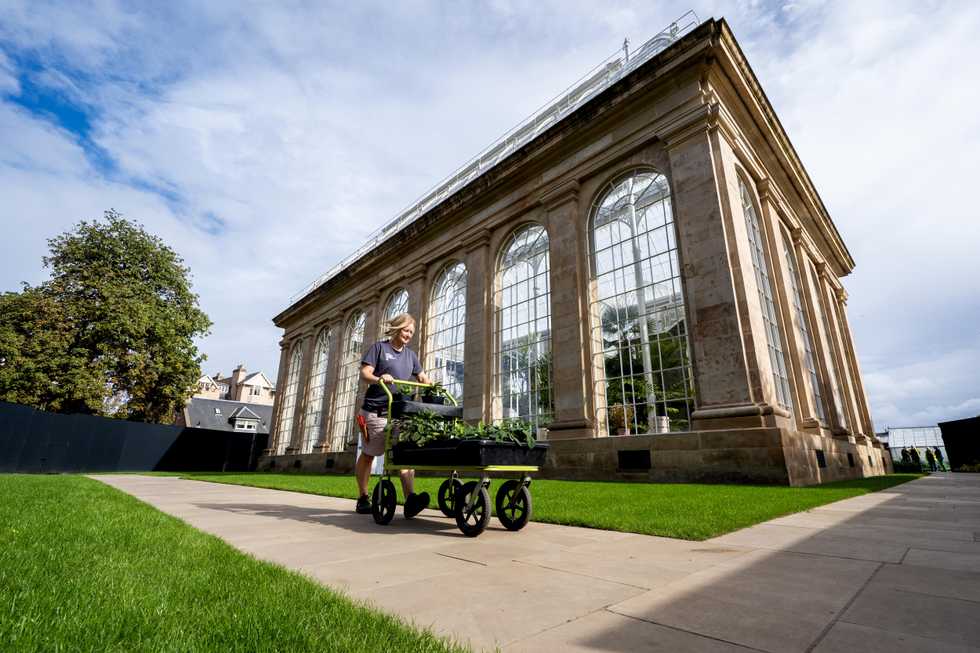
Royal Botanic Garden Edinburgh’s Palm Houses have reopened to visitors following a five-year restoration (Jane Barlow/PA)
PA Wire/PA Images - Jane Barlow
The Royal Botanic Garden Edinburgh’s historic Palm Houses have reopened to visitors after a five-year restoration.
The 19th century glasshouses were closed in 2021 so that “substantial” restoration work could be carried out to their stonework, ironwork and glass.
The “painstaking” restoration work saw all 5,750 panes of glass replaced, 600m2 of ironwork fully restored or updated, and 500m2 of sandstone repairs completed with replacement stones weighing up to a quarter of a tonne.
This is a truly historic moment for the Royal Botanic Garden Edinburgh as we welcome visitors to explore our magnificent Palm Houses once again
Professor Julia Knights, Royal Botanic Garden Edinburgh
The buildings, which include the world’s tallest traditional stone-built Palm House, will now be home to almost 600 of the “more tender” plant specimens in Scotland’s National Botanic Living Collection, which spans 13,500 species from 152 countries.
Stories of the plants inside will also be shared through a new visitor experience featuring multimedia and multisensory digital tours.
Professor Julia Knights, regius keeper of the Royal Botanic Garden Edinburgh, described the reopening as “a major milestone” in the 365-year history of the garden.
“This is a truly historic moment for the Royal Botanic Garden Edinburgh as we welcome visitors to explore our magnificent Palm Houses once again,” she said.
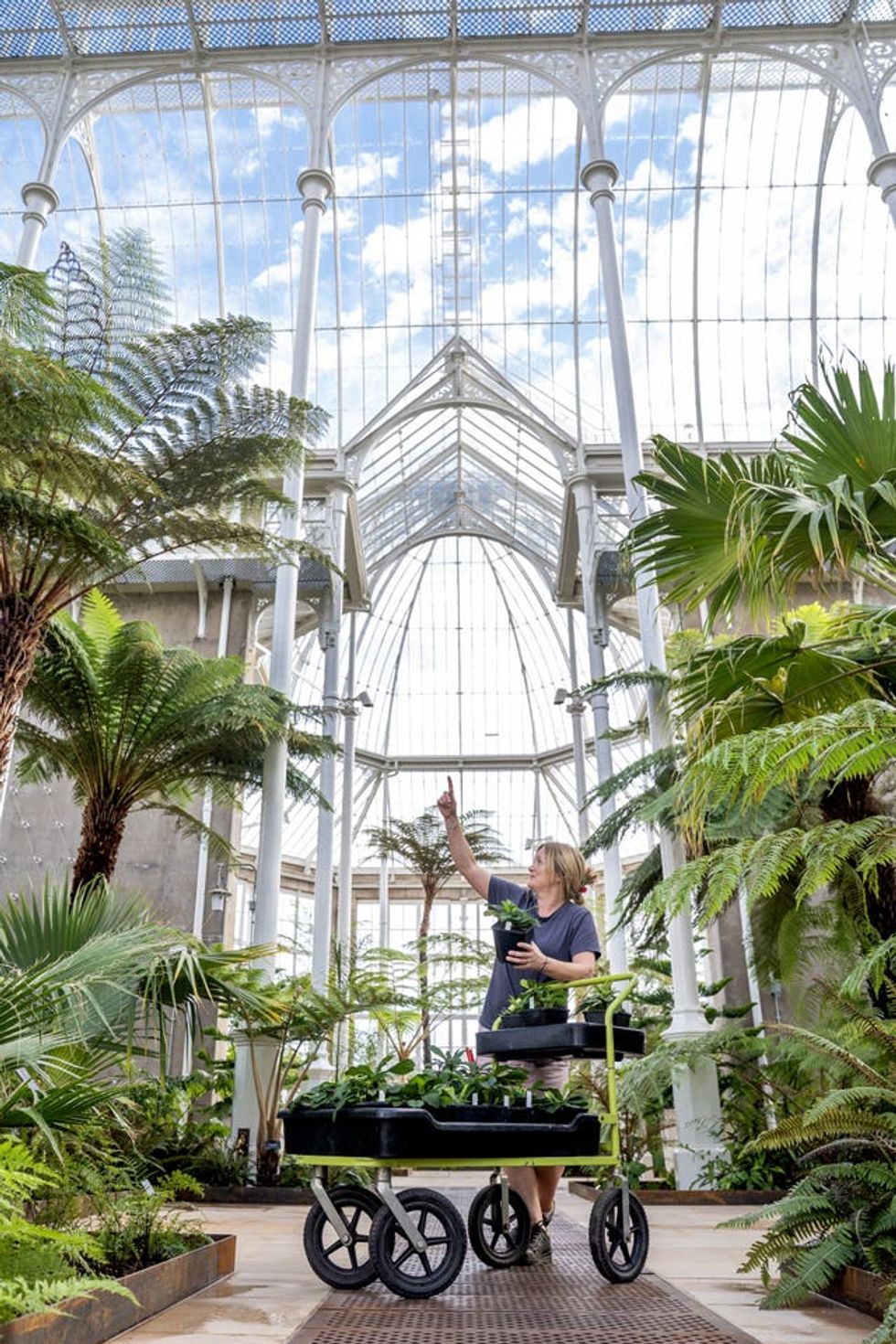 The ‘painstaking’ restoration saw all 5,750 panes of glass replaced (Jane Barlow/PA)PA Wire/PA Images - Jane Barlow
“Over the last five years they have been painstakingly restored to protect our incredible Living Collection for future generations.
“Visitors now have the opportunity to see this unique collection of some of the world’s most fascinating plants, some endangered in the wild, underneath the breath-taking glass-domes of the Palm Houses.”
She added: “The next phase of this vital work will transform our Research Glasshouses to protect 3,000 more priceless plants, some of which are now extinct in the wild, and all of which are key in driving forward our globally leading work in scientific discovery, conservation, and horticultural innovation.”
The reopening was marked by the planting of an endangered lion plant (Valdivia gayana), known as planta del leon in its native Chile.
There are estimated to be fewer than five natural populations of the plant in the wild, with the specimens growing at the Botanics thought to be the only ones in cultivation.
It is just one of a number of rare and endangered plant species from across the globe for which the Palm Houses are a “vital refuge”.
Other examples include the Three Kings vine (Tecomanthe speciosa) from New Zealand, one of the rarest plants in the world, and the Catkin yew (Amentotaxus argotaenia), a critically endangered conifer.
The protection of these plants reflects the wider work of the Garden to preserve critical biodiversity for generations to come.
Prof Knights was joined at the reopening by Climate Change Secretary Gillian Martin, who described it as a “powerful reminder of the value of investing in our natural and cultural heritage”.
“For generations the iconic Palm Houses at Royal Botanic Garden Edinburgh have inspired visitors from Scotland and around the world,” she said.
“The restoration of these heritage glasshouses helps to safeguard the globally important plant collections here for the future, ensuring vital work in conservation, education and scientific discovery can continue.
“At a time when the impacts of biodiversity loss and climate change are being felt around the world, the work undertaken at the Royal Botanic Garden Edinburgh to save species from extinction is critical.
The multi-million pound restoration was supported by investment from the Scottish Government and a significant fundraising campaign.
This saw more than £10.6 million raised from major donors including The National Lottery Heritage Fund, alongside donations from supporters, members and the public.
Top 100