The Conversation (0)
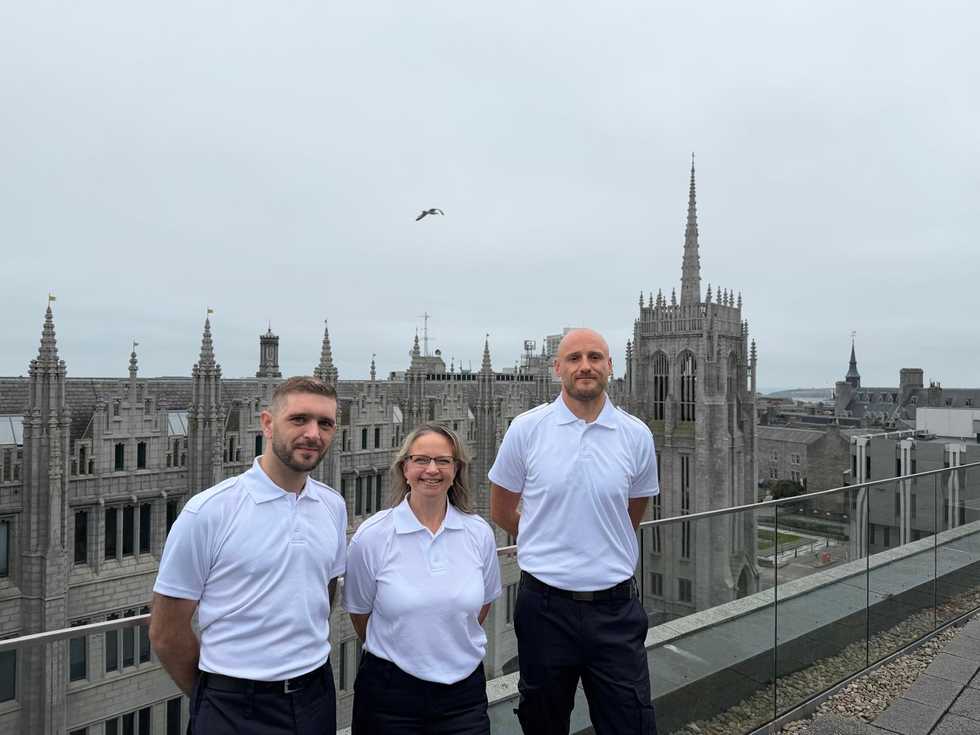
Wish Ambulance Scotland has been founded by Kieran Hutcheon, Karen Gill and Daniel Bickmore (Wish Ambulance Scotland SCIO/PA)
Wish Ambulance Scotland SCIO/PA
Scottish paramedics have launched plans to grant dying patients one last meaningful journey to a place of personal significance.
Wish Ambulance Scotland has been founded by advanced paramedic Kieran Hutcheon, 30, and fellow founding trustees and paramedics, Karen Gill, 46, and Daniel Bickmore, 37.
They want to help people approaching the end of their lives fulfil one final meaningful wish by providing clinically supported journeys across Scotland.
“Every day as paramedics we take people from A to B. It’s kind of second nature, and we do it each day, but it’s always taking somebody to hospital, to somewhere clinical,” Mr Bickmore said.
“People at the end of life don’t want to go somewhere clinical – they want to go somewhere that means something to them.”
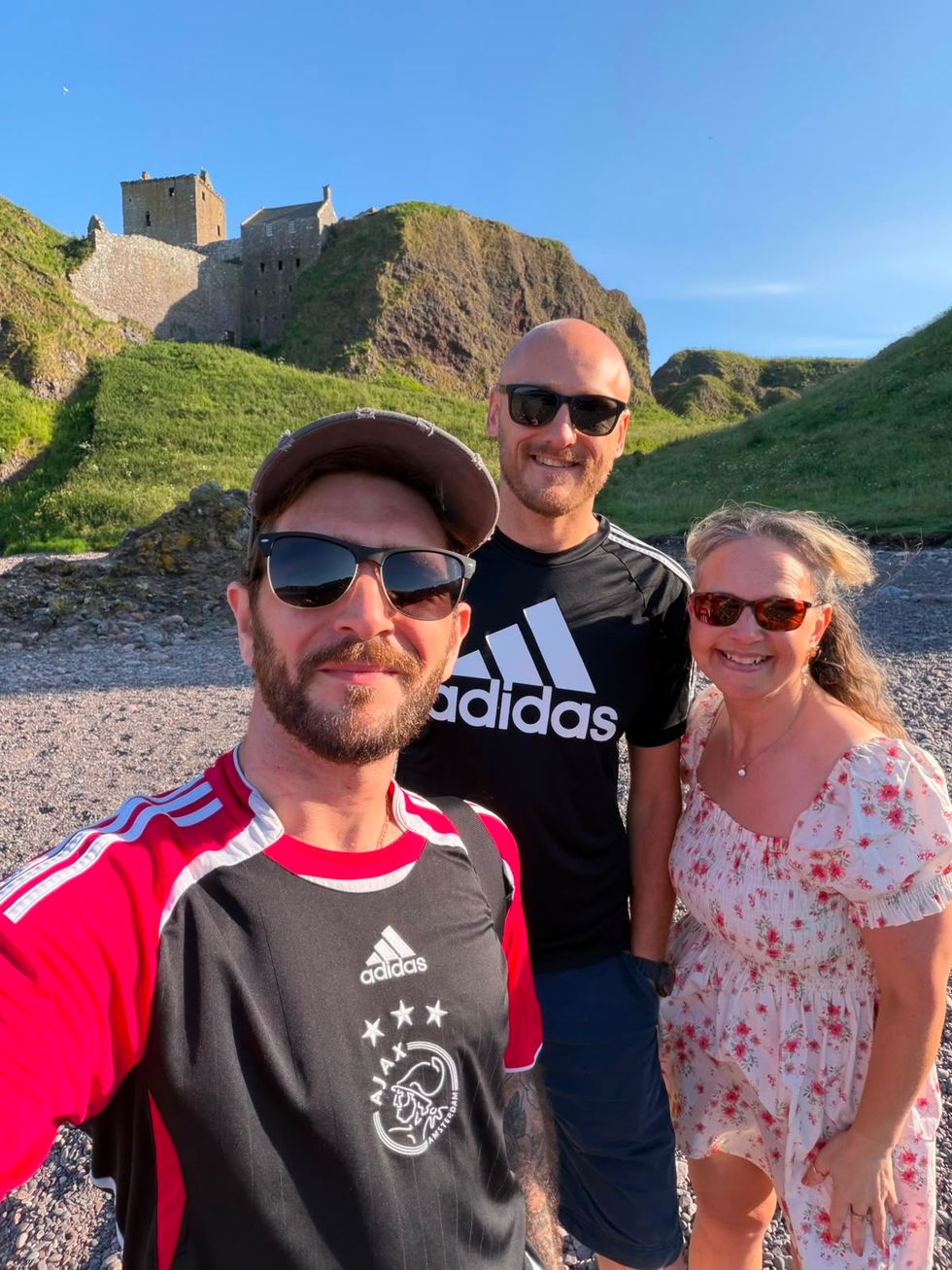 Wish Ambulance Scotland has been founded by advanced paramedic Kieran Hutcheon and colleagues Daniel Bickmore and Karen Gill (Wish Ambulance Scotland SCIO/PA)
Wish Ambulance Scotland is the first project of its kind north of the border, and the third in the UK.
Mr Hutcheon came across the idea when he discovered Stichting Ambulance Wens in Rotterdam after his mother died in 2017 and he began researching community approaches to end-of-life care.
He said his mother was so ill in the final months of her life that leaving the house became an enormous challenge, and he felt a service such as Wish Ambulance Scotland would have been a lifeline for his family.
Mr Bickmore said he has helped countless palliative patients as a paramedic, and wanted to help them in a wider way.
“We can usually control their pain, we can usually deal with their vomiting and we throw medication at the problem, but it’s not really quite often what people want,” Mr Bickmore said.
“They want to be around their family, they want to go to the wedding that they’re going to miss next week and a lot of that just isn’t possible.
People at the end of life don't want to go somewhere clinical - they want to go somewhere that means something to them
Daniel Bickmore
He continued: “So quite often I would come away from a palliative care job on an ambulance with a sense of emptiness.
“Yes, I’ve done my job but that person wants to be somewhere else. They want to go and do something – see a football game – and we haven’t allowed that to happen.”
The trio behind Wish Ambulance Scotland are aiming to raise £25,000 to get the project off the ground.
Mr Hutcheon said: “The initial start-up costs are extremely high and the fuel prices will be the biggest ongoing cost, but initially to start doing Wish journeys safely, have proper policies in place, clinicians and training, we’re looking for £25,000 initially.”
To build a sustainable service, he said the cost will be £150,000 or more because Wish Ambulance Scotland will need premises, accommodation for its vehicle and somewhere volunteers can keep stores, medications and oxygen, They will also need a licence from the Home Office and clinical waste disposal.
“But once we have everything, our actual operational costs are low because we’re not like other (end-of-life) charities that take people to Disneyland or to Las Vegas for the weekend,” he said.
“We’re aiming to take people to the beach, to ice creams or to coffees, but I feel like these opportunities give back a lot more than those big, big things.”
Wish Ambulance Scotland is raising money at crowdfunder.co.uk/p/help-grant-wishes-with-wish-ambulance-scotland.
Mr Hutcheon said the charity is also operating a “500 Wishes” campaign that aims to get 500 companies to sponsor one wish journey each.
“If we got 500 companies to give us £500 each, that’s £250,000 and that would be enough to keep us going for four or five years,” he added.
Top 100