The Conversation (0)
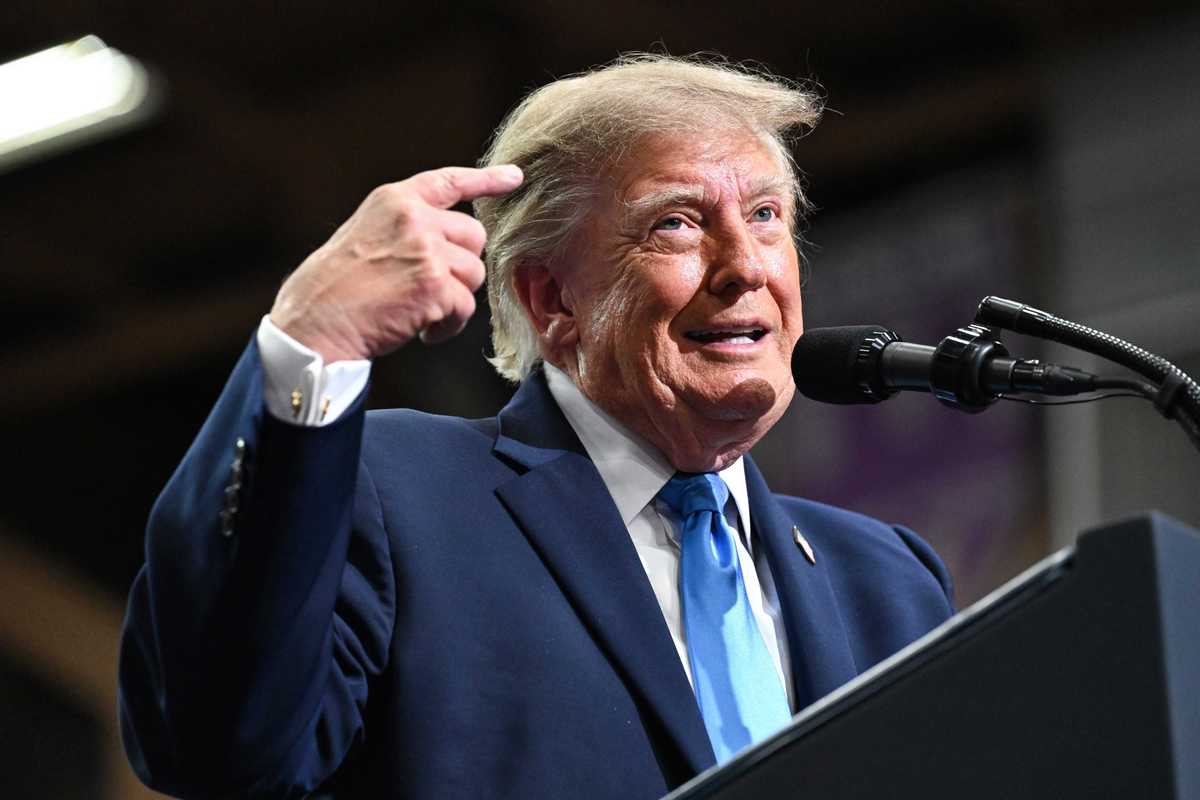
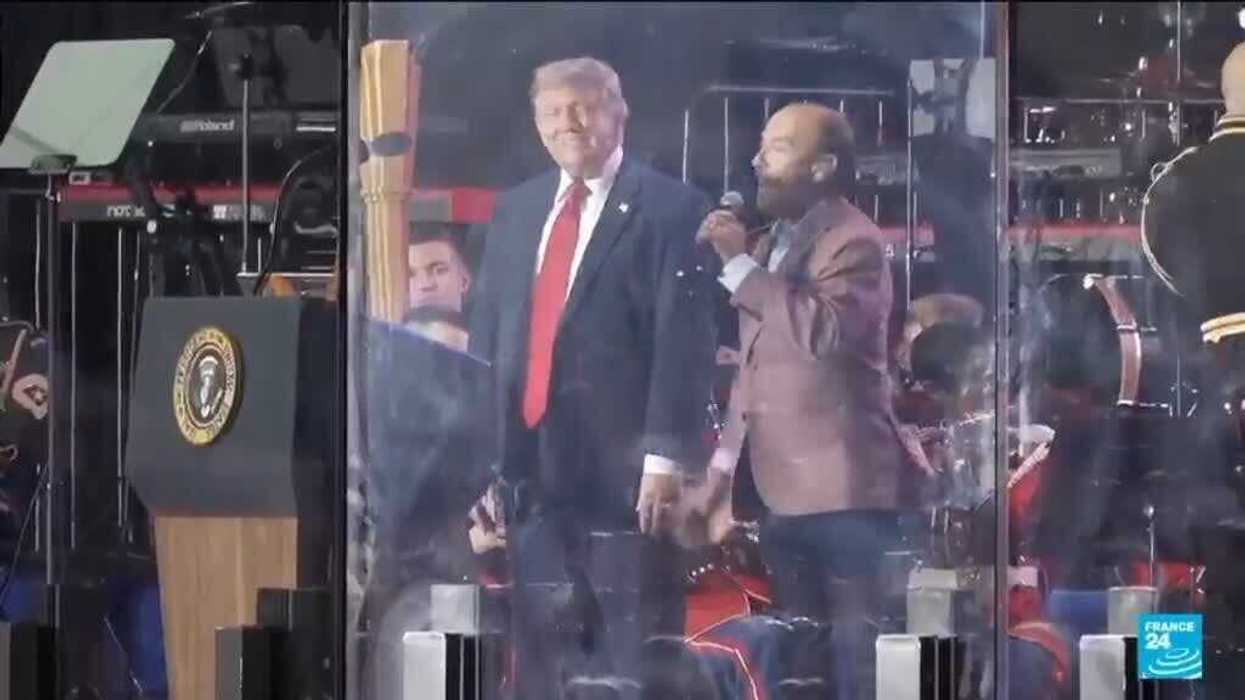
Trump marks nation's 250th birthday with campaign-style rally
FMM - F24 Video Clips / VideoElephant
America’s upcoming 250th birthday, a milestone traditionally marked by unifying celebrations, is instead exposing deep political fissures across the nation, largely exacerbated by Donald Trump’s prominent role in the commemorations. For many, the prospect of celebrating the country’s semiquincentennial on 4 July has become a source of division rather than national pride.
Betsy Halsey, 63, a retired teacher from Doylestown, Pennsylvania, still cherishes memorabilia from the 1976 bicentennial. Yet, her dismay with Donald Trump is so profound that she refuses to partake in this year’s festivities. "I don't want to be at the same party with people feeling enthusiastic about where our country is going," said Halsey, a frequent Democratic voter. In stark contrast, Dan Marrazzo, 70, a Republican laundromat owner from nearby Langhorne Manor, is eager to celebrate, believing America is thriving under Trump. He plans to mark the occasion by cooking for friends and family, asserting, "The poorest person in America has a better lifestyle than some of the richest people in the rest of the world."
 Betsy Halsey poses for a portrait in Doylestown, Pennsylvania.EUTERS/Hannah Beier
As the US prepares for the 250th anniversary of its 1776 Declaration of Independence from Great Britain, the political polarisation that has defined the Trump era is challenging what is typically a summer ritual of fireworks, parades, and patriotic displays. With Trump stamping his imprint on the official commemoration, and with his second White House term marked by divisive policies on immigration, the economy, and foreign affairs, many Americans are struggling to separate the politics from the pageantry.
"The very idea of celebrating has become political and partisan," noted Beverly Gage, a Yale University historian. "What is striking about our moment is how widespread the pessimism seems to be." A Reuters/Ipsos poll reveals that one in five Americans will not celebrate Independence Day this year, including a quarter of Democrats and 8 per cent of Republicans. Furthermore, two in five do not believe the country will survive another 250 years.
To understand these sentiments, Reuters interviewed residents, activists, historians, and elected officials in Bucks County, Pennsylvania, where Halsey and Marrazzo reside. Once a political backwater, Bucks County has become a microcosm of the cultural and partisan schisms convulsing the US. A deeply divided region in the critical swing state of Pennsylvania, Trump won the county by fewer than 300 votes out of some 400,000 cast in 2024.
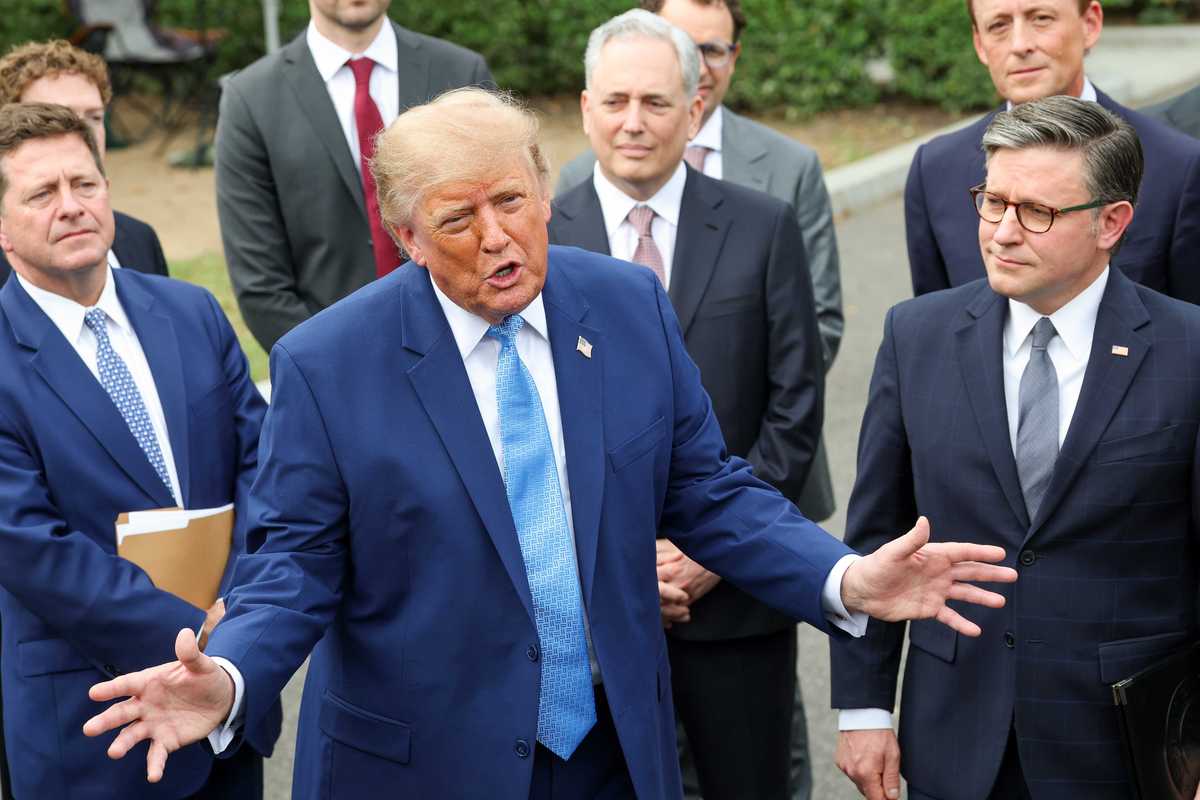
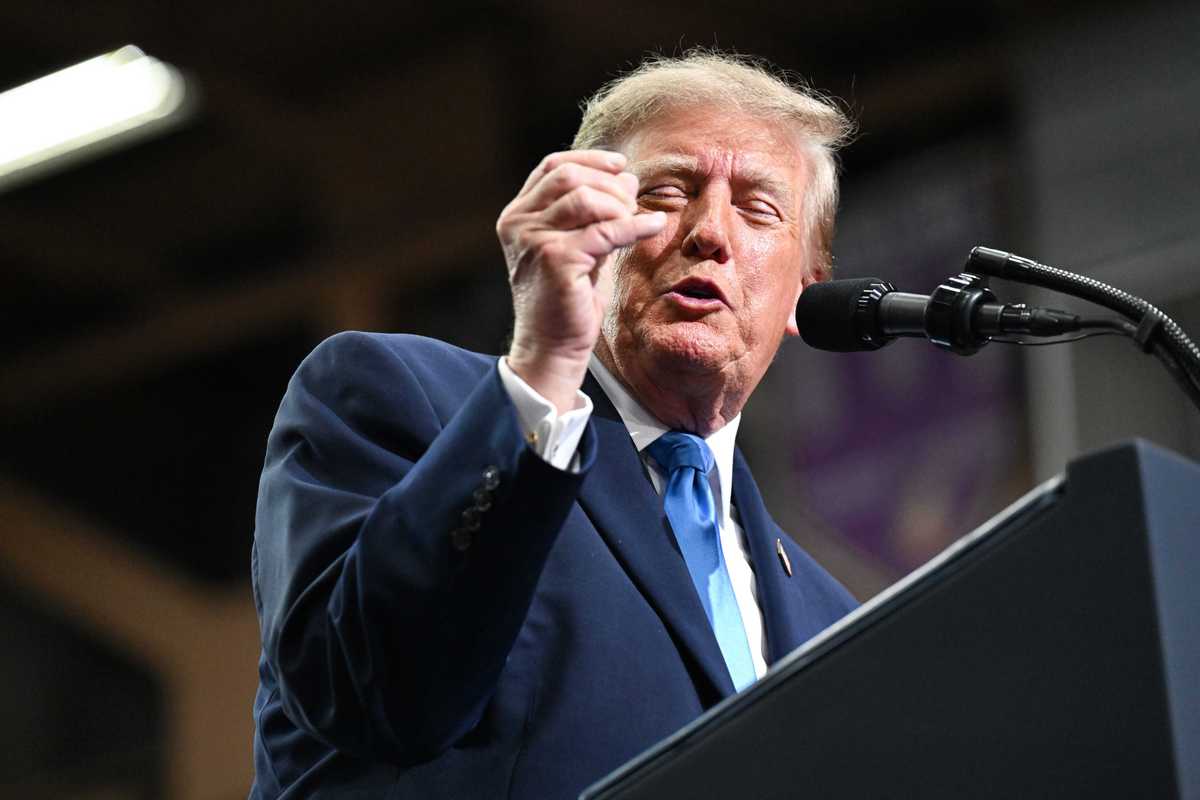
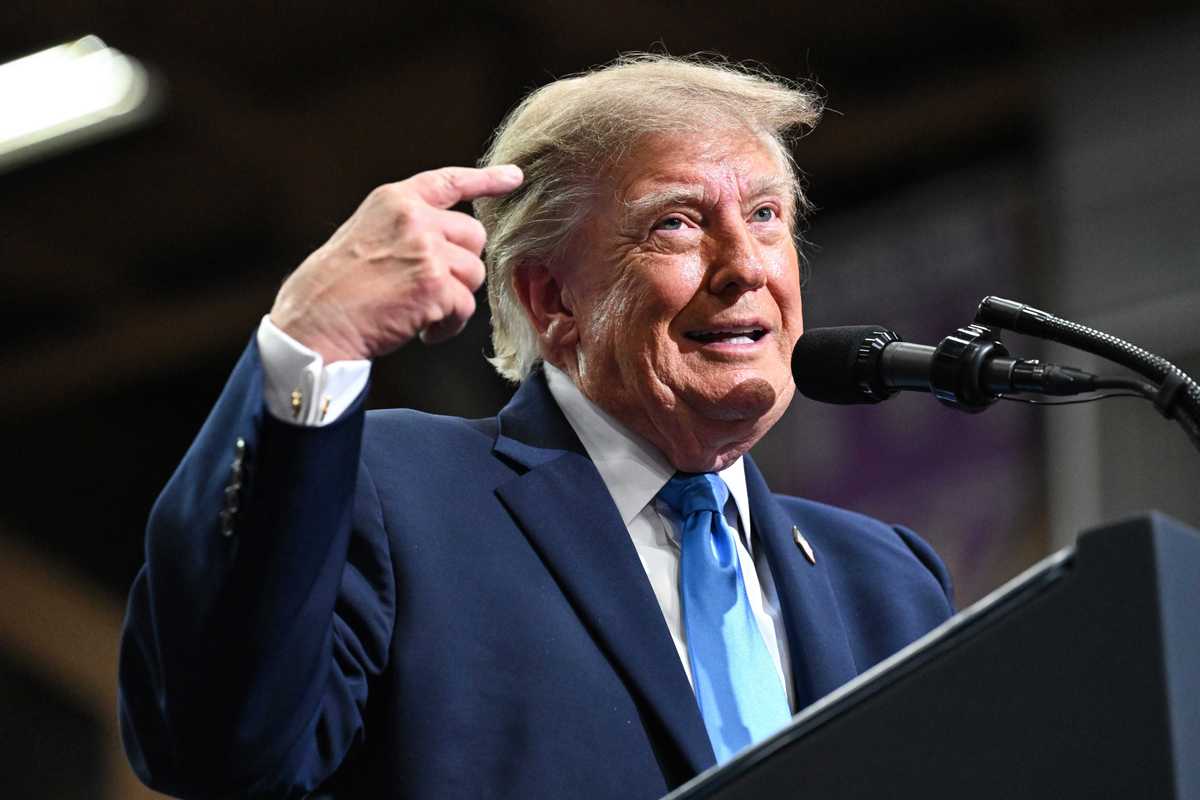
Trump has positioned himself at the centre of the country's birthday celebration. Last year, the White House established Freedom 250, a public-private partnership, to organise anniversary events, despite the existence of America250, a congressionally chartered commission that had spent years planning activities. Freedom 250’s marquee event is the Great American State Fair, a two-week exposition on the National Mall. Trump held a campaign-style rally to kick off the fair and is scheduled to deliver a second on 4 July, drawing criticism that he is transforming a national celebration into a political event. Several Democratic-led states and a number of musical acts have refused to participate, citing concerns that the fair is too closely tied to Trump. Meanwhile, the US Mint is planning to issue a 250th commemorative gold coin bearing Trump's likeness.
In Bucks County, Tabitha Dell'Angelo expressed such dismay with the country's direction under Trump that she does not plan to celebrate 4 July, something she would normally do. "I love my country. I am a proud American," the 56-year-old college professor and former Democratic school board member said. "But this version of the celebration does not feel like it's about America, but instead a celebration of Trump."
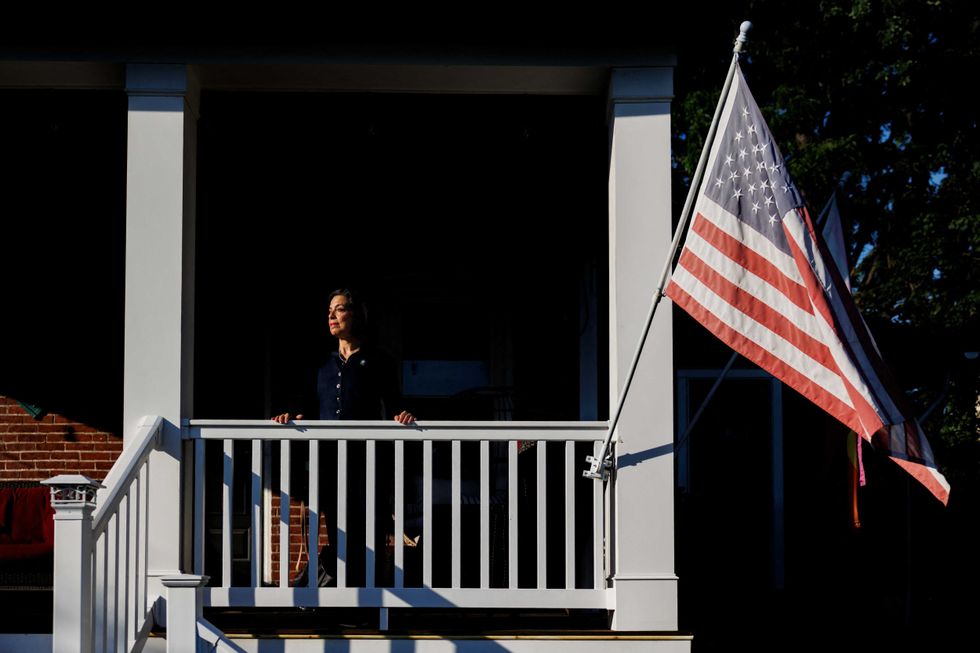 Tabitha Dell'Angelo, a former Democratic member of the Central Bucks School District Board of Directors, poses for a portrait in Doylestown, Pennsylvania, U.S., June 5, 2026REUTERS/Hannah Beier
Amidst the county's quaint river towns, wooded enclaves, and farmland, lie some of the country's most renowned Revolutionary War sites. Yet, Bucks County has also been plagued by unsubstantiated allegations of election fraud, disputes over book bans, and protests concerning the version of American history taught in schools. Residents interviewed said the holiday, despite its traditional themes of national identity and shared history, has done little to alleviate their concerns about local and national divides. Many are grappling with fundamental questions about American identity: Are there still unifying principles, or has partisanship fractured voters to the point where party loyalty supersedes patriotism?
Jim Worthington, 69, a Trump supporter and health club owner, cannot comprehend why anyone would forgo the 250th celebrations. He believes the longevity of America's existence is a marvel worth honouring, regardless of who is president. "This is a celebration of 250 years of history, the greatest experiment in the history of the world," Worthington stated.
Doylestown Councilman Connor O'Hanlon, 30, a Democrat, observed that his generation has spent their entire adult lives in a hyper-partisan era marked by "an overall nihilism and cynicism about the direction our country is going in." However, he believes Americans should use 4 July to reflect upon their shared beliefs, though some of his neighbours doubt many remain.
Doreen Stratton, an activist and writer in Doylestown, can trace her family back to the republic's earliest days; her great-great-grandfather was among the few free Black residents living in Philadelphia in 1776. Now, she fears that years of progress, particularly for Black Americans, are stalling under the Trump administration, which has rolled back some civil rights protections for minorities. "I almost look at it like I'm in mourning," she said of the upcoming Independence Day.
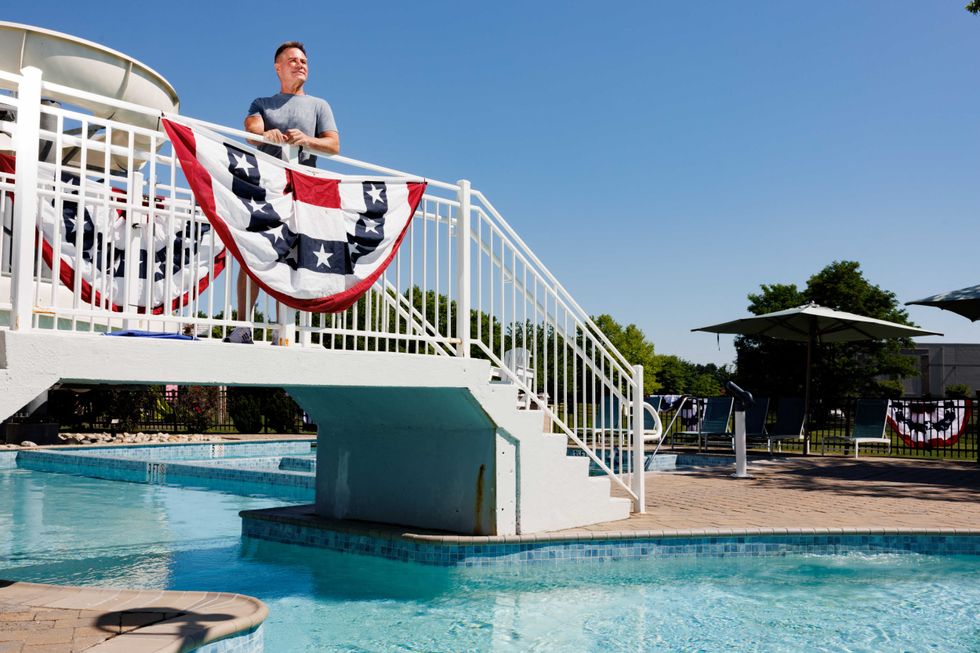 Jim Worthington, U.S. President Donald Trump supporter and owner of Newtown Athletic Club, poses for a portrait in Newtown, Pennsylvania, U.S., June 4, 2026REUTERS/Hannah Beier
These divided sentiments have left local organisers of 4 July events facing a challenging task: how to mark the holiday without alienating swathes of residents. Dick Creter, whose non-profit America Celebrates is hosting events in New Hope, Pennsylvania, and neighbouring Lambertville, New Jersey, said several people had sought reassurance that the programme would be nonpartisan. "I think that to let the celebration of our 250 go by without embracing it, regardless of your political stance, is a mistake," Creter said.
Historians note that prior milestone anniversaries also occurred during tumultuous periods. In 1876, the country was grappling with the fissures of the Civil War a decade earlier; in 1976, the Vietnam War and the Watergate scandal had shaken faith in government. "One thing I'm very aware of is how poor people are at judging their own historical moment," said Yale's Gage. "The story of some of the deepest moments of crisis in America were followed by the moments of deepest change."
At Washington Crossing Historic Park in Bucks County, a stone tablet reminds visitors of the events of 1776, when George Washington led his troops through a Christmas night snowstorm across the Delaware River to launch a surprise attack on British-allied German soldiers in New Jersey, turning the tide of the war.
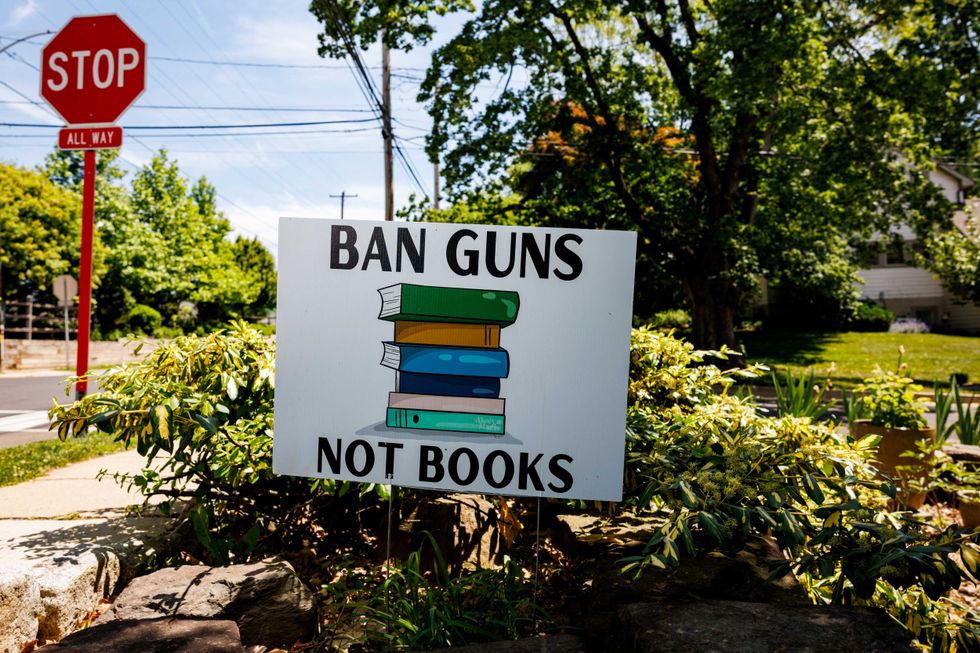 Signage outside of Doreen Stratton's home in Doylestown, Pennsylvania, U.S., June 5, 2026 REUTERS/Hannah Beier
Leading up to the 250th, the park conducted research on the contributions of women, Black soldiers, and civilians to the war effort in response to constituents' inquiries, said Jennifer Martin, executive director of the non-profit overseeing the park. She emphasised their approach has always been apolitical. "It's important that we are telling accurate stories, and that we are not allowing the political climate to influence how we tell histories," she said.
John Godzieba, a retired police officer who has played Washington in Washington Crossing reenactments for over 15 years, believes most Americans will embrace the moment, if only for a day. "Maybe on July 5, they'll go back to being angry and disenchanted about the country," he said. "But I think on July 4, they will be here."
Top 100