The Conversation (0)
Related: President Trump says any country trafficking drugs into US could be attacked
USA Today - Vertical / VideoElephant
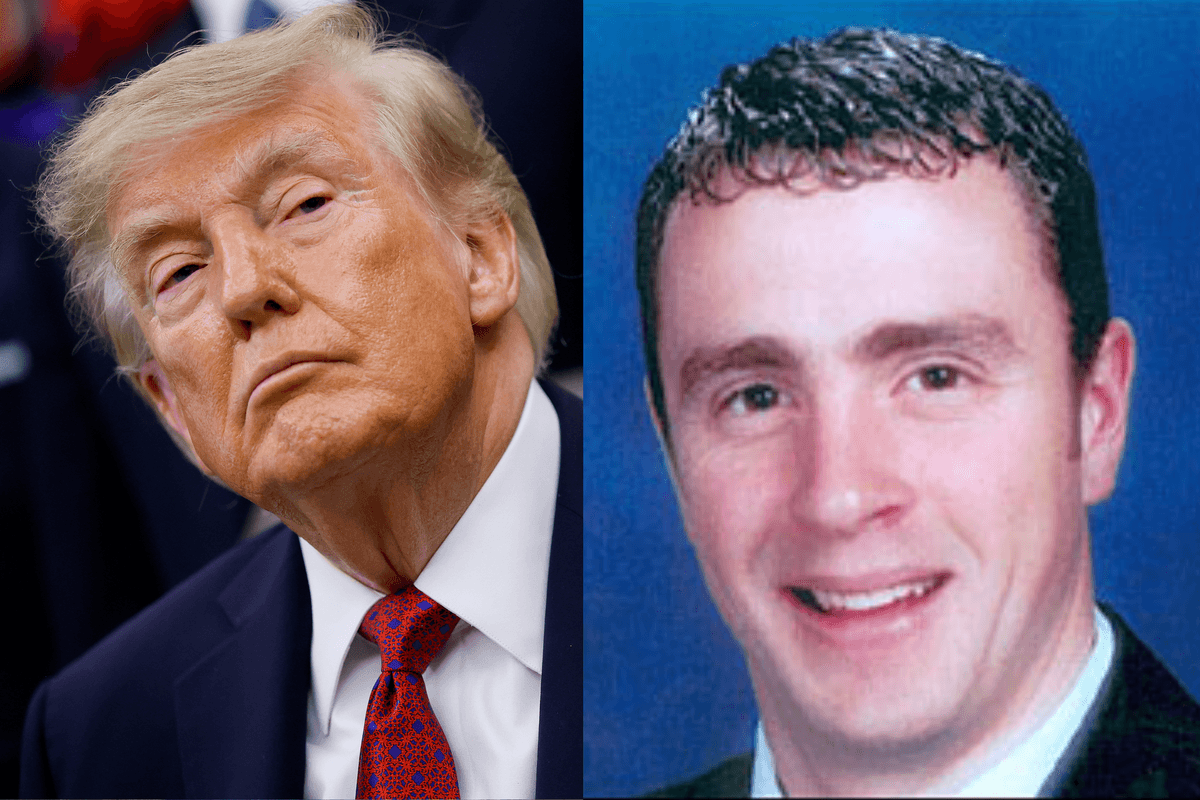
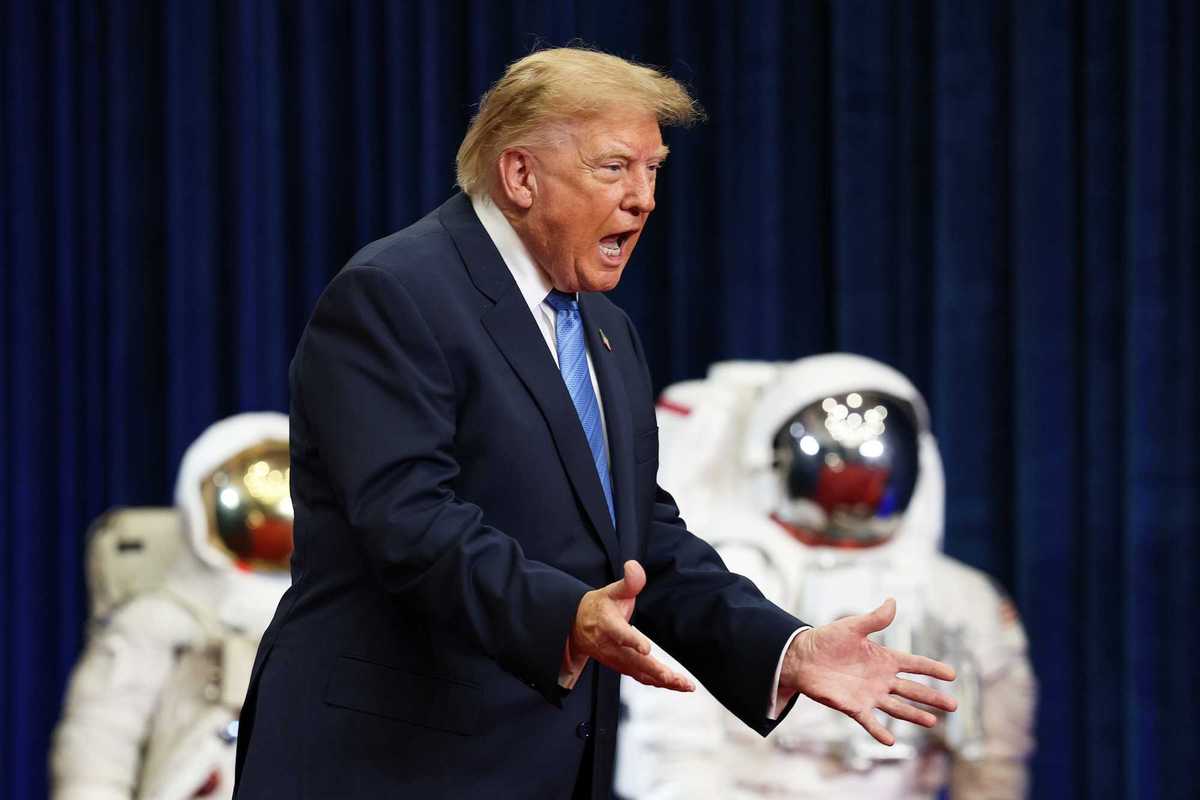
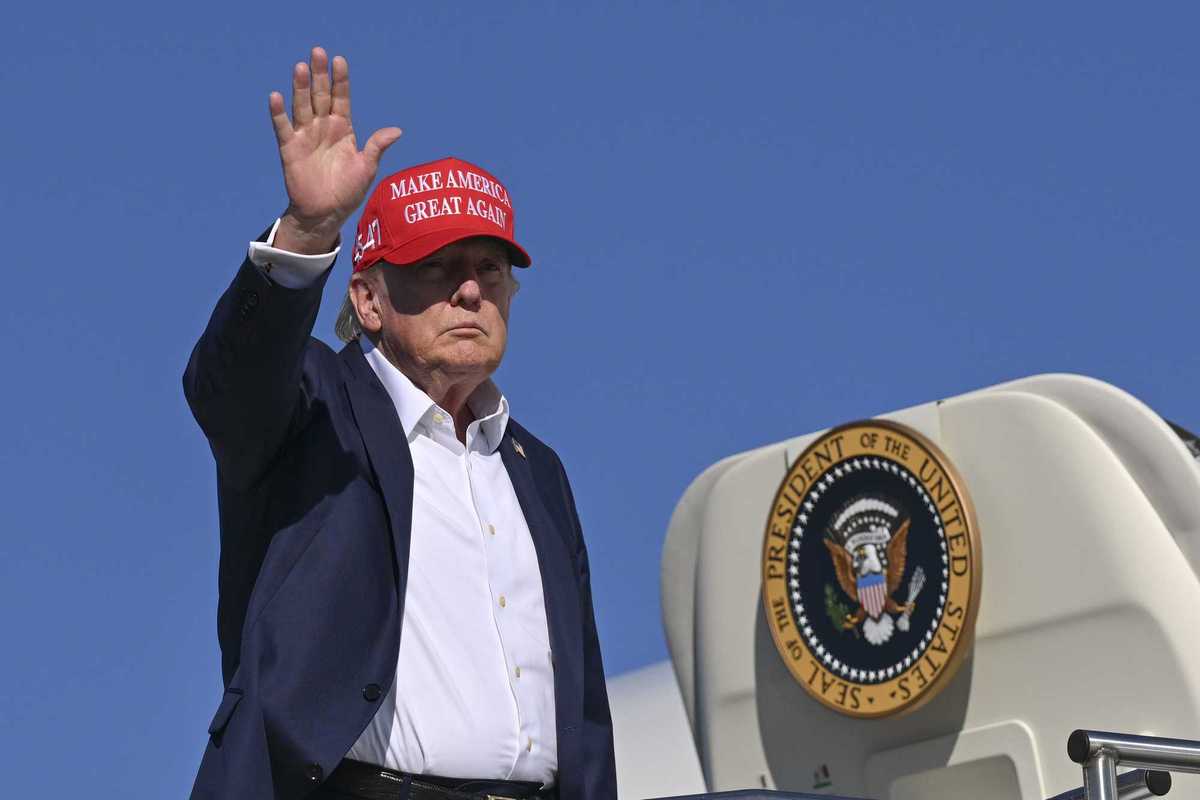
Donald Trump has repeatedly asserted that his administration has all but eradicated the flow of drugs into the US by sea, a claim he reiterated this week on Truth Social, stating that "98.2 per cent of Drugs coming into the U.S. by Ocean or Sea have STOPPED!"
However, experts contend that this figure misrepresents government data, and the true extent of drug trafficking remains unknown due to the impossibility of quantifying unintercepted shipments. When asked for the source of Trump's statistic, the White House referred The Associated Press to Customs and Border Protection (CBP) data on drug seizures.
The 98.2 per cent figure cited by Trump refers to a specific drop in drug seizures within the coastal/interior region – encompassing open and coastal waters – between July 2025 and November 2025, according to CBP. This represents a snapshot of two months, not an overall trend, and crucially, it does not measure the total volume of drugs trafficked.
Dessa Bergen-Cico, a professor of public health at Syracuse University specialising in drug trafficking, explained: "Drug seizure data measure interdiction activity, not actual trafficking volume. As drug policy researchers have noted, no one knows how much goes uncaught, and changes in seizure data are insufficient to make definitive claims about policy outcomes." Interdiction activity refers solely to the prevention of illicit drugs reaching their intended destination.
In July 2025, CBP recorded 223,923 pounds of cocaine, fentanyl, heroin, marijuana, and methamphetamines seized in open waters or near coasts. This figure plummeted to 4,463 pounds by November 2025, accounting for the 98.2 per cent difference.
Bergen-Cico noted that fluctuations in seized drug quantities can be attributed to various factors, including shifts in trafficking routes, enforcement strategies, agency jurisdiction, and changes in drug supply and demand. Seizures continued to fall in December 2025, reaching 2,268 pounds, before beginning to rise again in early 2026. The latest available data from March shows 28,500 pounds were seized that month.
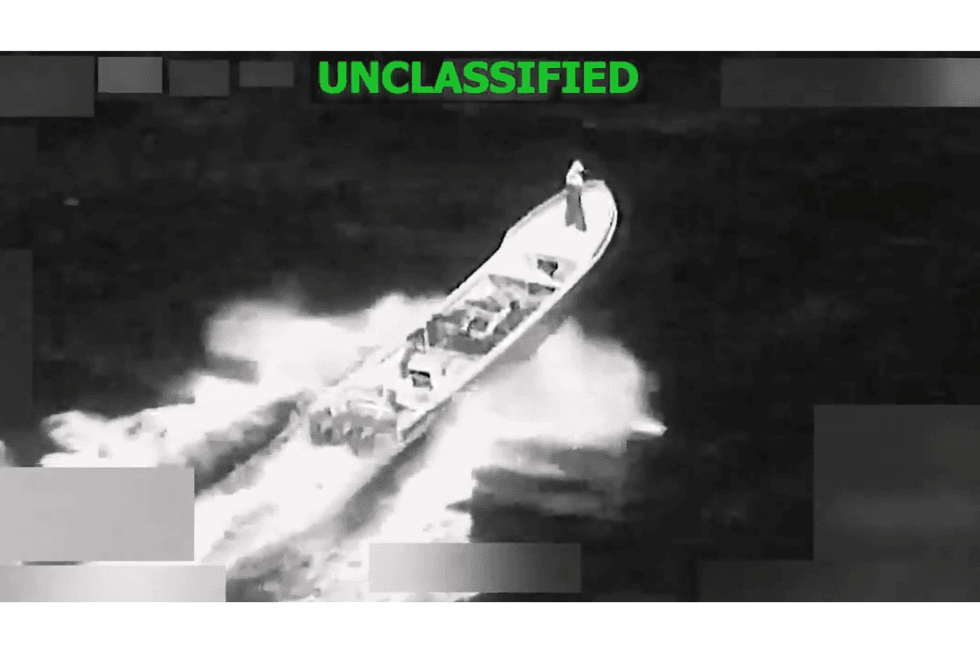 This image from video provided by U.S. South Command, shows a vessel accused of trafficking drugs in the eastern Pacific Ocean shortly before it was destroyed by the U.S. military, killing two and injuring one, on Jan. 23, 2026U.S. Southern Command via AP, File
Yet, these figures only reflect intercepted drugs, not the overall volume of narcotics entering the country. Jonathan Caulkins, a professor of operations research and public policy at Carnegie Mellon University, highlighted that "ignorance of what are the correct figures for either of these important concepts" often leads to misinterpretation.
In his Truth Social post on Monday, Trump also warned that the U.S. would hit Iran's "fast attack ships" if they came anywhere close to vessels blockading Iranian shipping outside of the Strait of Hormuz. Trump and Iranian Foreign Minister Abbas Araghchi said Friday that the strait is fully open again, though Trump added that the blockade will continue until Iran reaches a deal with the U.S. to end the war. Abbas said the strait will remain open for the remaining period of a 10-day truce between Israel and the Iran-backed Hezbollah militant group.Since September, the Trump administration has conducted a campaign of strikes against vessels suspected of drug trafficking in Latin American waters, resulting in at least 51 attacks and 178 fatalities.
Cocaine remains the most commonly seized drug in the coastal/interior region. Bergen-Cico observed that there isn't a significant difference in quantities intercepted under the Biden and Trump administrations. A 79 per cent drop in cocaine seizures from August 2025 to January 2026 was primarily driven by the Trump administration's boat strikes.
However, this still measures interdiction activity, not total trafficking volume, and reflects the operations of only one agency, CBP. Bergen-Cico concluded that the drop in coast/interior drug seizures from financial years 2025 to 2026 "do not straightforwardly indicate reduced drug flow. Rather, they reflect a jurisdictional and operational transition in which traditional CBP maritime interdiction has been partially displaced by U.S. military and Coast Guard operations."
Top 100