The Conversation (0)
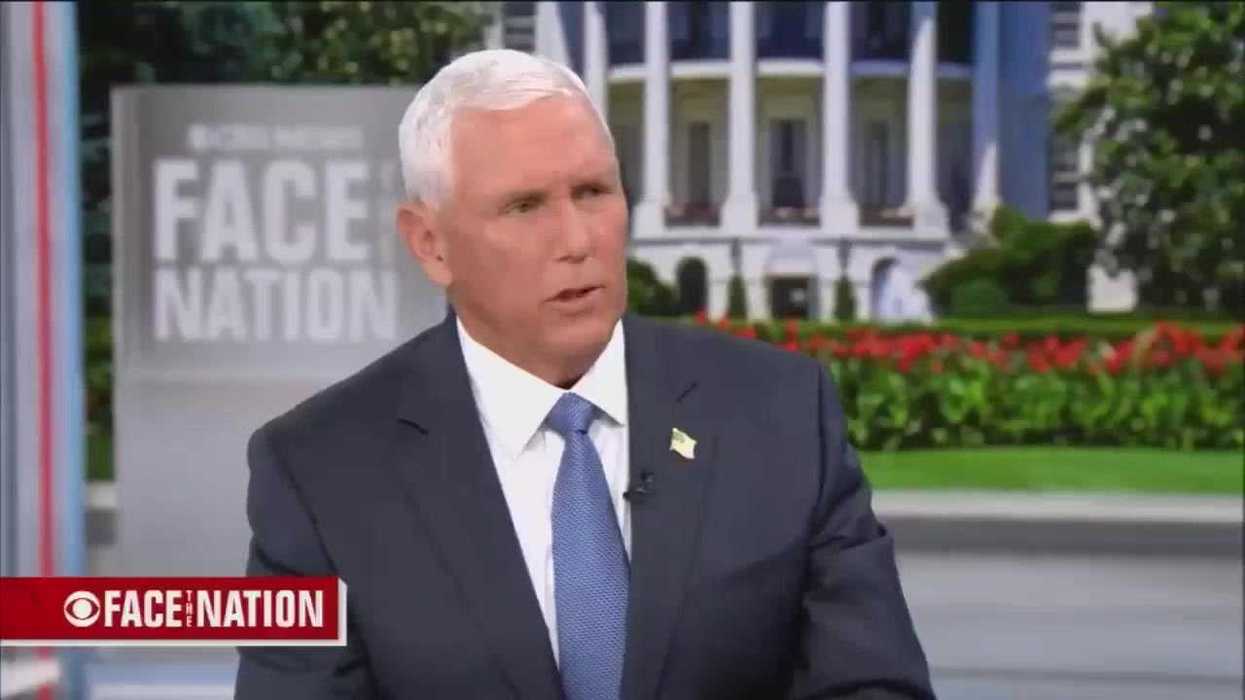
Mike Pence denounces $1.8 billion 'Anti-Weaponization Fund' and calls it 'totally unacceptable'
CBS
A significant political impasse continues to grip Washington as Senate Republicans return this Monday, having left the capital 10 days ago without approving legislation crucial for funding President Donald Trump’s immigration enforcement agencies.
The unresolved standoff stems from a contentious $1.776 billion settlement fund, which senators are demanding be subjected to clear parameters before they will back the Homeland Security spending bill.
Republicans assert they lack the necessary votes to pass the legislation unless the White House collaborates with them to define the scope of this new fund, designed to compensate Trump’s allies. Despite a judge temporarily halting any payouts, Trump has shown little inclination to engage in such discussions.
The path to resolving this dispute remains unclear. Senate Majority Leader John Thune, speaking before the Senate’s recess on 21 May, emphasised the need for the Trump administration to "come up with some suggestions and ideas."
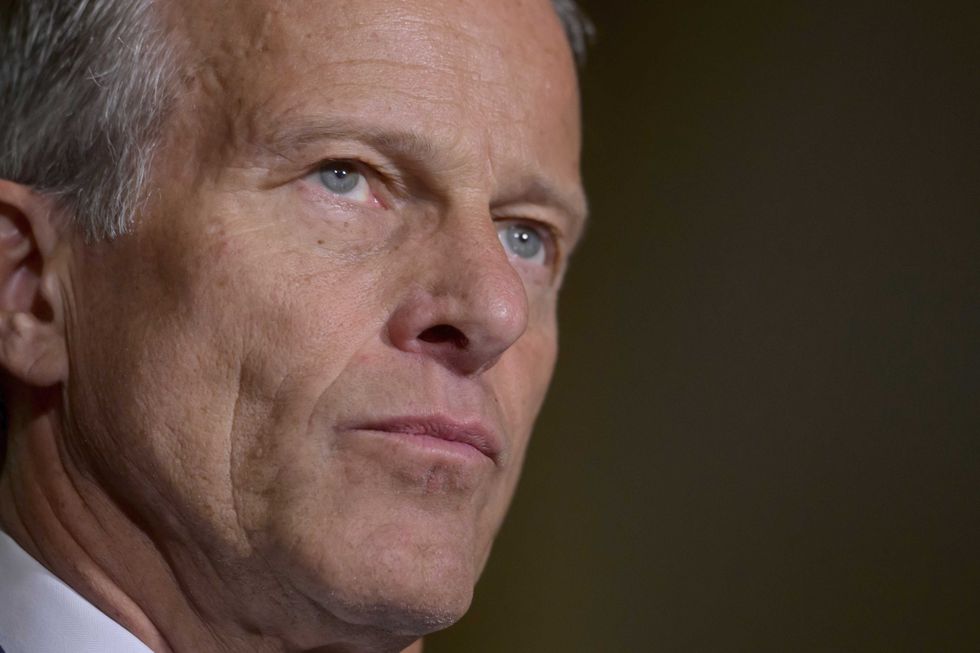 Senate Majority Leader John ThuneAP Photo/Rod Lamkey, Jr.
The South Dakota senator highlighted concerns that the settlement money, which could potentially benefit individuals who assaulted police and attacked the Capitol on 6 January 2021, "just makes everything way harder than it should be."
This deadlock over what some term an "anti-weaponisation" fund could prove a pivotal moment for Republicans, who are striving to maintain their majority in this year’s elections and advance their legislative agenda.
The tension is exacerbated by Trump’s ongoing campaign to unseat GOP lawmakers he perceives as disloyal, including some of Thune’s most reliable votes within the narrowly divided 53-47 Senate.
The political climate has already seen Senators Bill Cassidy of Louisiana and John Cornyn of Texas lose their re-election bids in May after Trump endorsed their primary opponents, raising questions about their future support for the president’s agenda.
A growing number of Republican senators are expressing frustration with Trump, who they believe is disregarding their political needs. "I think it’s hard to divorce anything that happens here from what’s happening in the political atmosphere around us," Thune remarked.
Democrats, meanwhile, have announced plans to introduce several amendments to the immigration bill, aiming to scale back or entirely eliminate the settlement fund.
Senate Minority Leader Chuck Schumer of New York declared in a letter to colleagues on Monday morning that Democrats would launch "a coordinated effort to kill the slush fund before one cent goes out the door." He added, "No matter what Republicans do, we will force them to vote on it."
Despite the mounting anger among Senate Republicans, Trump has indicated he is not overly concerned. Last week, during a discussion about the Iran war, he stated, "I don’t care about the midterms."
In a closed-door meeting with acting Attorney General Todd Blanche before the recess, Republican senators delivered what amounted to an ultimatum: either impose limits on the settlement fund, or they would do so themselves.
GOP senators have been exploring various methods to curb the fund, including restricting eligibility for payouts, altering the composition of the commission overseeing settlement decisions, introducing judicial review for applicants, or scrapping the fund entirely.
While they prefer the White House to make these changes independently, Republicans have discussed attaching parameters to the unrelated immigration enforcement measure.
However, there were few signs of progress over the Memorial Day recess. Senator Todd Young of Indiana told The Associated Press last week that he had seen no indications "that would suggest they sent us a plan that our leadership thought was acceptable."
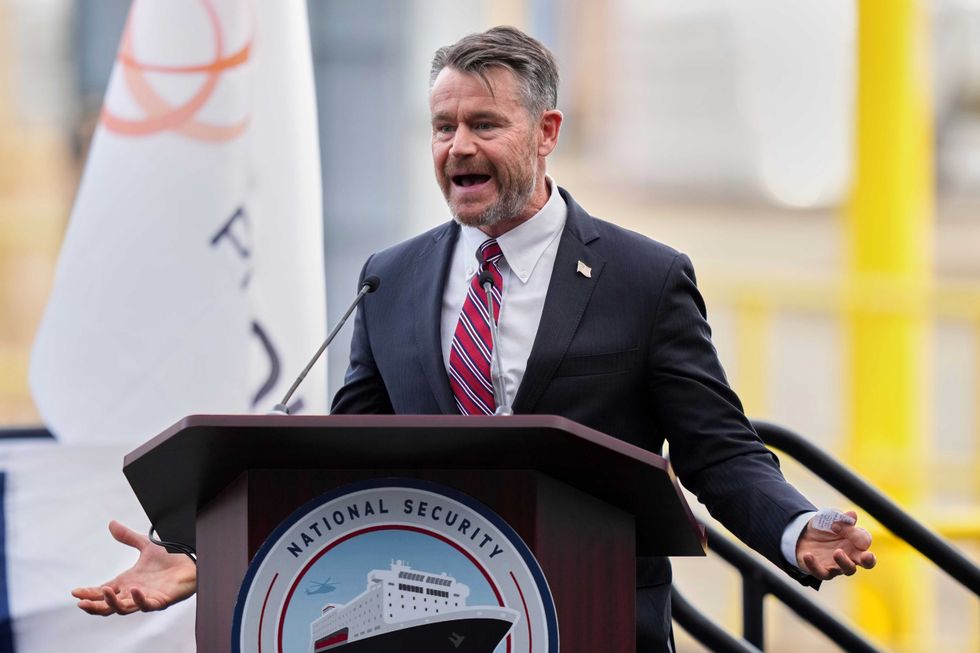 Sen. Todd YoungAP Photo/Matt Slocum
Young concluded, "It’s in their court."
Senator Bill Hagerty of Tennessee, speaking on Fox News Channel's "Fox News Sunday," confirmed ongoing discussions "to get to something that’s going to work," adding, "I think there were just more details and more questions last week that needed to be resolved.
I’m looking forward to seeing the details this coming week."
Acting Attorney General Blanche told the AP in an interview on Thursday that "a lot of the questions will be answered in the short term," but declined to elaborate, stating that "talking in hypotheticals is something that I don’t think is fair to the process."
Senator Ted Cruz of Texas described Blanche’s meeting with senators before the recess as "angry" on his podcast. Cruz reported that of approximately 45 Republican senators present, "at least half of them were blasting the attorney general."
The Senate had initially planned to remain in session late that night to vote on the immigration spending bill, but leaders cancelled votes, sending everyone home.
Cruz recounted that Republican senators were "yelling" and told Blanche that the fund, part of a settlement resolving Trump’s lawsuit against the IRS over the leak of his tax returns, "feels like self-dealing" and "feels like Trump cut a deal with himself."
Cruz, who supports the fund, noted that Democrats had threatened amendments to kill it, meaning Republicans "would have lost every vote" had they stayed in session. He predicted, "we will see the administration announcing at a minimum a modification of this, because if they don’t, they’ve got a full-on revolt in the Senate."
Regarding concerns about Jan. 6 defendants, Cruz stated that Blanche had reassured senators that no one who committed violence or assaulted law enforcement would receive a payout.
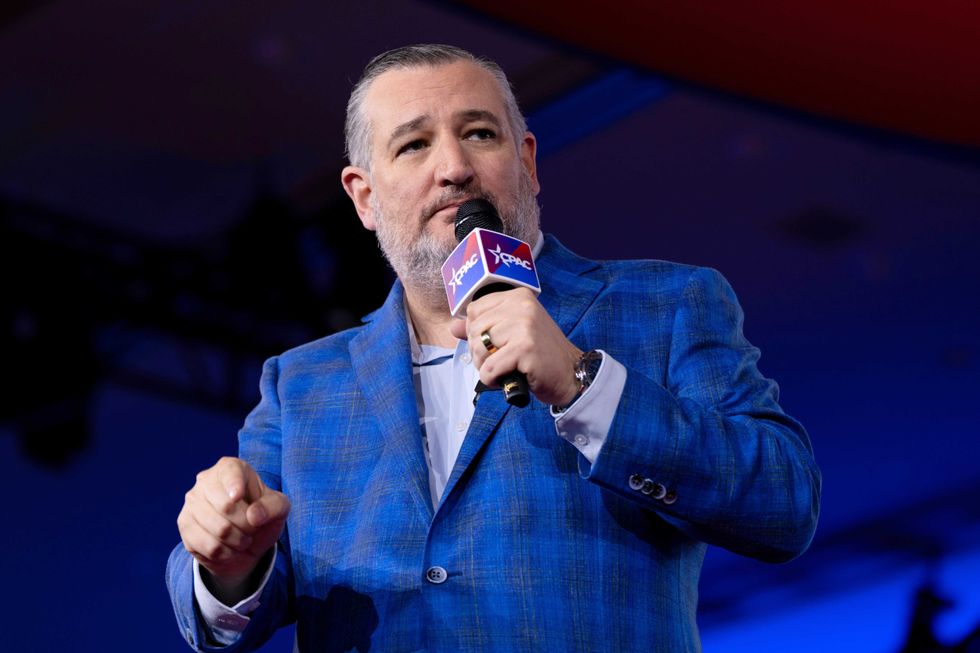 Sen. Ted CruzAP Photo/Gabriela Passos
However, Blanche has consistently declined to make this public, telling the AP that "there is no limit to who can apply." When pressed on defining violent individuals from Jan. 6, Blanche suggested it was complex: "Who is it? I mean, you tell me, right? You have to define something and then stick to it. So that’s something I’ve been hesitant to try to do because it’s very fact-intensive."
Trump has pardoned over 1,500 defendants charged and prosecuted in the 2021 attack, including hundreds convicted of violently assaulting police during the Capitol breach.
This division over the settlement fund follows Republicans’ earlier decision to abandon $1 billion in security funding for the White House, including for Trump’s new ballroom, amidst questions from Democrats and some Republicans about using taxpayer money for such a project during economic hardship. Beyond the settlement, Democrats had intended to force Republican senators to vote on the ballroom funding.
The legislation still includes funding for Immigration and Customs Enforcement and Border Patrol, which Democrats have blocked for months in protest of the administration’s immigration enforcement crackdown.
Republicans are employing a complex budget manoeuvre known as reconciliation to fund these agencies through the end of Trump’s term without Democratic support, though this requires GOP unity and Trump’s eventual signature.
Democrats express hope that their Republican colleagues will continue to challenge the White House. Senator Gary Peters of Michigan last week called the settlement fund "probably one of the most corrupt things that we’ve ever seen an American president do."
He added, it is "a bridge too far for some of my Republican Senate colleagues. I hope they realise that what was done is simply unacceptable and that they’ll stand firm."
Top 100