The Conversation (0)
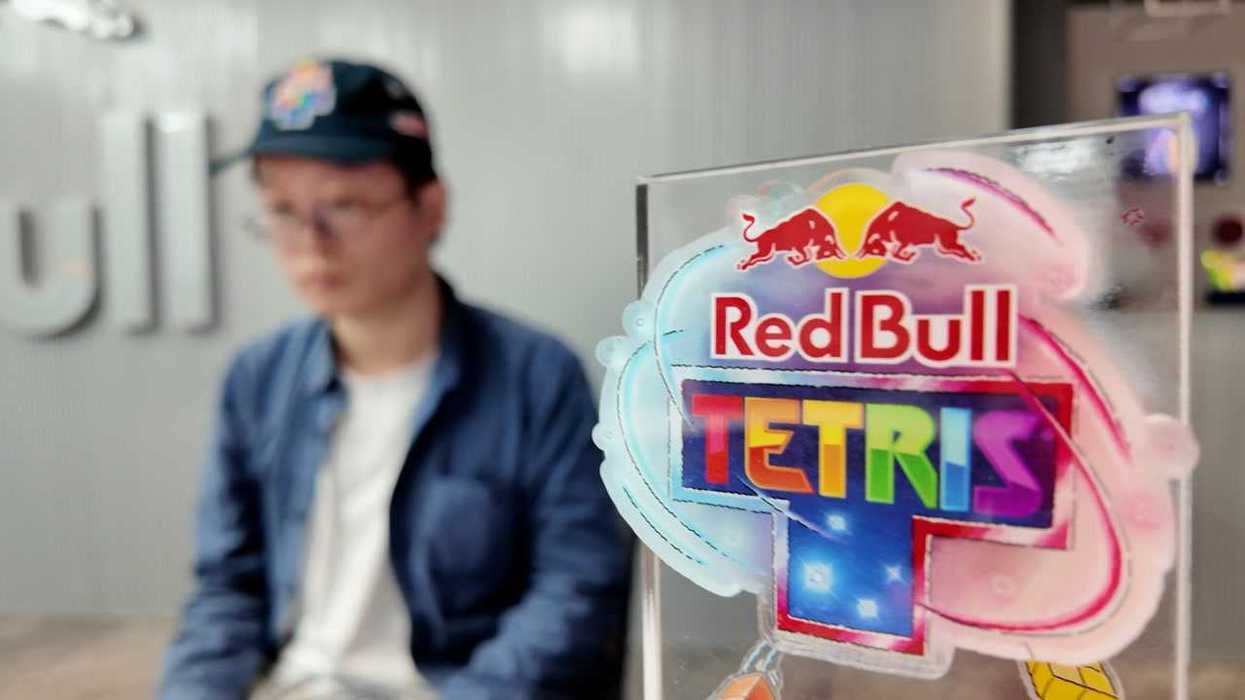
Taiwan's Top Red Bull Tetris Player Gears Up for Dubai Final
TaiwanPlus / VideoElephant
Playing the classic puzzle game Tetris could significantly reduce distressing memories following traumatic experiences, a new study has revealed. Healthcare workers who engaged with the game as part of their treatment reported experiencing fewer flashbacks, offering a novel approach to mental health support.
Researchers from the UK and Sweden conducted a trial involving 99 NHS staff members who had been exposed to trauma at work, such as witnessing deaths, during the Covid-19 pandemic. Forty of these participants received a specific treatment known as imagery competing task intervention (ICTI), which incorporated playing Tetris.
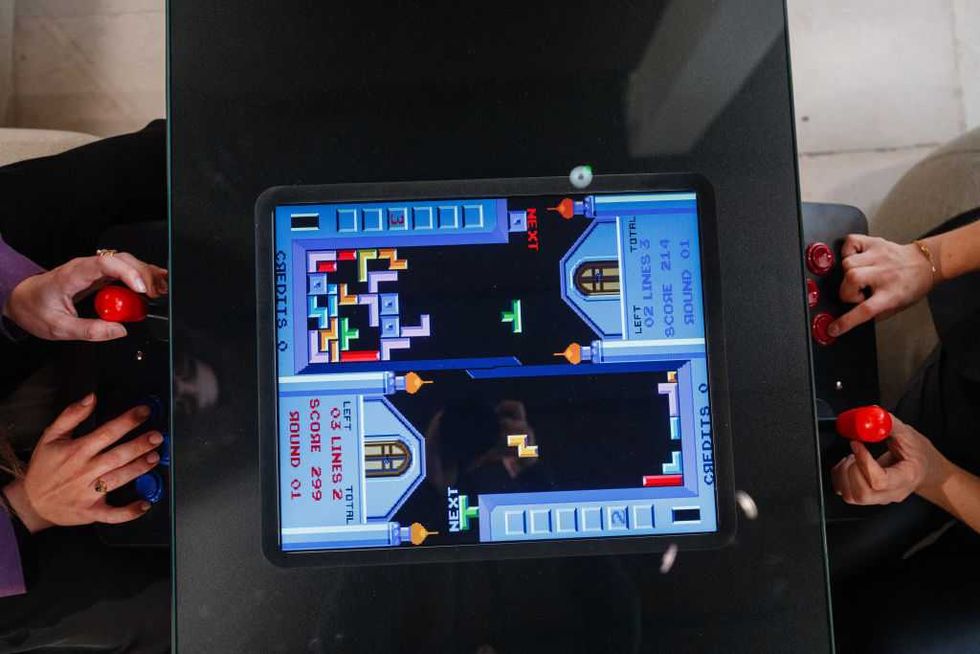
The ICTI method involved participants playing a slow version of the popular game while briefly recalling a traumatic memory. They were then instructed to use their "mind’s eye" to imagine the Tetris grid and visualise the falling blocks. This technique is believed to weaken the vividness of intrusive memories by engaging the brain’s visuospatial areas, which are responsible for analysing and understanding physical space.
Professor Emily Holmes, a psychology expert at Uppsala University who led the study, explained the mechanism. "Even a single, fleeting intrusive memory of past trauma can exert a powerful impact in daily life by hijacking attention and leaving people at the mercy of unwanted and intrusive emotions," she said. "By weakening the intrusive aspect of these sensory memories via this brief visual intervention, people experience fewer trauma images flashing back."
The remaining participants in the study either listened to music by Mozart and related podcasts to alleviate stress, or received standard treatment. Published in The Lancet Psychiatry, the study found that those who underwent the ICTI treatment experienced 10 times fewer flashbacks compared to the other groups within just four weeks. Remarkably, after six months, approximately 70 per cent reported having no intrusive memories at all, with the treatment also helping to alleviate symptoms of post-traumatic stress disorder (PTSD).
 Getty
Getty
Professor Holmes expressed delight at the findings. "We are delighted to have made a real breakthrough by showing this intervention works," she stated. "It is far more than just playing Tetris, and while it is simple to use, it’s been a complicated process to refine and develop." She added that the intervention focuses on mental imagery, not words, and is designed to be gentle, brief, and practical. The team hopes to expand their research to determine its effectiveness for a broader range of people and scenarios.
Charlotte Summers, director of the Victor Phillip Dahdaleh Heart & Lung Research Institute and professor of intensive care medicine at the University of Cambridge, highlighted the importance for healthcare workers. "Every day, healthcare workers across the world are recurrently exposed, to traumatic events in the course of their work, impacting the mental and physical wellbeing of those who care for us when we are unwell," she said. "At a time when global healthcare systems remain under intense pressure, the discovery of a scalable digital intervention that promotes the wellbeing of health professionals experiencing work-related traumatic events is an exciting step forward."
The research team is now exploring ways to test ICTI on larger and more diverse groups, alongside investigating options for a non-guided version of the game. Tayla McCloud, research lead for digital mental health at Wellcome, which funded the study, praised the intervention's potential. "These results are impressive for such a simple to use intervention," McCloud commented. "If we can get similarly strong results in bigger trials, this could have an enormous impact. It’s rare to see something so accessible, scalable and adaptable across contexts. It doesn’t require patients to put their trauma into words and even transcends language barriers."
Top 100