The Conversation (0)
Here's What It Was Like For Prisoners In Ancient Rome
Grunge / VideoElephant
Ancient Romans may have used poo for medicine (yes, really), according to a new study.
The discovery was made in Turkey by scientists after they discovered "dark brownish flakes" in a 1,900-year-old bottle that was long and thin in shape and typically used for perfume or makeup.
Sealed with clay, the bottle was found in the ancient city of Pergamon, near the modern-day town of Izmir in western Turkey.
After some testing, the team, led by Professor Cenker Atila, an archaeologist at Sivas Cumhuriyet, discovered these flakes were in fact human poo.
You might be thinking, what about the smell?
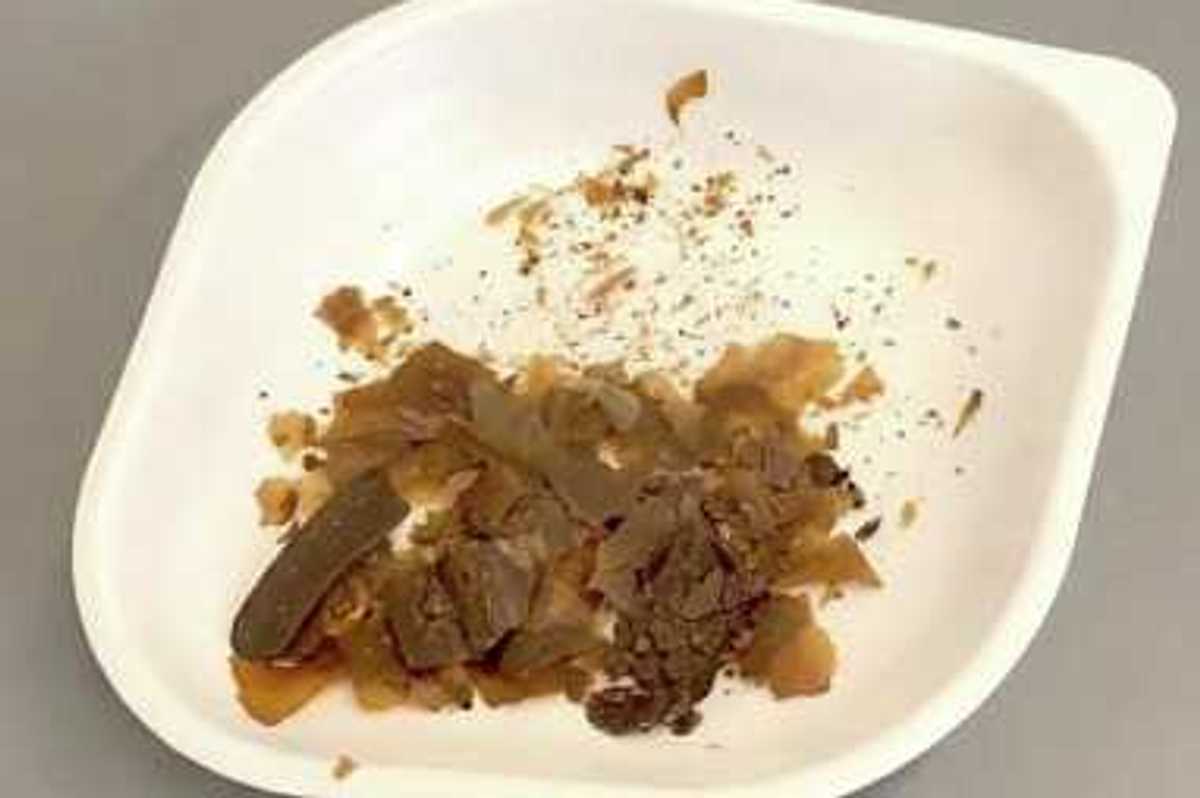 Atila et al., Journ. Arch. Sci. Rep., 2026
Well, researchers also noted how there were aromatic compounds, a substance called carvacrol that is found in herbs such as thyme, so it was thought to be used to mask the stench, like an ancient air freshener.
Poop as medicine might sound like a strange (and gross) concept, but back in the days of Ancient Rome, it was often advised by physicians such as Galen of Pergamon, Hippocrates, and Pliny the Elder.
Usually, poo from animals was suggested to help with health issues, such as inflammation, infection, and reproductive disorders, as per medical texts in those times.
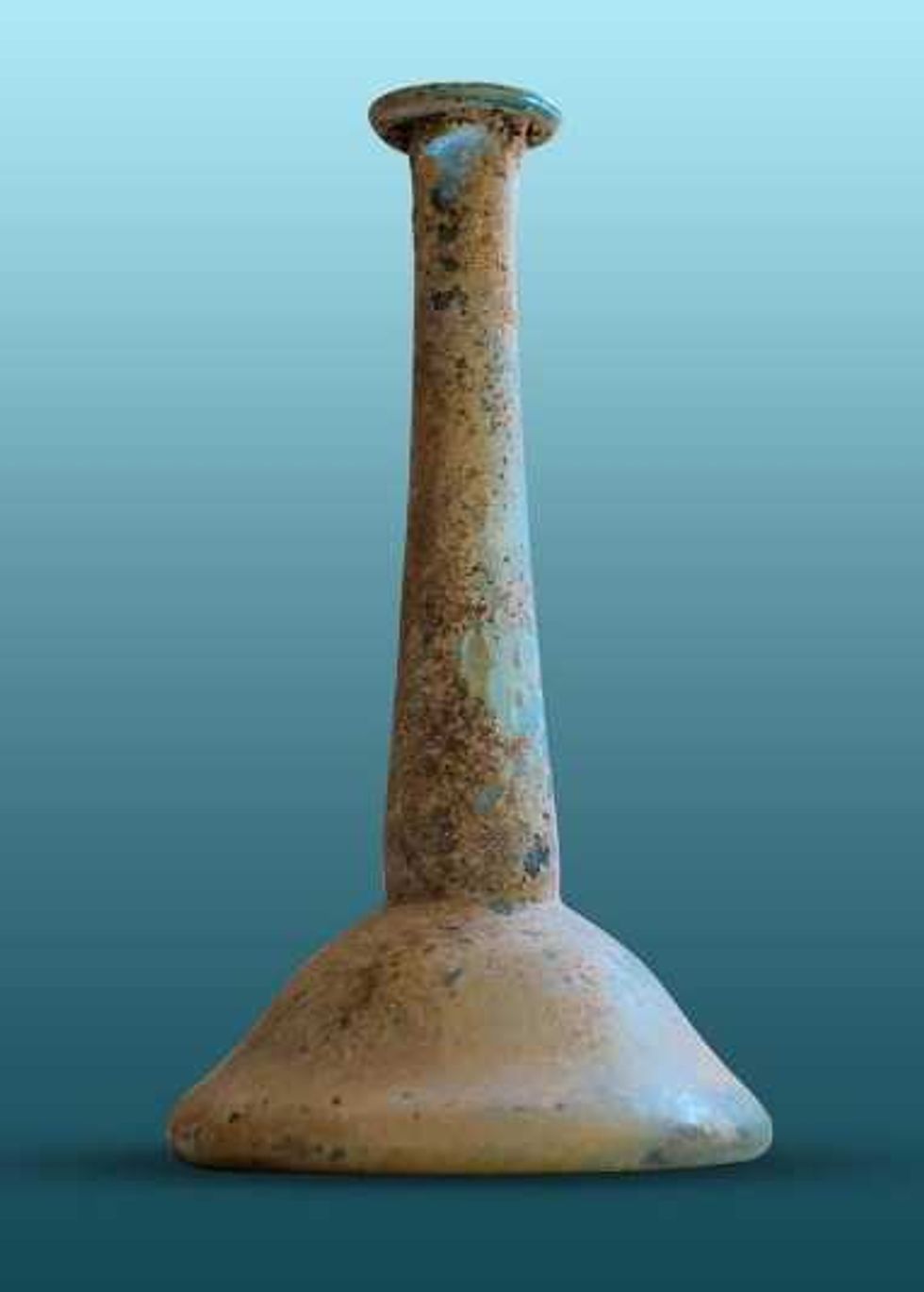 The 1,900-year-old bottle the human poo was discovered in by scientistsAtila et al., Journ. Arch. Sci. Rep., 2026
According to the historical documents, it appears that human faeces was used for "olfactory pharmacology", in other words, as a kind of topical treatment to treat inflammation or infection.
"Despite this wealth of textual evidence, direct material confirmation of fecal-based remedies in Roman medicine remains exceptionally rare," archaeologist Cenker Atila, of Sivas Cumhuriyet University, and colleagues wrote in their paper, published in Journal of Archaeological Science.
They added, "Ancient sources make clear that the boundaries between cosmetic and medicinal usage were fluid, and that unguents often blurred distinctions between healing, hygiene, and magic."
Elsewhere from Indy100, Ancient rock contained crucial message for humans 12,000 years ago, and How ancient teeth could tell us more about prehistoric human evolution.
How to join the indy100's free WhatsApp channel
Sign up to our free indy100 weekly newsletter
Have your say in our news democracy. Click the upvote icon at the top of the page to help raise this article through the indy100 rankings.
Top 100