The Conversation (0)
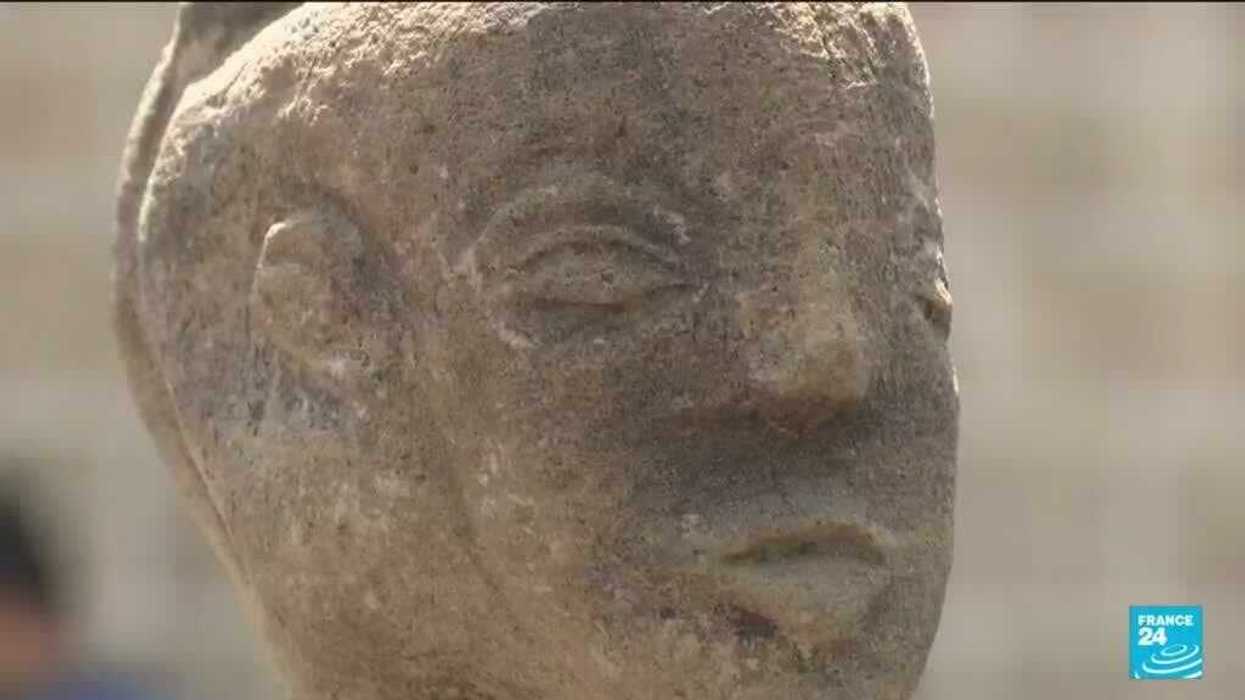
4,500-year-old stone statuette of an ancient goddess found in Gaza
FMM - F24 Video Clips / VideoElephant
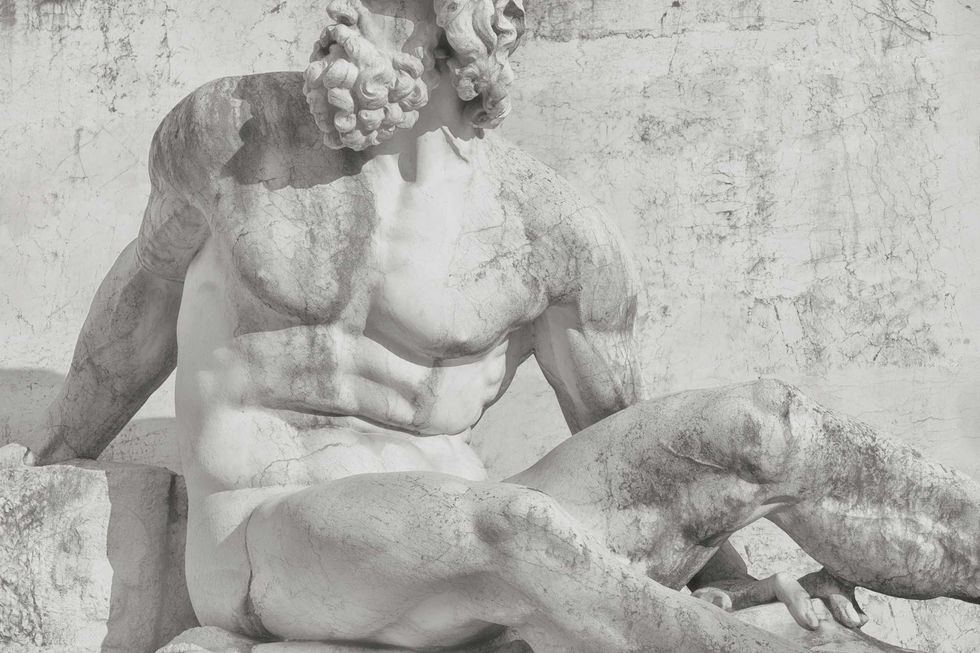
Rather than just being an awkward talking point with your family, there’s a reason why so many statues depict the human body nude - and it’s rooted in ancient traditions and culture.
According to Associate Professor of Art History at the University of South Carolina, Anna Swartwood House, possibly some of the most influential male nude statues come from ancient Greece in the sixth century B.C.E. In this culture, nudity was seen as a kind of costume, or outfit, worn in certain situations.
Figures within the society, everyone from gods to athletes and warriors, were depicted by artists nude. In those times, athletes would train and compete nude, and the athletic male form was seen as a sign of beauty and excellence. So much so that nude statues of young men, known as kouroi, were used as grave markers and offerings to the gods.
Ideas around beauty and the nude human form were central to the famous Spear Bearer statue, created by the sculptor Polykleitos around 2,400 years ago. Polykleitos believed beauty was defined as the mathematical harmony of parts, and the statue had what were considered the ideal proportions.
 iStock
The European Renaissance (approximately around 1400-1600 C.E.) and neoclassicism (approximately 1750-1900 C.E.) helped to bring back the idea of nudity in heroism, which in time helped it to become part of Western culture and art.
The rediscovery of ancient statues from the Roman Empire inspired artists of the time. Around the 1500s, training artists used nude live models to hone their sketching skills.
As for women, the most famous Greek female nude statue, the “Aphrodite of Knidos” by the sculptor Praxiteles, was revolutionary for its time.
Prior to this, female nudity in Greece was seen as inappropriate and only started to become popular in statues in the fourth century B.C.E.
Why not read…
- 'Nike trainer' spotted in 17th century painting
- Mystery hidden in Leonardo Da Vinci's work 'finally discovered'
- Ice sculpture of 'Democracy' melts on Washington DC's National Mall
Sign up to our free indy100 weekly newsletter
Have your say in our news democracy. Click the upvote icon at the top of the page to help raise this article through the indy100 rankings.
Top 100