The Conversation (0)
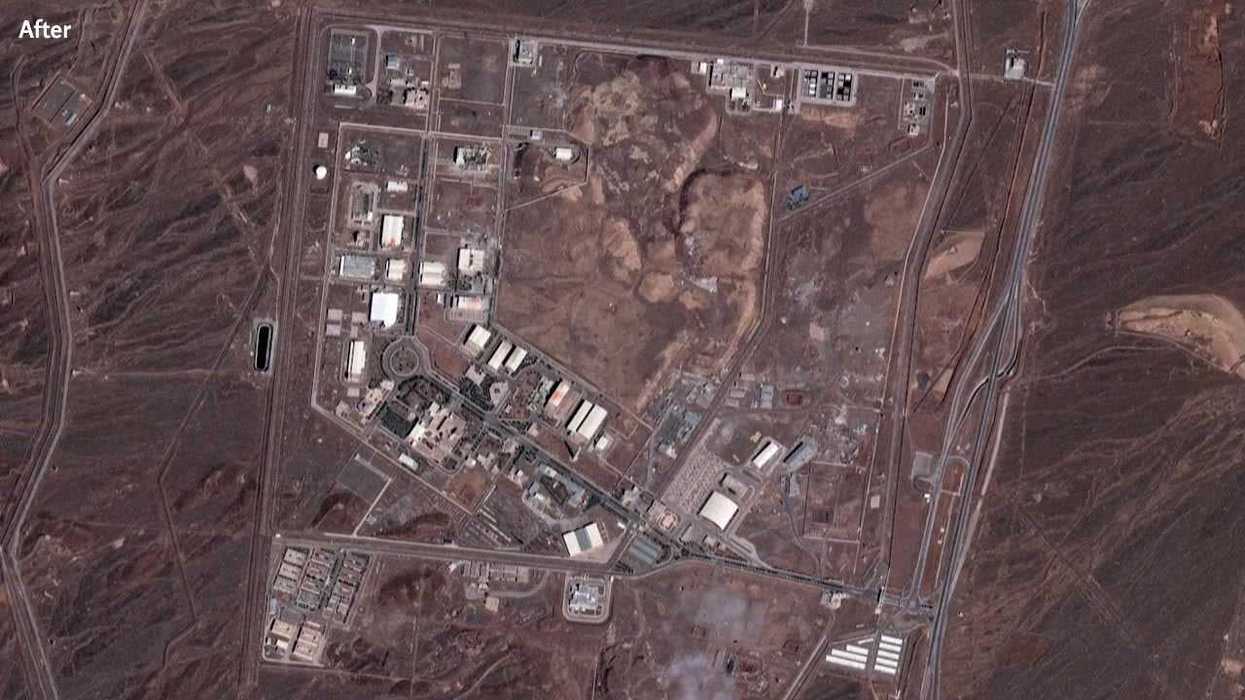
Satellite images appear to show missile strikes at Iranian nuclear facility
Reuters
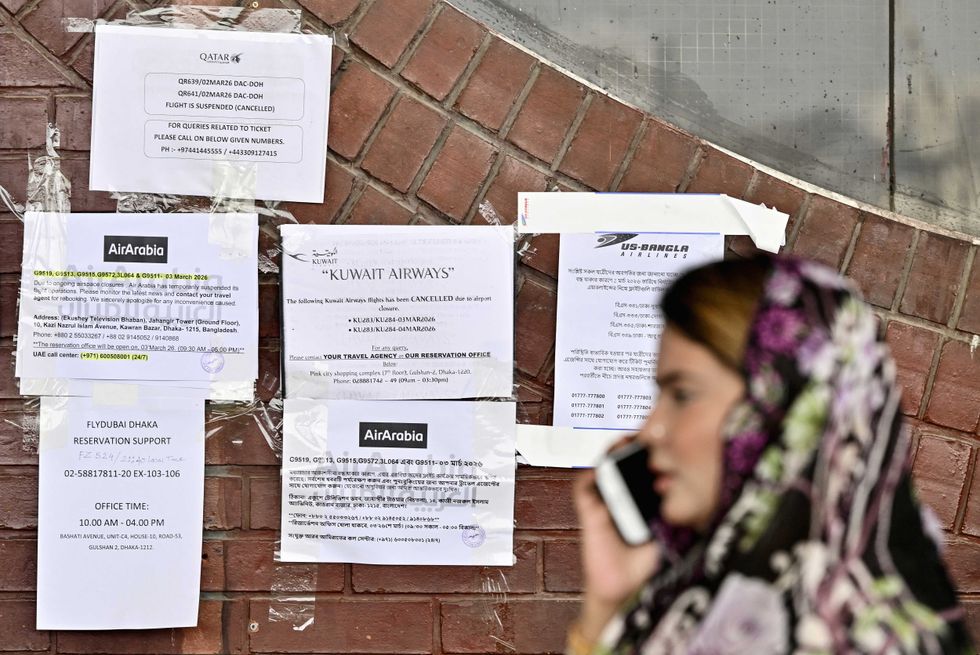
British nationals remain stranded across the Middle East as the vast majority of flights from the region continue to be cancelled, although a handful of services are scheduled to bring passengers back to the UK on Tuesday.
Emirates plans to operate two flights to London Heathrow and one each to Gatwick and Manchester. Some of these will utilise the airline’s A380 jets, capable of carrying up to 615 passengers.
Typically, Emirates runs 146 weekly flights to the UK, averaging around 21 departures daily. Etihad Airways has also scheduled a single flight from Abu Dhabi to Heathrow on Tuesday, using a Boeing 787-10 Dreamliner with 336 seats.
However, these limited services are overshadowed by widespread cancellations. British Airways has axed its timetabled flights to Heathrow from Abu Dhabi, Amman, Bahrain, Doha, and Dubai. The airline issued a statement to passengers, saying: "We are closely monitoring the situation and have cancelled a number of our flights to the Middle East.
 PA
PA
Safety is always our top priority and we would never operate a flight unless it was safe to do so." Passengers with bookings on certain routes up to 15 March are being offered the option to amend their travel date to on or before 29 March. Virgin Atlantic also cancelled a flight from Dubai to Heathrow, while Qatar Airways confirmed its operations remain suspended due to the closure of Qatari airspace.
The extensive disruption stems from widespread airspace closures across the Middle East, triggered by the ongoing conflict between Iran and the US and its allies. This has severely impacted vital travel hubs such such as Dubai, Doha, and Abu Dhabi, which collectively serve approximately half a million passengers daily for connections between Europe, Asia, and Australia.
UK-based aviation consultant John Strickland warned that clearing the resulting backlog of passengers could take weeks. Speaking to the Press Association, he stated: "It’s a bit uncertain (when that will happen) because of course it will depend on how long the airspace restrictions remain in place. But factoring in the high volumes of normal daily traffic and the high capacity of aircraft such as the A380 and the Boeing 777, plus the fact that other flights covering similar routes operate at high occupancy, then it will certainly be quite a period of time which would likely run into weeks."
Top 100