







The Conversation (0)
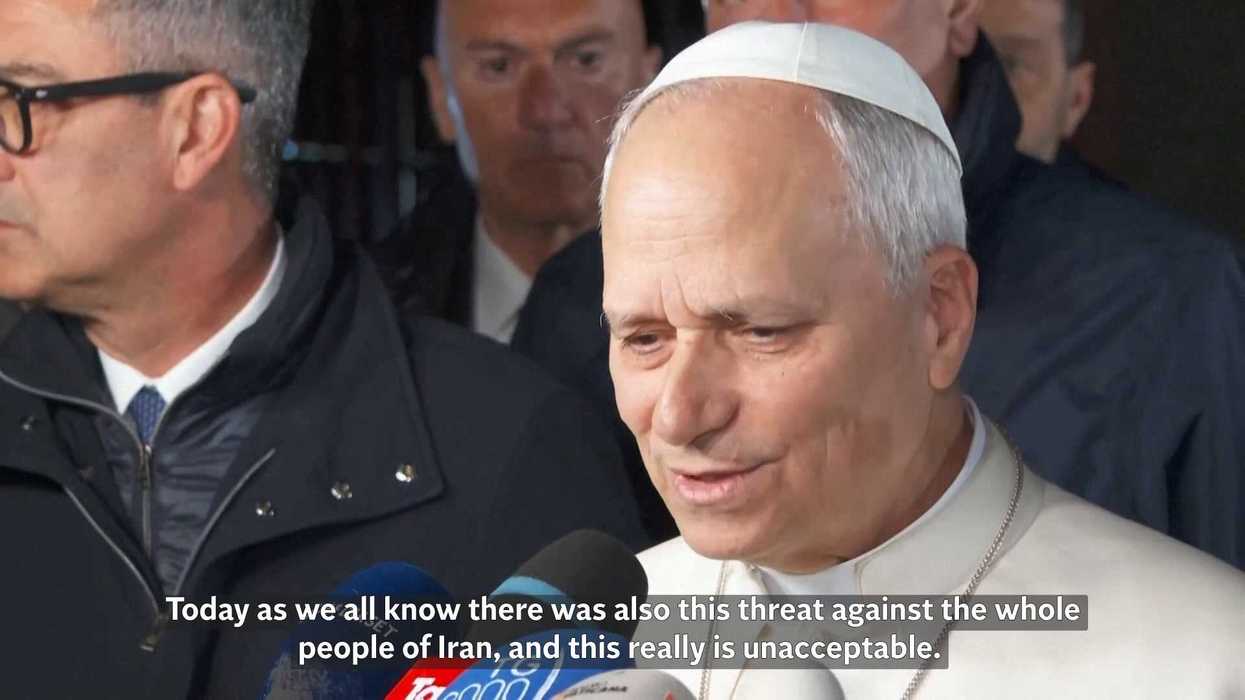
Pope Leo says Trump threats against Iran are 'unacceptable'
AP
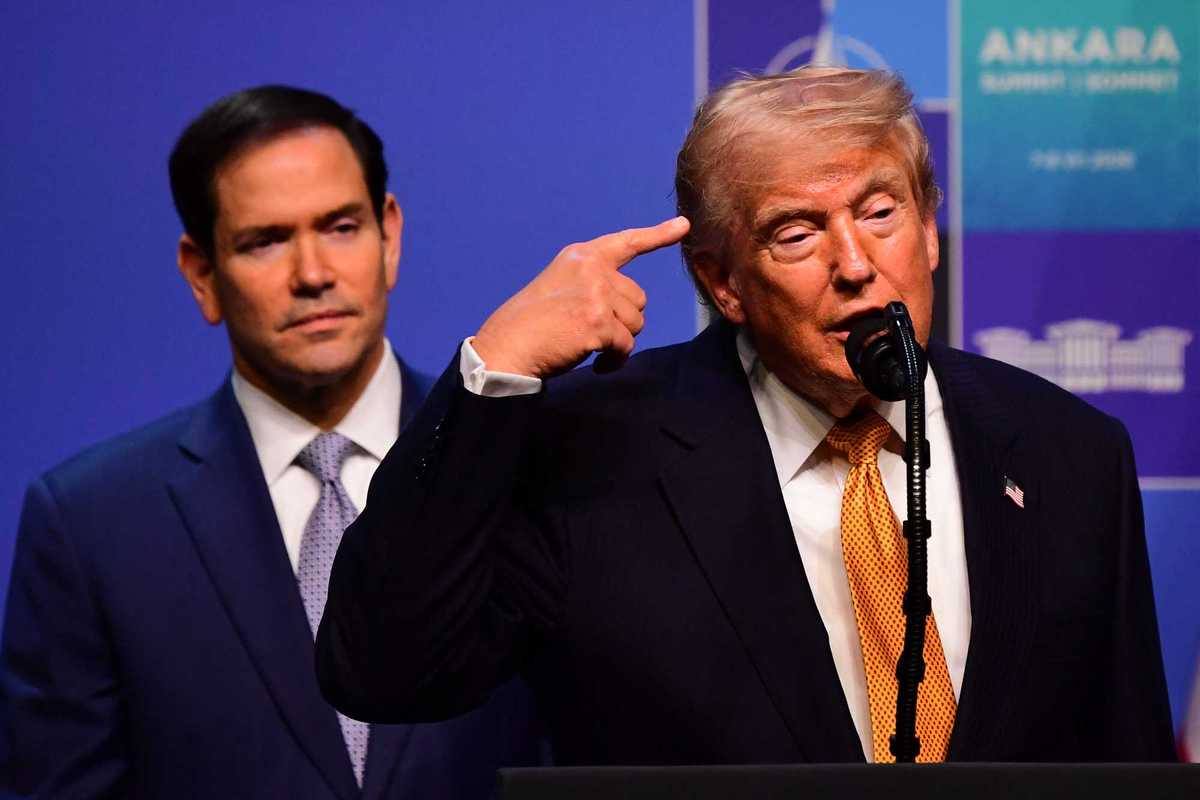
Donald Trump's recent pronouncements regarding his administration's intentions for Iran, some laced with profanity and others threatening profoundly destructive, nation-shattering actions, have sparked serious questions regarding international law.
His statements have led legal experts to consider whether such actions could amount to war crimes. During a press conference on Monday, Mr Trump threatened to destroy every bridge and power plant in Iran. Military law experts suggest that such a far-reaching action could constitute a war crime, depending on whether the power plants were deemed legitimate military targets, if the attacks were proportional to Iran's actions, and if civilian casualties were minimised.
Mr Trump's threats appeared to disregard potential harm to civilians, prompting Democrats in Congress, some UN officials, and scholars in military law to assert that such strikes would violate international law. While his eventual actions often do not materialise to the extent of his rhetoric, his warnings about power plants and bridges were unambiguous on both Sunday and Monday, as he set a Tuesday night deadline for Iran to reopen the Strait of Hormuz.
On Monday, Mr Trump stated he was "not at all" concerned about committing war crimes as he continued to threaten destruction. He warned that every power plant would be "burning, exploding and never to be used again." He followed up on Tuesday morning with a stark threat on Truth Social: "A whole civilization will die tonight, never to be brought back again. I don’t want that to happen, but it probably will." Last month, shortly after the conflict began, Defense Secretary Pete Hegseth declared there would be "no stupid rules of engagement, no nation building quagmire, no democracy building exercise, no politically correct wars. We fight to win and we don’t waste time or lives."
A spokesperson for UN Secretary-General António Guterres warned on Monday that attacking such infrastructure is prohibited under international law. Stephane Dujarric stated that "Even if specific civilian infrastructure were to qualify as a military objective," an attack would still be prohibited if it risks "excessive incidental civilian harm."
Rachel VanLandingham, a Southwestern Law School professor and former judge advocate general in the US Air Force, highlighted the likely civilian deaths if power is cut to hospitals and water treatment plants. The retired lieutenant colonel remarked: "What Trump is saying is, ‘We don’t care about precision, we don’t care about impact on civilians, we’re just going to take out all of Iranian power generating capacity.’"
Shipping in the Strait of Hormuz, a vital chokepoint in the Persian Gulf through which 20 per cent of the world’s oil typically flows, has been largely halted, causing oil prices to soar and unsettling the stock market. Under the UN Charter, nations are only permitted to use force against another nation if authorised by the Security Council or in self-defence, according to Marieke de Hoon, an associate professor of international criminal law at the University of Amsterdam.
As the conflict entered its second month, Mr Trump escalated his warnings to bomb Iran’s infrastructure, including Kharg Island, central to Iran’s oil industry, and desalination plants that provide drinking water. In a Truth Social post on 30 March, Mr Trump warned that the US would obliterate "all of their Electric Generating Plants, Oil Wells and Kharg Island (and possibly all desalination plants!), which we have purposefully not yet ‘touched.’" On Easter Sunday, he threatened in an expletive-laden post that Iran would face "Power Plant Day, and Bridge Day, all wrapped up in one," adding that "you’ll be living in Hell" unless the strait reopens.
Michael Schmitt, a professor emeritus at the US Naval War College and an international law professor at the University of Reading, commented: "This strikes me as clearly a threat of unlawful action." He explained that a power facility can be attacked under the laws of armed conflict if it supplies electricity to a military base in addition to civilians. However, the strike must not "cause disproportionate harm to the civilian population, and you’ve done everything to minimise that harm." Schmitt, who has taught military commanders, clarified that harm does not include inconvenience or fear, but rather severe mental suffering, physical injury, or illness.