

The Conversation (0)
Will Weissert
Sep 01, 2026
Donald Trump Refuses To Rule Out Third Term As President.
unbranded - Newsworthy Vertical / VideoElephant
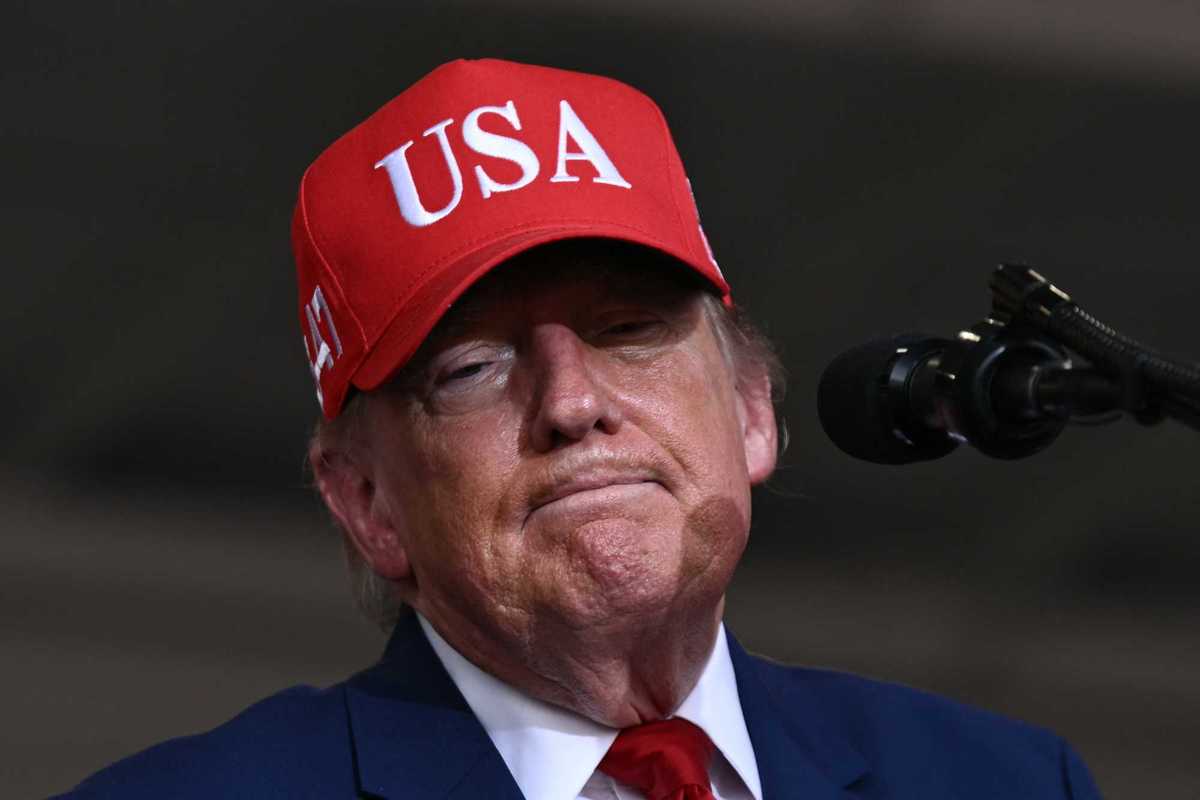
While President Donald Trump has frequently floated the prospect of a third term — sharing social media posts about another bid, sporting 2028 caps and speculating on how it could be achieved — he has simultaneously acknowledged the constitutional barriers preventing it.
Recently, however, the president has shown indications that even he may doubt another run will come to fruition.
In a series of recent public addresses, the Republican president has started sketching out a picture of life after his term finishes in January 2029. He has described being stuck at home, watching in frustration as his successor reaps the praise for his administration’s accomplishments.
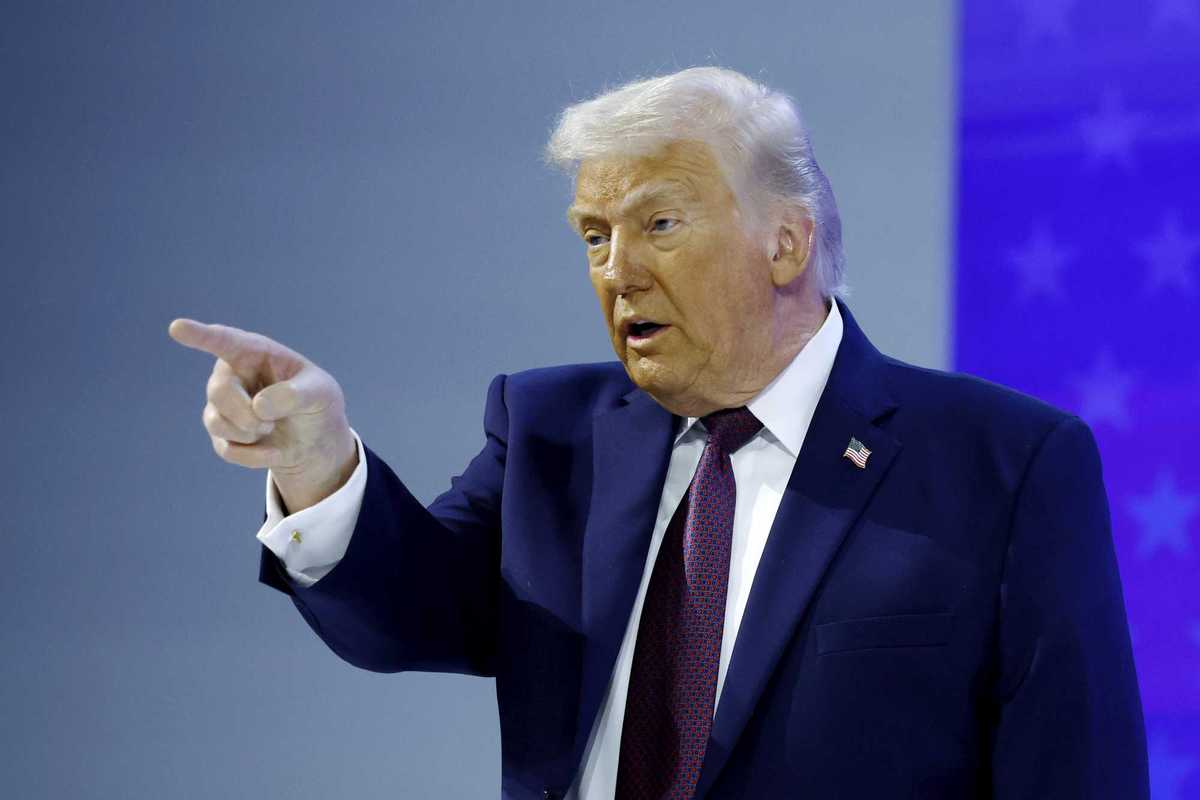
"Your next president is going to say, ‘What a great job I did,’" Trump told an event on Long Island, New York, this month. "He’ll be sitting around, watching television. A real stiff. Unless you vote Republican, of course."
It is always politically complex for a sitting president to openly discuss their post-White House life. Yet with the midterm elections approaching in just nine weeks, Trump is entering a period where reminders of his diminishing executive authority will become increasingly frequent.
Publicly contemplating an America without him in the Oval Office represents a notable shift. Ever since his initial term, and almost immediately following his second victory, Trump has persistently left open the possibility of remaining in office beyond eight years.
"He is all over the place," said Brian Kalt, a Michigan State University constitutional law professor. "And what that does is, it allows him to point to his own words to support any number of mutually exclusive things."
Trump can say, "’Oh yeah, I made it clear that I wasn’t gonna run,'" Kalt said. "Or, if he decides that he will, he could say, ’Well, you know, I never said I wouldn’t.’"
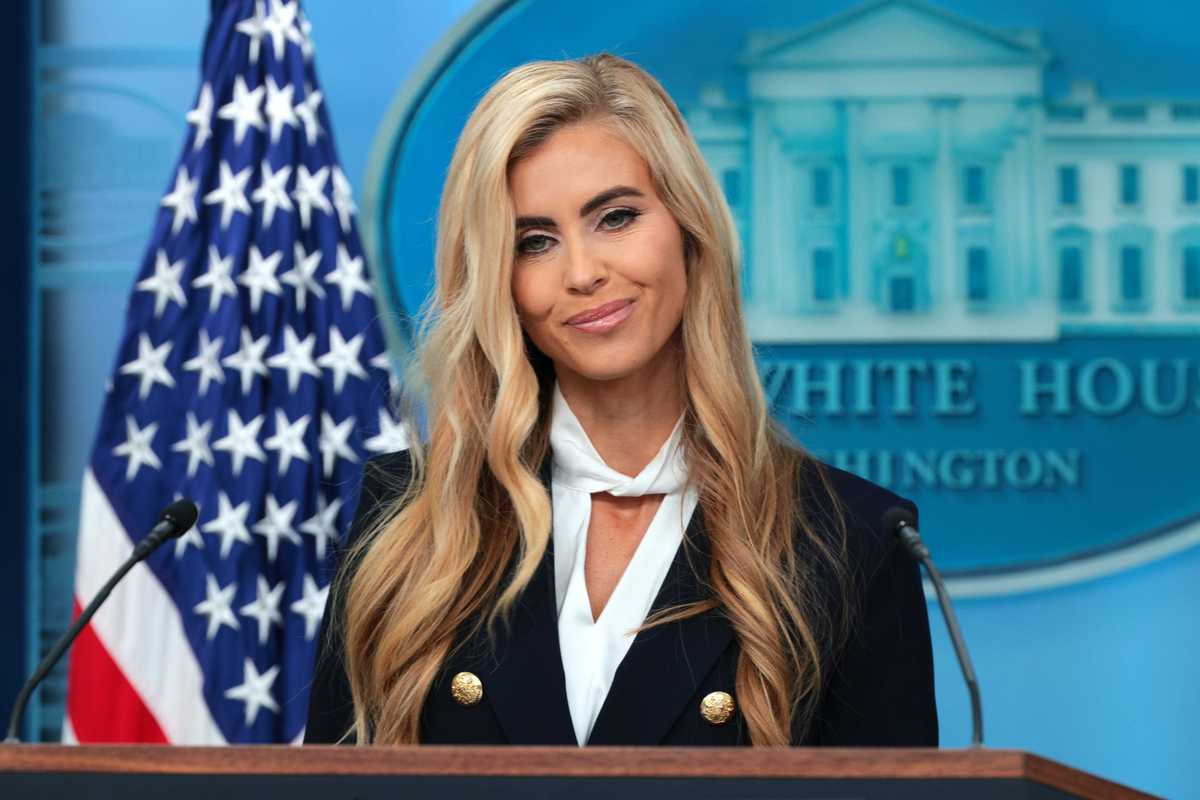
The White House has played down suggestions that the president is growing preoccupied with the ticking clock or his historical legacy. Spokesperson Olivia Wales insisted that he "is fighting every day" to meet commitments on reducing violent crime, securing the U. S-Mexico border and bringing down prescription drug prices.
"The only legacy President Trump is concerned with is making America greater than ever before," Wales said.
Nevertheless, references to how he will be remembered have featured heavily in his recent rhetoric.
Addressing a rally in Pennsylvania, he said: "Whoever the next president is, he's going to be talking about what a brilliant president he is. And I’ll be home. And I’ll be saying, ’That son of a gun,' because we did the job."
A week later in Georgia, Trump again pictured his retirement: "I’ll be sitting home."
"I may be crying," the president added, warning that a Democratic Senate victory combined with the removal of filibuster rules could allow his opponents to pass key legislation unchecked.
However, during an appearance in Michigan, Trump introduced an element of uncertainty over whether he was genuinely prepared to step aside and relocate to Florida.
"In two and a half years, you may have a different president — may," he told the crowd, putting deliberate emphasis on the word "may."
"I’ll be sitting home. I’ll be reading the papers. I’ll be watching television," Trump said, before directing a critique at his predecessor, President Joe Biden. "And I’ll be having some guy — like last time, a real idiot — stand up and say, ‘We are doing record business.'"
Even while hinting at an eventual exit, Trump has continued to tease the prospect of a 2028 reelection campaign.
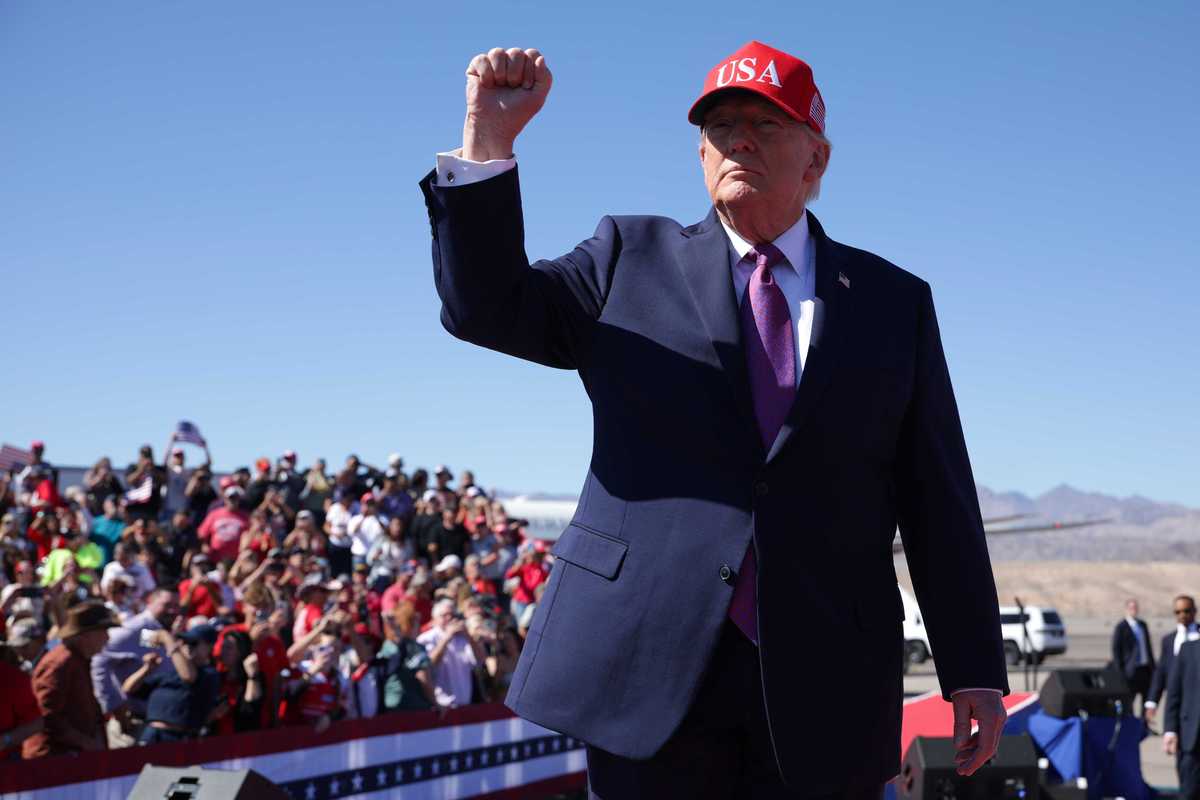
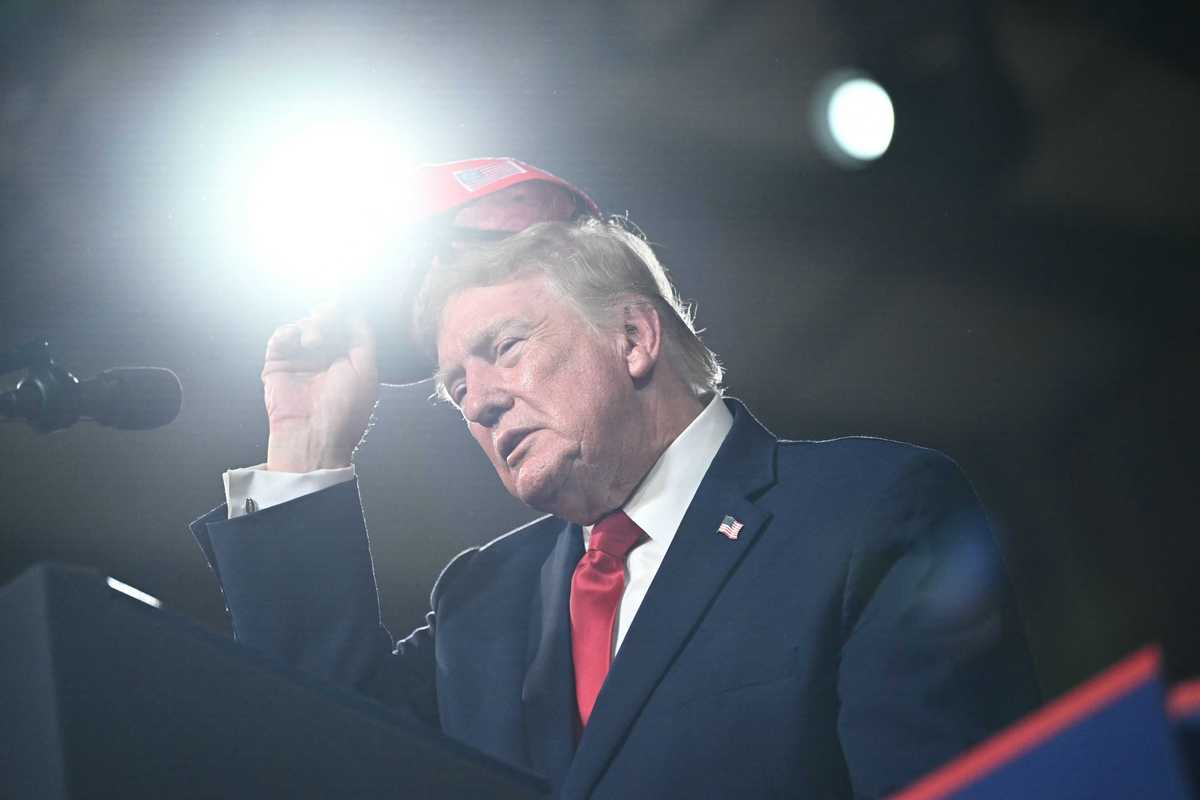
Speaking at the rescheduled White House Correspondents' Association dinner last month, Trump quipped: "Just like my presidency, the second time is always better" and that "the third time will be better yet. I’m only kidding." He subsequently put on a 2028 campaign cap to conclude his speech.
Under the 22nd Amendment of the US Constitution, no individual can be elected president more than twice. Ratified in 1951, six years after President Franklin Delano Roosevelt died during his fourth term, the amendment formalised the tradition established by George Washington of stepping down after two terms.
Yet within two months of returning to the White House, Trump asserted to NBC News that "there are methods which you could" employ to seek a third term.
He noted that one potential strategy involved running as vice president alongside Vice President JD Vance in 2028, after which Vance could step aside if the pair won.
"There are others, too," Trump said at the time, hinting at further options. He later told Time Magazine that "there are some loopholes," while adding that he did not believe in using them.
The president has since regularly shared posts on social media promoting "Trump 2028" logos featuring his slogan "Make America Great Again."
Conversely, Trump has on other occasions appeared resigned to the statutory prohibition, recently conceding to reporters: "I’d love to run, but the law is very strong."
Kalt, who explored the legal mechanisms of a two-term president seeking the vice presidency in his book Constitutional Cliffhangers: A Legal Guide for Presidents and Their Enemies, observed: "People do tend to find, in Trump’s words, whatever it is that they want to hear."
Second-term presidents typically experience a reduction in leverage during their final two years, particularly if midterm elections produce major legislative losses for their party. Yet Trump's comments may also indicate a focus on shaping his legacy — a shift common among modern American leaders.
"They all, particularly as they cross the midpoint of their second term, start thinking about legacy," said Paul Begala, a former adviser to President Bill Clinton.
"They all banish the word. I know Clinton and Bush, they said, ’Can’t use the L-word.' But they do," Begala recalled, referring to Clinton and President George W. Bush. "They all think about it. And the staff thinks about it and the Cabinet thinks about it."
During his final two years in office, Clinton concentrated heavily on negotiating a Middle East peace agreement. Bush adopted the phrase "sprint to the finish" during 2008, while Biden embraced a strategy to "run through the tape" after abandoning his reelection effort.
Trump has leaned into molding the White House and Greater Washington to reflect his personal aesthetic, harkening back to his career as a New York property developer during the 1970s and 1980s.
He has commissioned a towering arch near the Lincoln Memorial, overseen the restoration of city fountains, installed a Rose Garden patio and helipad on the White House lawn, and added extensive gold detailing throughout the historic building’s interior and exterior.
Work is also progressing rapidly on a vast ballroom that crews are rushing to finish despite legal challenges — a project the president says will only be completed late in 2028, shortly before he leaves office.
"It’s not for me, 'cause I’m going to be here a very short period of time" once construction finishes, Trump recently told reporters in the Oval Office. "I’ll be there for four, five, six months. This is for future presidents."