






The Conversation (0)
White House: Trump has met with team over Iran proposal to reopen …
Reuters
Hopes for a swift resolution to the two-month conflict in the Middle East have been significantly dampened after U.S. President Donald Trump expressed dissatisfaction with Iran’s latest peace proposal. The ongoing war has already caused widespread disruption to global energy supplies, fuelled inflation, and led to the deaths of thousands.
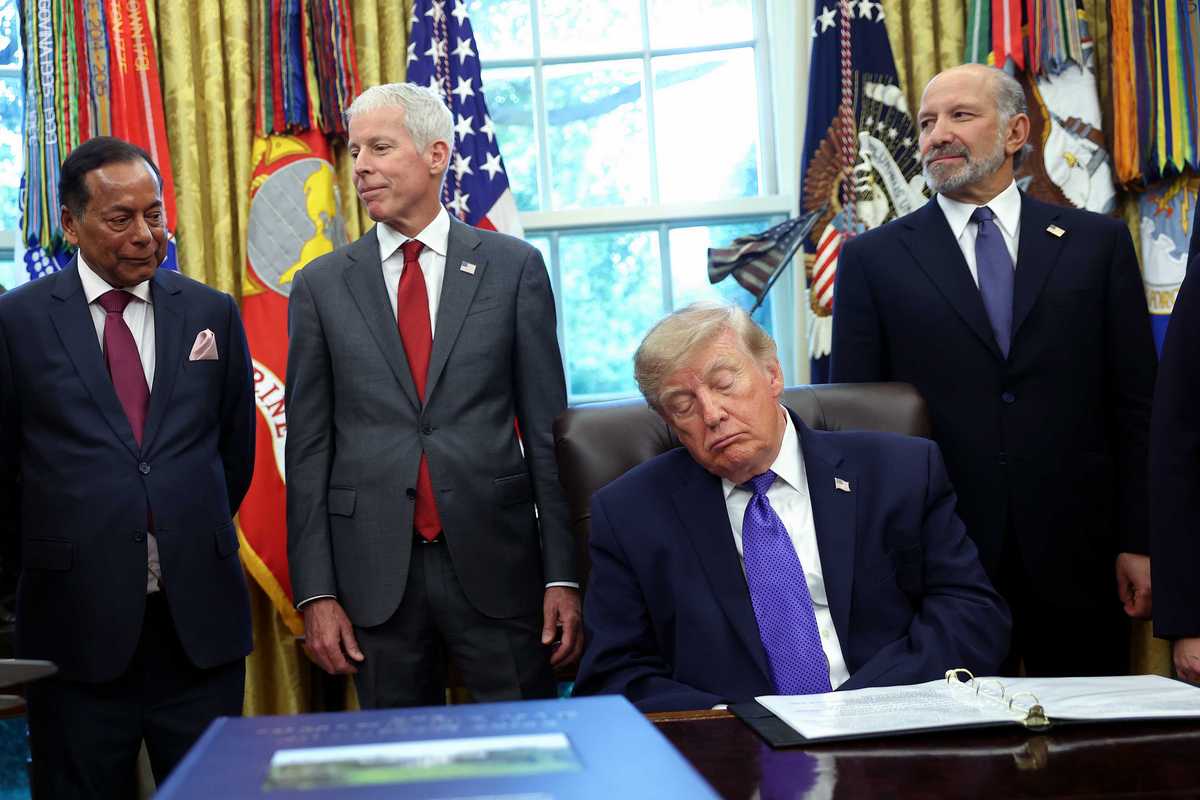
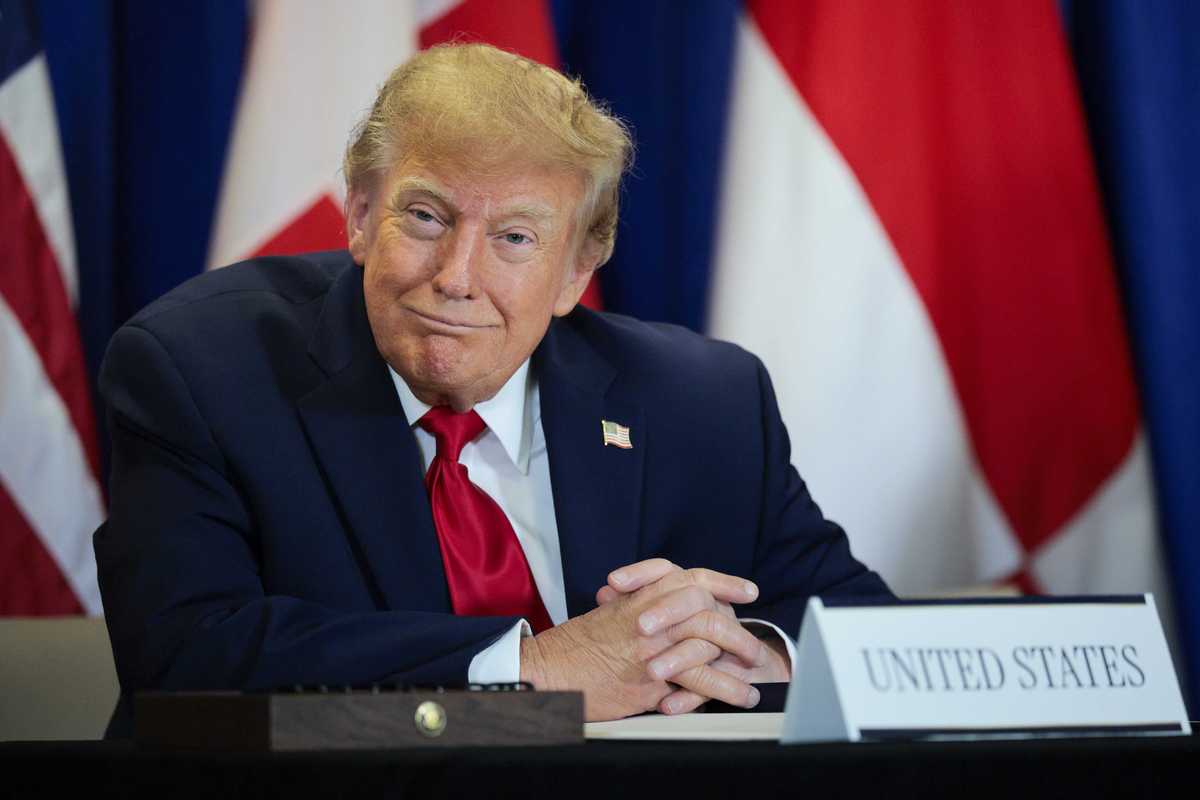
Iran’s recent offer suggests deferring discussions on its nuclear programme until the current hostilities, which are under a ceasefire announced earlier this month, have concluded and disputes over shipping in the Gulf are resolved. However, a US official, who was briefed on the president’s Monday meeting with his advisers and spoke anonymously, indicated that Mr Trump is unhappy with this approach, insisting that nuclear issues must be addressed from the outset of any negotiations.
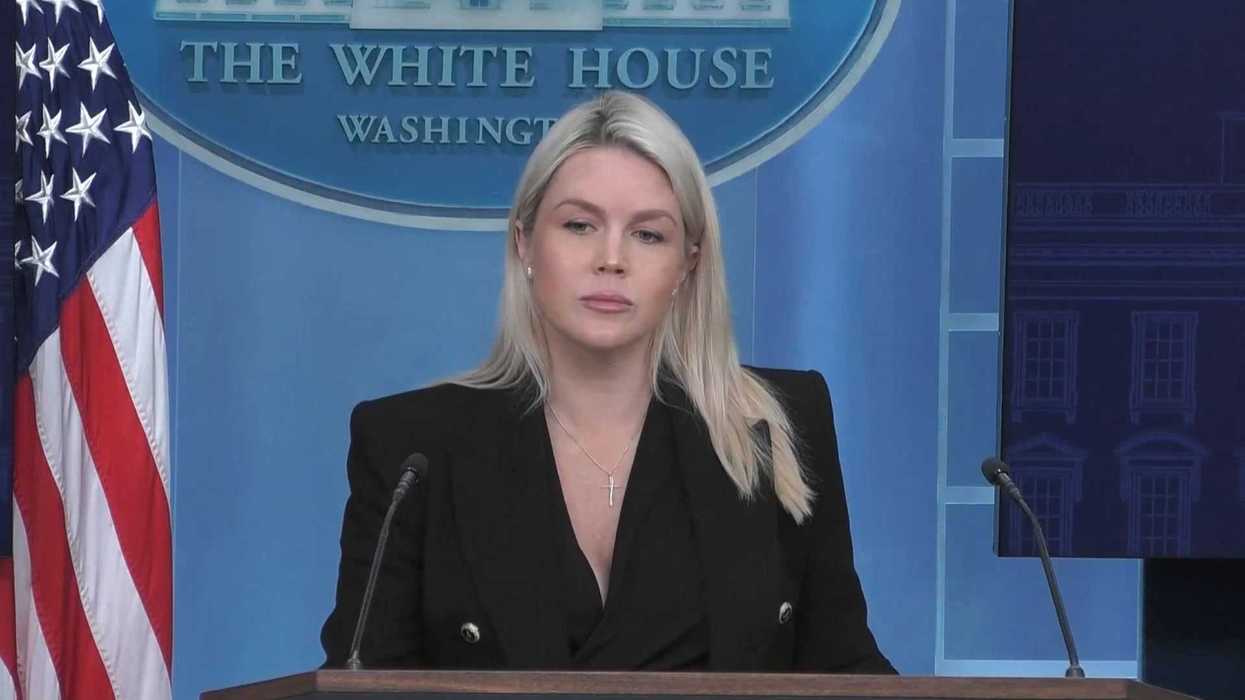
White House spokeswoman Olivia Wales reiterated the American position, stating that the U.S. has "been clear about our red lines" as it seeks to end the conflict it initiated in February alongside Israel. The nuclear issue remains a contentious point, particularly given the 2015 agreement between Iran and several world powers, including the U.S., which significantly curtailed Tehran’s nuclear activities. Iran has consistently maintained its programme is for peaceful, civilian purposes, but the deal collapsed when Mr Trump unilaterally withdrew from it during his first term in office.
Further setbacks to peace efforts emerged after the U.S. president cancelled a planned visit by his special envoy, Steve Witkoff, and son-in-law, Jared Kushner, to mediator Pakistan last weekend. Meanwhile, Iranian Foreign Minister Abbas Araqchi engaged in intense diplomatic activity, shuttling in and out of Islamabad twice, visiting Oman, and travelling to Russia on Monday to meet President Vladimir Putin, where he received support from a long-standing ally.
Adding to the defiant tone, Iran’s Deputy Defence Minister Reza Talaei-Nik stated on Tuesday that Tehran was prepared to share defensive weapons capabilities and experiences gained from "America's defeat" with "independent" nations, including members of the Shanghai Cooperation Organisation, a bloc comprising Iran, Russia, China, India, Pakistan, and Central Asian states.
The continued impasse has seen oil prices resume their upward trajectory, climbing nearly 3 per cent on Tuesday and extending gains from the previous session. Fawad Razaqzada, a market analyst at City Index and FOREX.com, noted: "For oil traders, it's not the rhetoric that matters any more, but the actual physical flow of crude oil through the Strait of Hormuz, and right now, that flow remains constrained."
Ship-tracking data reveals the war’s impact on maritime traffic, with at least six tankers carrying Iranian oil reportedly forced back to Iran by the U.S. blockade in recent days. Iran’s foreign ministry condemned these actions on social media as "outright legalization of piracy and armed robbery on the high seas." However, government spokesperson Fatemeh Mohajerani assured state media on Tuesday that Tehran had prepared for maritime blockade scenarios since the U.S. 2024 presidential election, making "necessary arrangements so that there is nothing to worry about." She added that Iran is utilising northern, eastern, and western trade corridors to circumvent the blockade’s effects.
Before the conflict, between 125 and 140 ships typically traversed the Strait of Hormuz daily. In the past day, however, only seven vessels have done so, with none carrying oil destined for the global market, according to Kpler ship-tracking data and satellite analysis from SynMax.
Domestically, Mr Trump faces increasing pressure to end a war for which he has offered the U.S. public shifting rationales, particularly as his approval ratings continue to fall. Senior Iranian officials, speaking anonymously to Reuters, detailed the proposal carried by Mr Araqchi, which envisions talks in stages. The initial step would involve ending the U.S.-Israeli war on Iran and securing guarantees against its resumption. Subsequently, negotiators would address the U.S. Navy’s blockade of Iran’s sea trade and the future of the Strait of Hormuz, which Iran aims to reopen under its control. Only then would discussions move to other issues, including the long-standing dispute over Iran’s nuclear programme, with Tehran still seeking U.S. acknowledgment of its right to enrich uranium.