The Conversation (0)
Trump v Pope Leo: Reasons why American-born Pope may not visit US …
Reuters / AP / PA / Getty / Donald J Trump Truth Social / US pool
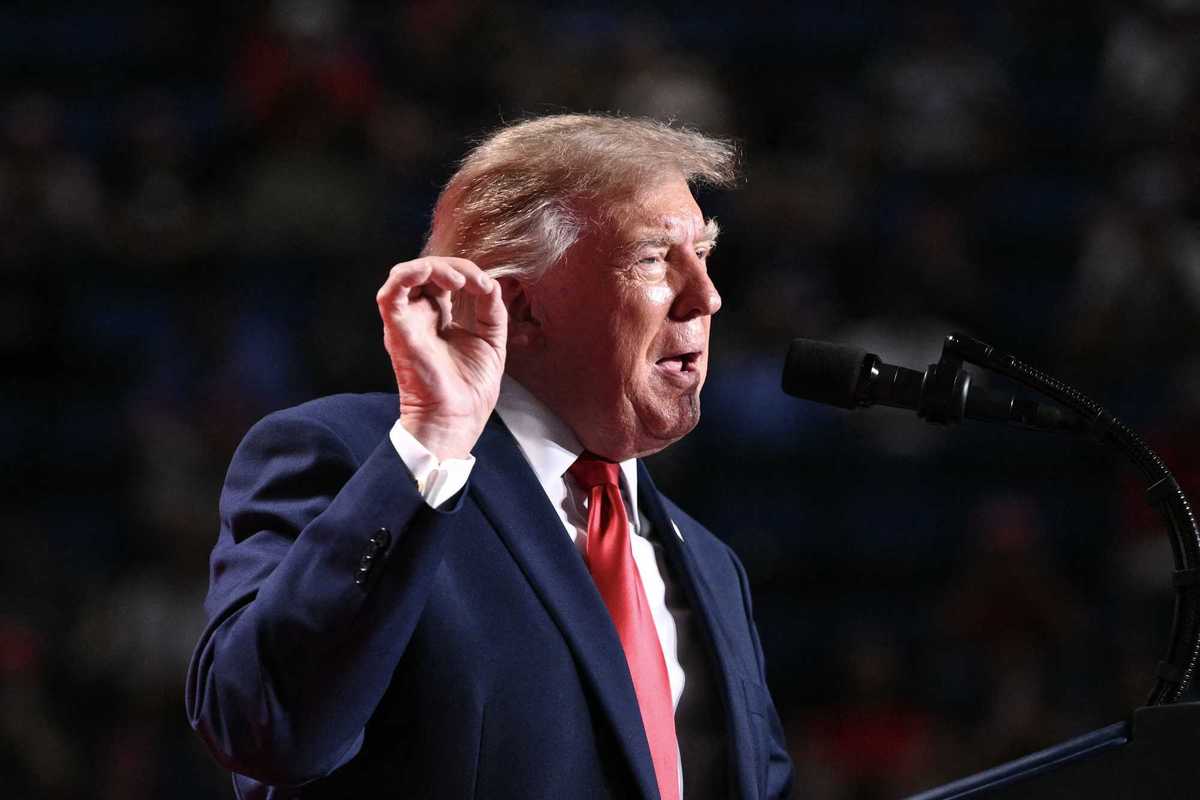
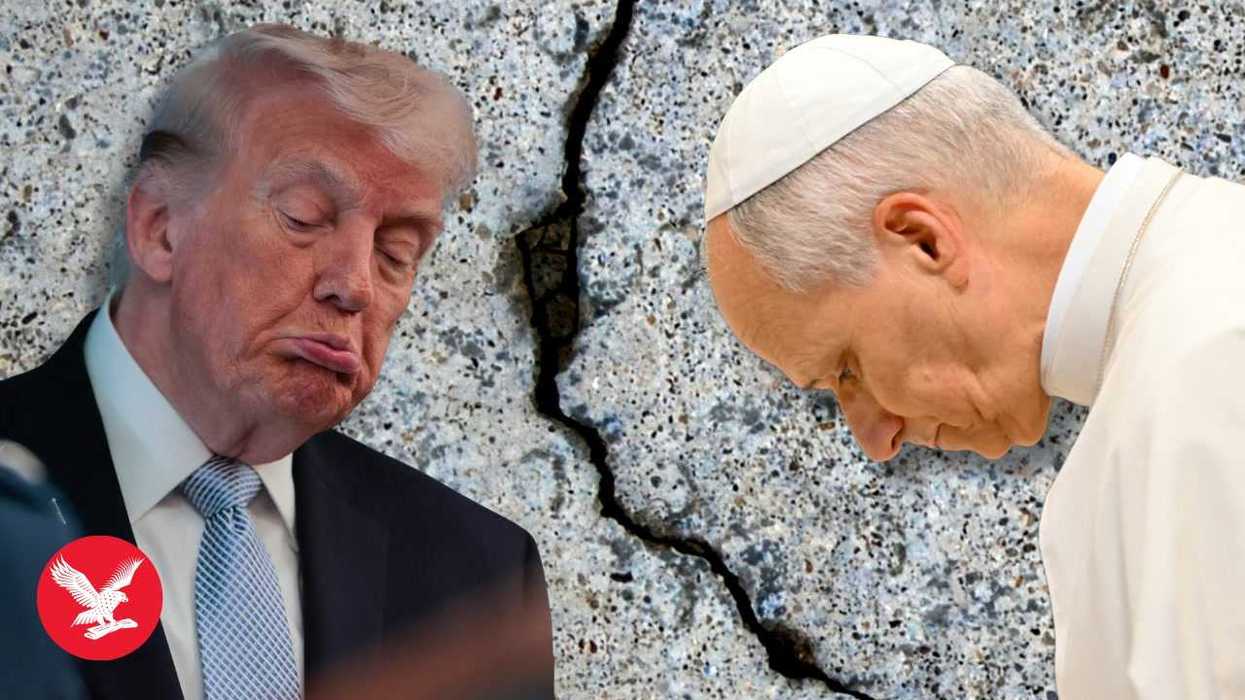
Donald Trump, a figure accustomed to widespread criticism from across the political spectrum, now faces one of his most influential American detractors not in Washington, but within the hallowed walls of the Vatican. This unprecedented situation sees the first American Pope, Leo XIV, directly challenging an American president over the conflict in Iran, where a fragile ceasefire was recently announced.
The pontiff’s outspoken condemnation of Mr Trump’s belligerence as "truly unacceptable" marks a significant moment in the relationship between the US and the Holy See. For the first time, this dynamic revolves around two Americans: a 79-year-old politician from Queens and a 70-year-old pontiff from Chicago. Despite hailing from the same generation and sharing cultural roots, their approaches to positions of immense power are starkly different, creating potential risks for both.
Natalia Imperatori-Lee, a theology professor at Fordham University, observed: "They’re two white guy boomers but they could not be any more different in their life experiences, in their values, in the way they have chosen to live those values. This is a very stark contrast, and I think an inflection point for American Christianity."
Experts on the Catholic Church underscore that Pope Leo’s opposition to the war aligns with established church teachings, rather than being a reflection of contemporary political leanings. William Barbieri, a professor at Catholic University, explained: "For the last five centuries, the church has been involved in a project of helping develop strong international norms," including the Geneva Conventions. "It is a very long-standing tradition rooted in Scripture and theology and philosophy."
Conversely, the Trump administration, known for its close ties to conservative evangelical Protestant leaders, has sought to frame the conflict in Iran as divinely sanctioned. Defense Secretary Pete Hegseth urged Americans to pray for victory "in the name of Jesus Christ," while Mr Trump himself, when questioned about God’s approval of the war, stated: "I do, because God is good — because God is good and God wants to see people taken care of." The Rev. Franklin Graham, son of the renowned Baptist evangelist Billy Graham, asserted that God "raised him up for such a time as this" and prayed for Iranians to "be set free from these Islamic lunatics."
Pope Leo countered these claims in his Palm Sunday message, declaring that God "does not listen to the prayers of those who wage war, but rejects them." He cited an Old Testament passage from Isaiah: "even though you make many prayers, I will not listen — your hands are full of blood." While papal and presidential disagreements are not uncommon, direct criticism of a US leader by the head of the Catholic Church is exceedingly rare. Pope Leo later named Mr Trump directly, expressing optimism that the president would seek "an off-ramp" in Iran.
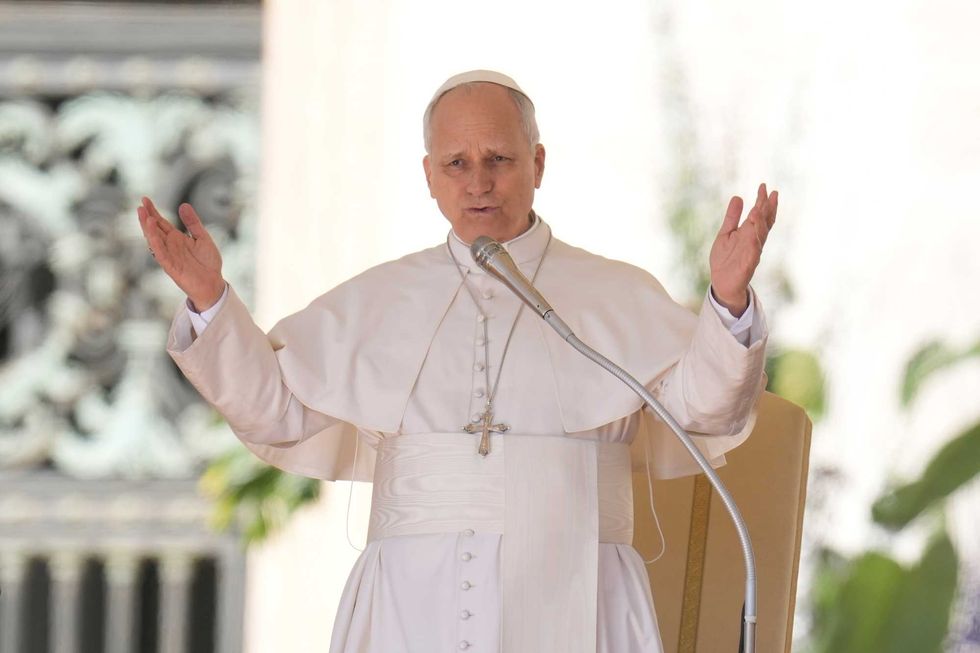 Pope Leo XIVAP Photo/Gregorio Borgia
A stronger condemnation followed Mr Trump’s social media warning of mass strikes against Iranian power plants and infrastructure, where he wrote that "an entire civilization will die tonight." Pope Leo described this as a "threat against the entire people of Iran" and reiterated it was "truly unacceptable."
Imperatori-Lee noted that Pope Leo’s direct criticism stands apart from the church's more general critiques of political and social systems. Unlike Pope Francis, who urged US bishops to defend migrants without specifically naming Mr Trump, Pope Leo’s commentary is "never been this specific and localized." His native English fluency also ensures his message resonates clearly in the US, removing "any ambiguities."
Mr Trump had welcomed Pope Leo’s election last May as a "great honor" for the country, but has not responded to the recent criticisms. The White House declined to comment. Steven Millies, a professor at Chicago’s Catholic Theological Union, observed that both Pope Leo and Mr Trump lived through the post-war polarisation, including the Civil Rights Movement and Vietnam War. He highlighted Pope Leo’s engagement with American culture, including subscribing to The New York Times and playing Wordle, suggesting he is "someone who understands where our domestic political crisis came from," unlike his Argentinian predecessor, Pope Francis.
However, Barbieri cautioned that Pope Leo’s American background does not alter the fundamental reality of Catholicism: "The Catholic Church doesn’t neatly fit into either right or left boxes as they’re understood in U.S. politics."
Pope Leo’s pre-papal ministry, spent largely outside the US, including time as a bishop in rural Peru and as Francis’ prefect for recommending bishop appointees globally, has given him a unique global perspective. Imperatori-Lee suggested this experience provided him with first-hand insight into how Washington's economic and military policies have negatively impacted less powerful nations. Millies argued that Mr Trump and his advisers, including Vice President JD Vance, may not appreciate these distinctions, viewing politics through a "transactional" lens of "who’s for us and who’s against us."
The strained relations between Washington and the Vatican were further highlighted by a report in The Free Press detailing an allegedly contentious meeting in January between Pentagon and Catholic Church officials, where a Trump administration member reportedly warned the church against obstructing US military might. Both the Vatican and the US Embassy to the Holy See issued statements rejecting the report’s characterisation, with the embassy stating that "deliberate misrepresentation of these routine meetings sows unfounded division and misunderstanding."
Millies questioned the extent to which papal or US bishop statements can sway individual Catholics. He suggested that while Mr Trump might lose support among Catholics as his broader electorate support wanes, this is not necessarily due to parishioners applying church doctrine. "Partisan preferences always trump the religious commitments," Millies said, describing a "disconnect" between church leaders and many parishioners who look to other sources, including politicians, for their views on faith and politics. He concluded that figures like JD Vance, who embody a Catholicism focused on "winning an argument," may be better suited to the Trump administration’s approach.
Top 100