
The Conversation (0)
Science & Tech
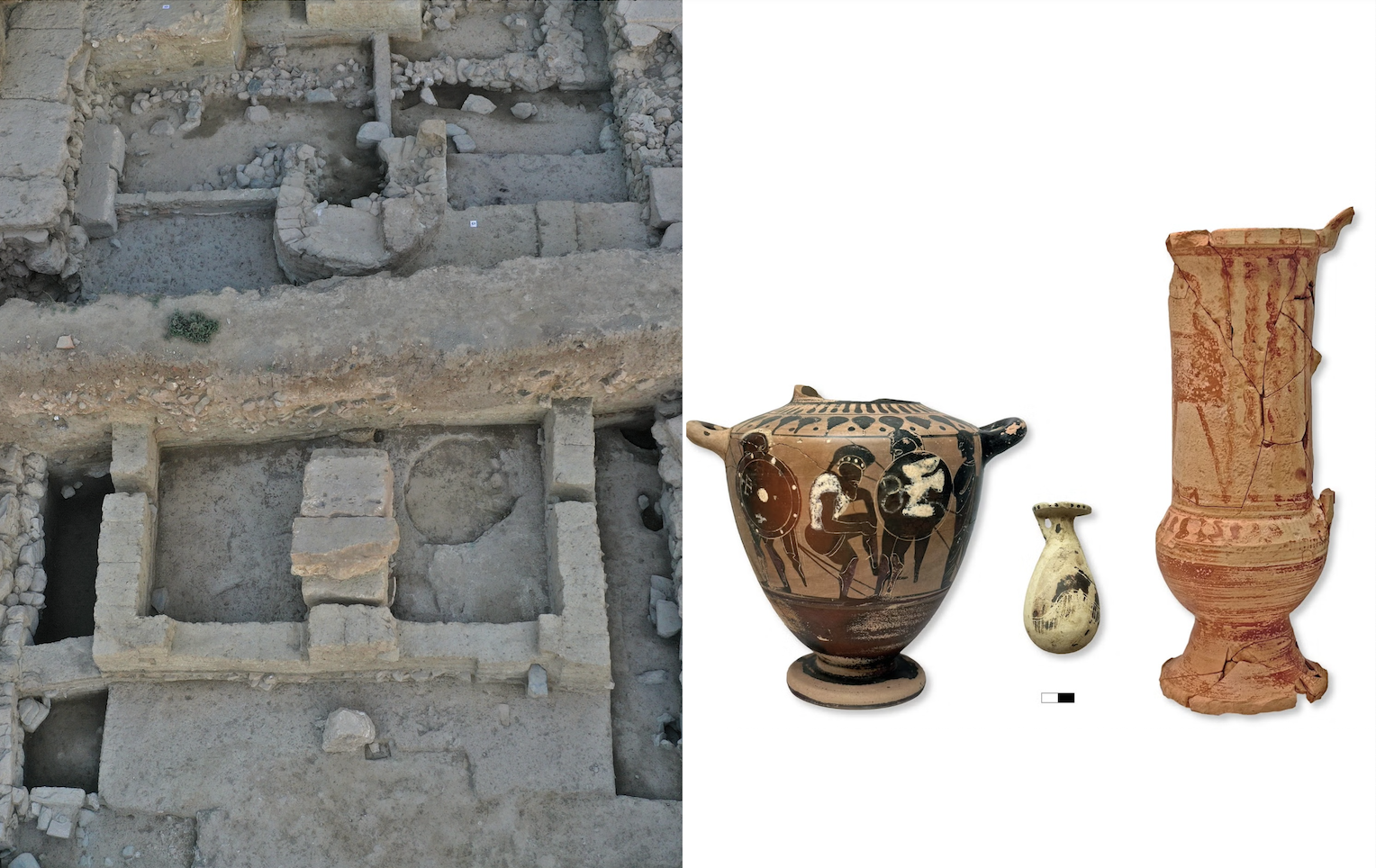
In a 2000-year-old temple on the Greek island of Evia, archaeologists have discovered gold and jewels unearthed inside the structure.
Located near the Temple of Amarysia Artemis and standing at 100 feet tall, the temple on the country’s second-largest island is believed to date back to the 7th century BC and was initially found by a team of 50 researchers in 2023.
Rough bricks were used for the temple's construction on a dry stone foundation, leading experts to conclude that the ground was swampy during the construction process.
The tilted roof was also installed with pillars put in place to support this feature, and researchers noted brick partitions in a part of the temple, which they believe were put in place most likely due to a fire destroying part of the building, to shield the remaining areas, along with a new section that was built at the end of the 6th century.
 Greek Ministry of Culture
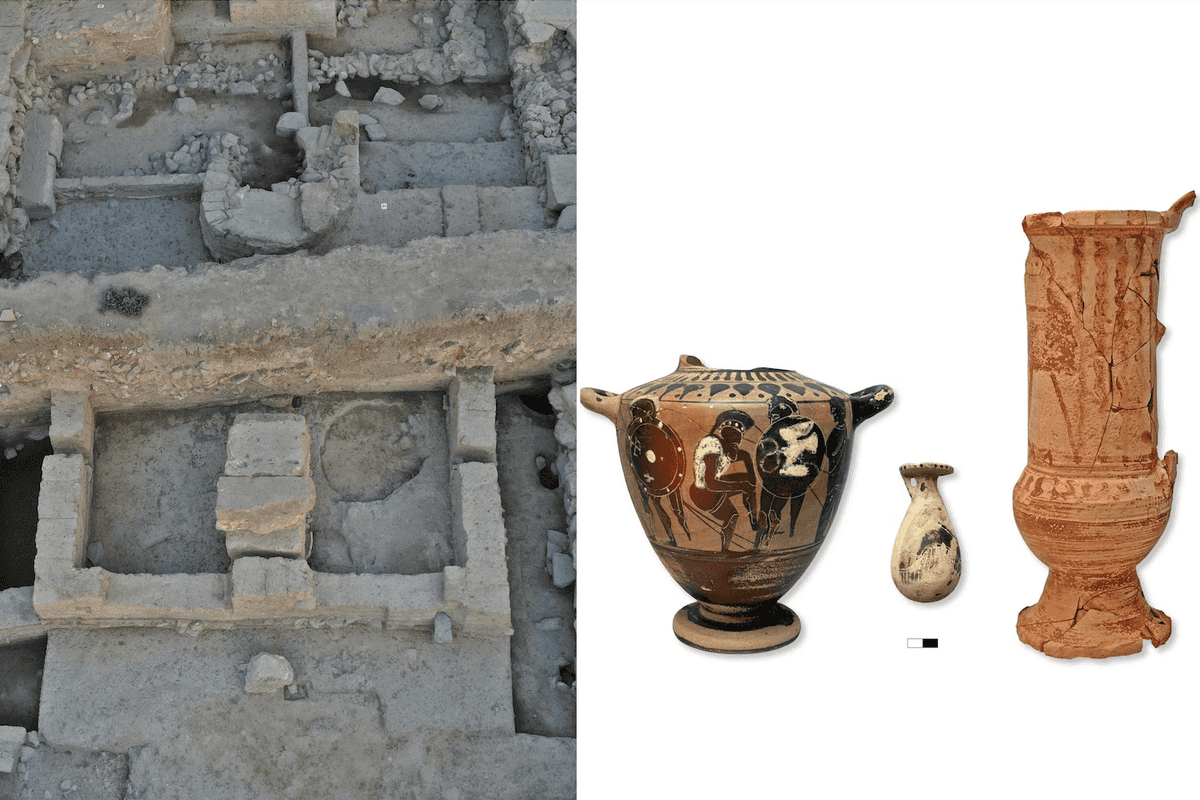
Researchers found a “significant number of structures" inside the temple, which are likely to have been used as altars - one of them including a unique horseshoe-shaped altar, and thick layers of ash—which was rich in charred bones—showed steady use.
"The possibility that some of them predate the temple cannot be ruled out,” Greece’s Ministry of Culture said in a statement last year. “The first level of use of the horseshoe altar yielded pottery dating to the end of the 8th century BC.”
Alongside the structures, a range of treasures was discovered inside the building, including gold, silver, and amber.
“The excavation of the archaic temple brought to light rich offerings: Corinthian alabaster, Attic vases, ritual prochos of local production, as well as jewelry made of precious materials like gold, silver and coral,” the ministry added.
Furthermore, researchers discovered Geometric-period bronze figurines representing bulls and a ram in areas thought to be some of the oldest sections of the temple.
"Although the investigation of the earliest of these levels has only just begun, the first discoveries suggest that the cult had its roots in the centuries after the end of the Mycenaean period," the statement read.
Additionally, Greece's Ministry of Culture confirmed that researchers found “imposing walls of the Early Copper Age," upon further excavations on the hill where the temple is located, which they say "undoubtedly belongs to a system of fortification of the prehistoric settlement.”
Elsewhere from Indy100, Near-complete Iron Age battle trumpet unearthed in Norfolk, and Ancient underwater world could be key to finding past civilisations.
How to join the indy100's free WhatsApp channel
Sign up to our free indy100 weekly newsletter
Have your say in our news democracy. Click the upvote icon at the top of the page to help raise this article through the indy100 rankings.