The Conversation (0)
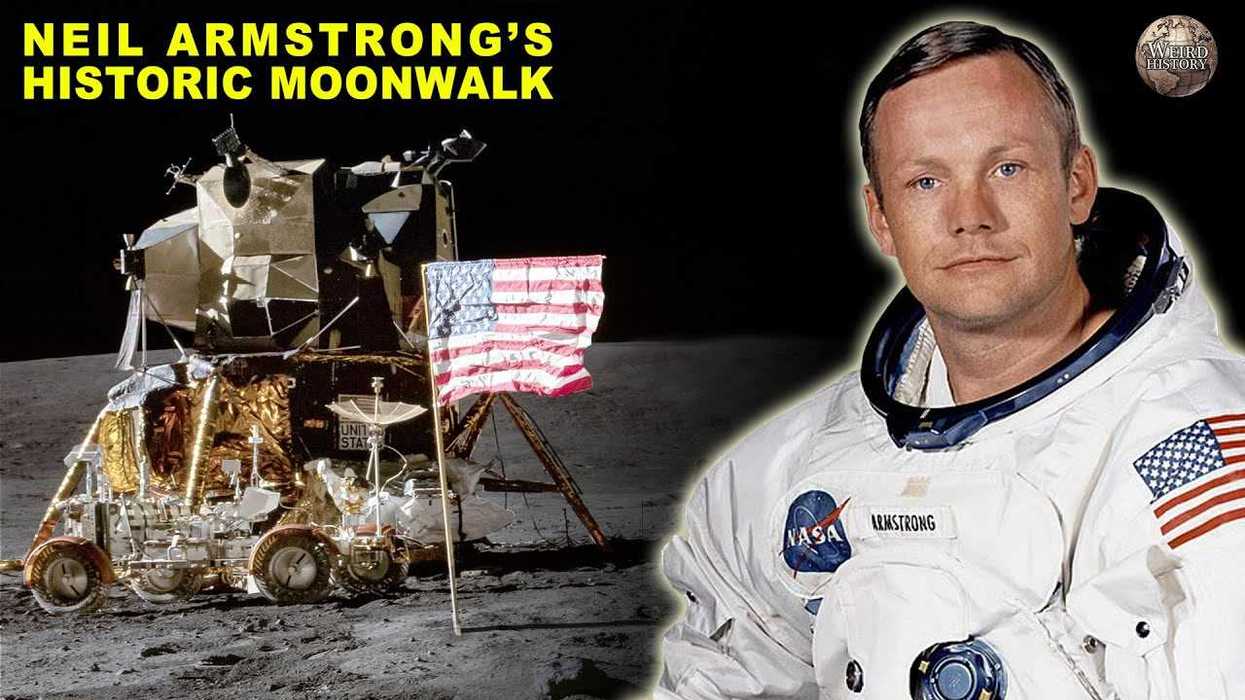
How Neil Armstrong's Moonwalk Changed History
Ranker Inc. / VideoElephant
Sixty years after a near-catastrophic emergency aboard Gemini 8, never-before-seen photographs documenting Neil Armstrong’s heroic return to Earth have been donated to the Ohio museum bearing his name. The images offer a fresh perspective on the dramatic conclusion of a mission that saw Armstrong and fellow astronaut David Scott narrowly avert disaster.
The Gemini 8 mission, launched on 16 March 1966, aimed to achieve the first-ever docking in space. While this ambitious goal was met, minutes later, both spacecraft began tumbling uncontrollably. Armstrong’s quick thinking was paramount; he made a calculated decision to deploy the craft’s thrusters to halt the violent spinning. This action, however, consumed vital fuel, necessitating an immediate and unplanned return to Earth, with the duo splashing down off Okinawa, Japan, just ten hours after launch.
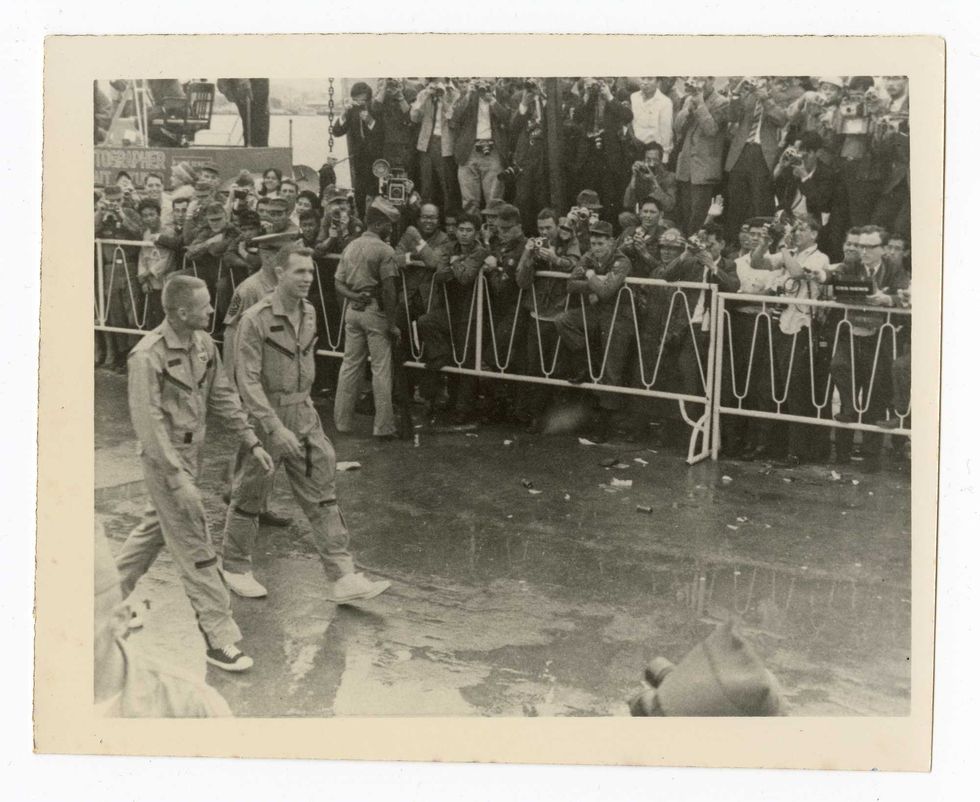 Astronauts Neil Armstrong (left) and David Scott walking through a crowd of U.S. service members at Naha Air Base in Okinawa, JapanOhio History Connection/AP
These unique photographs were captured by Ron McQueeney, an Army veteran and professional photographer who escorted Armstrong and Scott. Due to the unexpected nature of the splashdown, few media personnel were present, making McQueeney’s role in documenting the aftermath particularly crucial.
Dante Centuori, executive director of the Armstrong Air and Space Museum in Wapakoneta, Armstrong's hometown, noted: "Sometimes, an incredible event can actually be documented by some of the most ordinary means." The collection, donated by McQueeney’s widow, includes shots of Armstrong and Scott on the deck of a US Navy vessel, waving to service members, and the Gemini 8 capsule being lifted for transport.
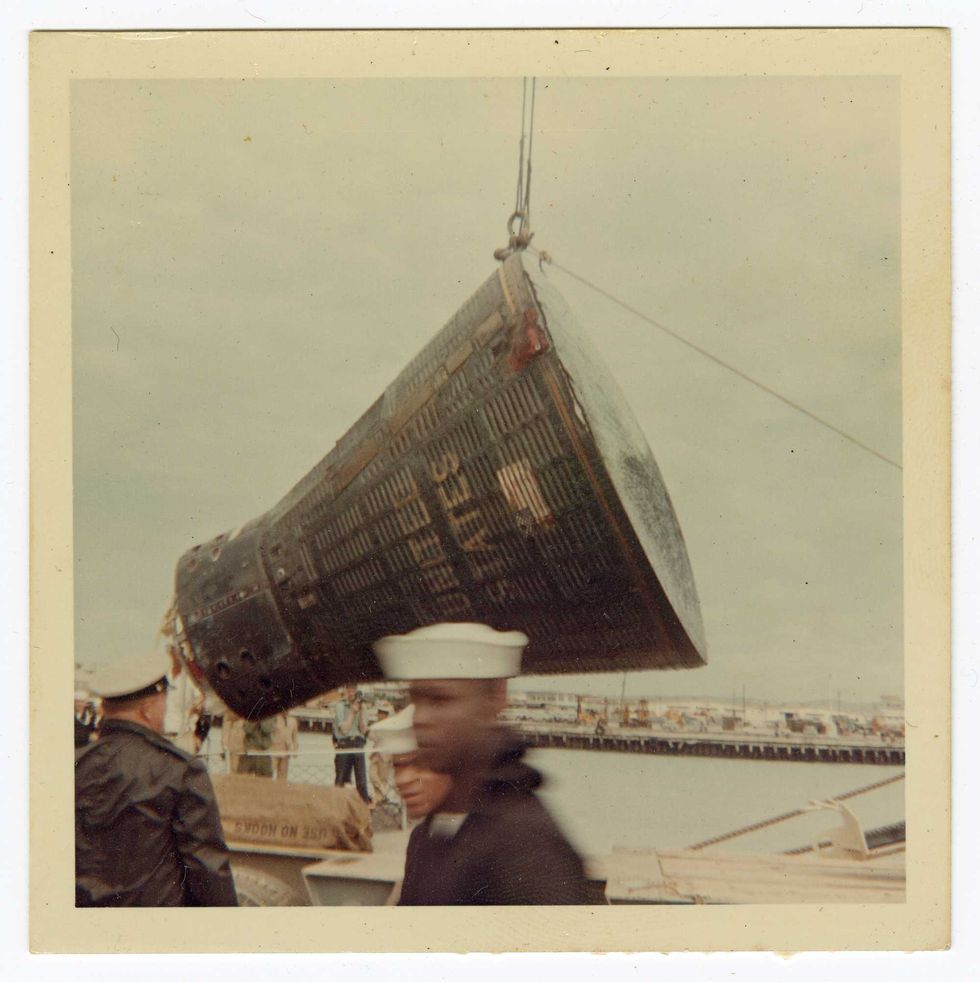 The Gemini 8 spacecraft being lifted for transport at Naha Air Base in Okinawa, JapanRon McQueeney/Ohio History Connection via AP
The images reveal the astronauts’ smiles, prompting varied interpretations. Mr Centuori suggested these reflected their professionalism and ability to remain at ease despite a life-threatening ordeal. However, science historian Robert Poole of the University of Lancashire offered a more direct assessment: "The obvious thing that sticks out to me is that they are very happy to be alive." Mr Poole added that Armstrong’s remarkable composure in a crisis was a key factor in his selection as commander of Apollo 11.
As NASA prepares for its Artemis mission, aiming to return astronauts to the moon in April, these historical events serve as a potent reminder of the immense effort and adaptability required for space exploration. Emily Margolis, a curator at the National Air and Space Museum, emphasised: "Seeing people launch to space frequently can suggest that it’s easy, but it’s very hard. And it requires a lot of resources and attention." The newly acquired photographs will help the Armstrong Museum, which already displays the Gemini 8 capsule, to enrich the narrative of this pivotal mission for its visitors.
Top 100