The Conversation (0)
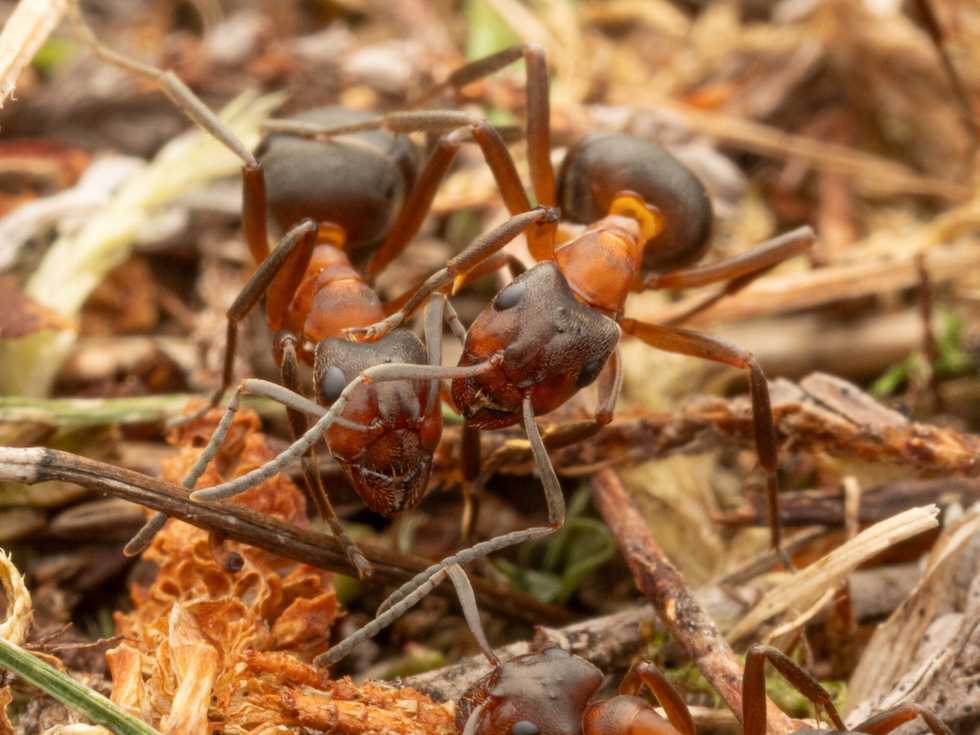
A colony of narrow-headed ants were found on the King’s Balmoral estate (Nick Baker/PA)
A colony of one of the UK’s rarest ants and its queen have been found living on the King’s Balmoral estate in Aberdeenshire.
The endangered narrow-headed ant is only known to survive in a handful of locations, including at the nearby Mar Lodge Estate National Nature Reserve.
The colony at Balmoral was found by a ranger who had previously worked on the Cairngorms Ant Project, which is taking place at the Mar Lodge Estate around 10 miles away, and therefore recognised the significance of the discovery.
It is thought the ants are likely to have been on the Balmoral estate for many years but they can easily be overlooked due to the small size of the well camouflaged nests.
Hopefully more nests will be found at Balmoral and we look forward to bringing them into ongoing conservation work for narrow-headed ants
Shaila Rao, National Trust for Scotland
Shaila Rao, National Trust for Scotland conservation manager at Mar Lodge, which is in the care of the trust, said: “I was delighted to confirm that it was a colony of narrow-headed ants.
“It is great to know that Mar Lodge Estate is not the only site in Deeside, which should increase our chances of securing their survival here into the future.
“Hopefully more nests will be found at Balmoral and we look forward to bringing them into ongoing conservation work for narrow-headed ants.”
The insects’ name references the deep notch they have in the back of the head.
They need sunny woodland edges to thrive and use heather and dead grass to build a domed, thatched nest.
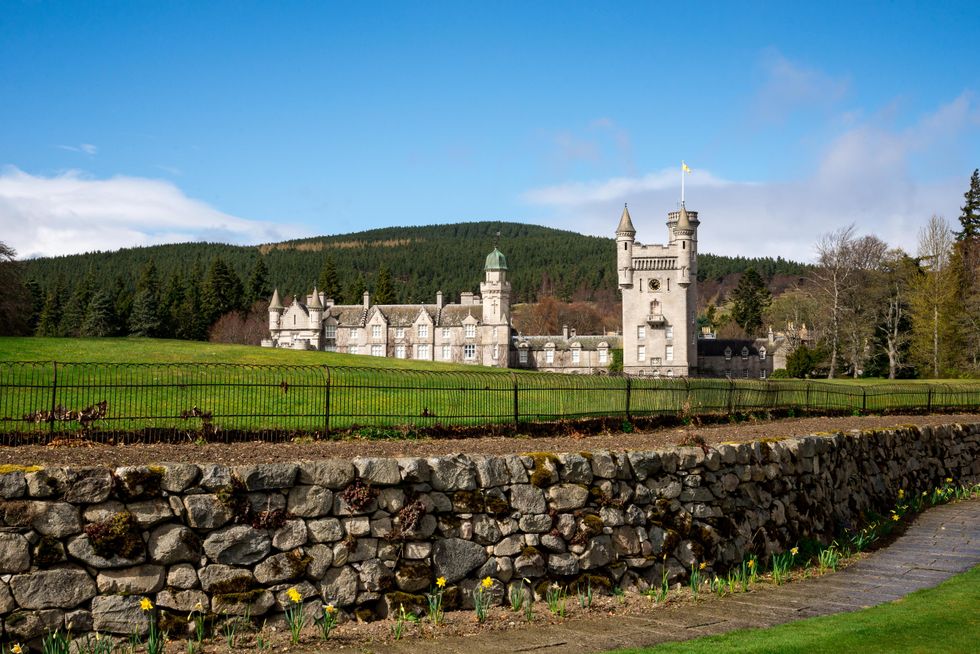 The colony was found on the Balmoral estate (Alamy/PA)
The Cairngorms Ant Project is working to secure the future of the species and focuses on captive breeding, where workers and queens are collected and bred in “starter nests” in a climatically-controlled facility until they are self-sufficient enough to survive in the wild.
They are then placed in suitable habitat on the Mar Lodge Estate.
Following the recent find at Balmoral, which is in the Cairngorms National Park, it is hoped nests could also be placed there to support the newly discovered colony.
Cairngorms National Park Authority conservation officer Hayley Wiswell, who is leading the project, said: “Despite their small size these ants are real heavyweights in nature, helping to shape our woodlands into healthy, functioning habitats for a range of other species.
“This is such an important discovery as it strengthens our understanding that this species was once much more widespread and adds weight to our plans to re-establish thriving colonies in Deeside.”
The project is part of ongoing work across the national park, supported by Scottish Government’s Nature Restoration Fund.
Top 100