The Conversation (0)
Sophie Thompson
Longevity is the wellness buzzword of the moment.
We're no longer looking at how to stay healthy in the short-term, but how to feel better for longer - or even add additional years to our lives.
Health advice is often simple: eat well, move more, and build community.
But on a granular level, our access to diagnostics and testing that can help inform our habits more specifically are more available than ever - and frankly, proving popular.
With hyperbaric oxygen chambers, IVs, and red light therapy just a snapshot of the once-clinical treatments now at our fingertips, it's an industry that's yet to even hit its commercial peak, and it can it can be overwhelming to decide what's actually worth your time.
Having done countless longevity and biomarker tests, here are three I'd recommend to anyone looking to unlock a healthier version of themselves this year...
Precision genetic testing
We're no strangers to knocking-back supplements in a bid to boost our vitamins and supercharge how we feel - but how many of us can confidently say they're actually working?
None of us use the same skincare routine, but, for some reason, we're still very much in a blanket approach era when it comes to health. However, how our bodies process supplementation (and the quantities that it needs to function) entirely differently.
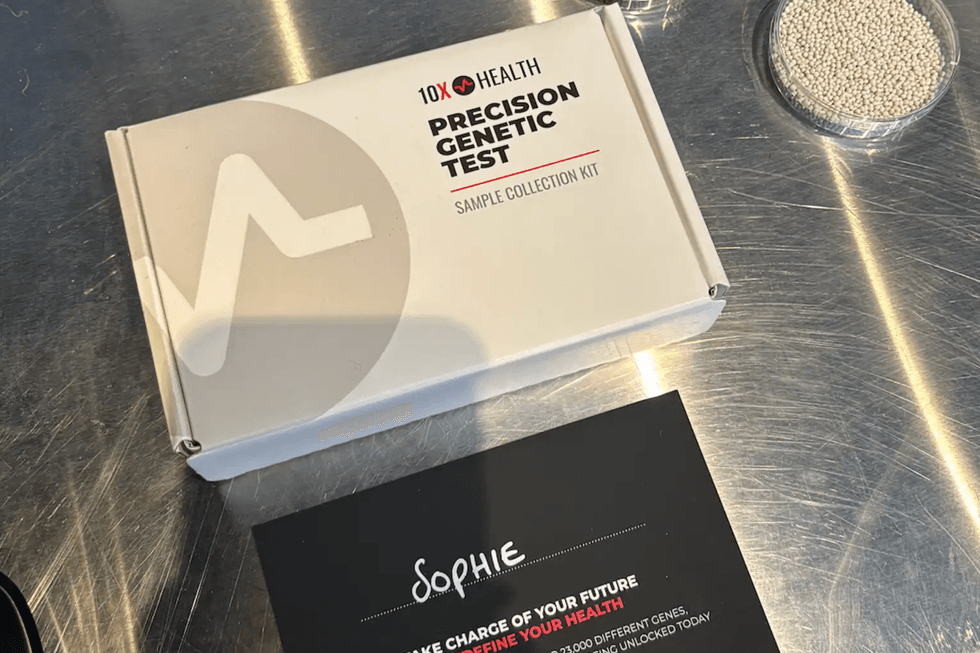
10X Health, the company behind the wellness of names like Alvaro Nuñez and Dana White, introduced the world's first precision genetic testing kit to the UK in 2025. The simple saliva sampling helps lab experts analyse 54 different genes (there are 7,000,000,000,000 possible outcomes for your genetic patterning), and provide recommendations on diet, exercise, and lifestyle - including a fully bespoke supplement package.
That means everything you're taking is specifically engineered to work with your body - not the body of everyone picking up the packet off the shelf.
My precision supplements, each one linked to a function included in the analysis, include Omega-3 (which has been linked to longevity), calcium, copper, methylfolate, magnesium, vitamin B12, selenium, and zinc.
Within weeks of scrapping my 'hope for the best' approach to taking supplements, I was left with less fatigue, improved concentration, and even improved skin health.
The best part? Your genes never change, so you'll only ever need to do this test once in your life.
Liver analysis
Our liver says a lot about our health. That's probably not something you hear often, as it's an often-forgotten part of our bodies when it comes to seeking out answers to symptoms.
However, our liver performs over 500 life-sustaining processes, acting as a key system for metabolism, detoxification, and nutrient storage, as well as hormonal health.
Given that one in three adults in the Western world have fatty liver disease, and there's been a x4 increase in liver disease mortality since 1970, you could say it's a highly-underrated function we should be looking out for more.
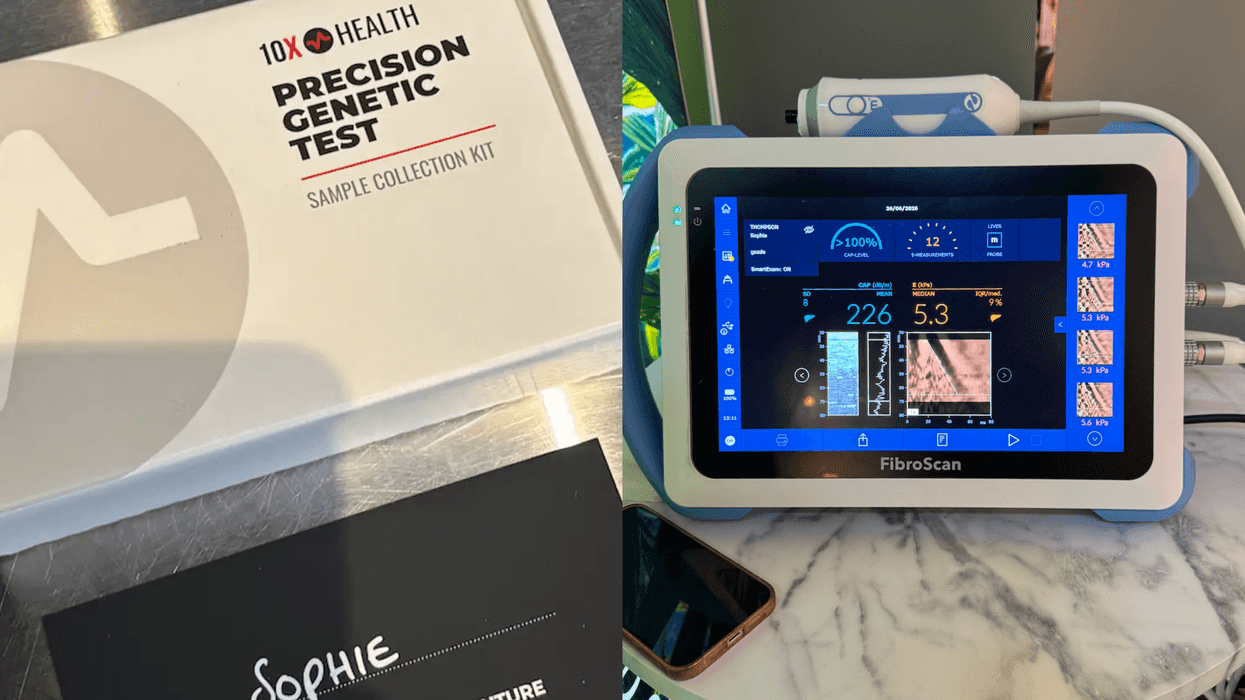
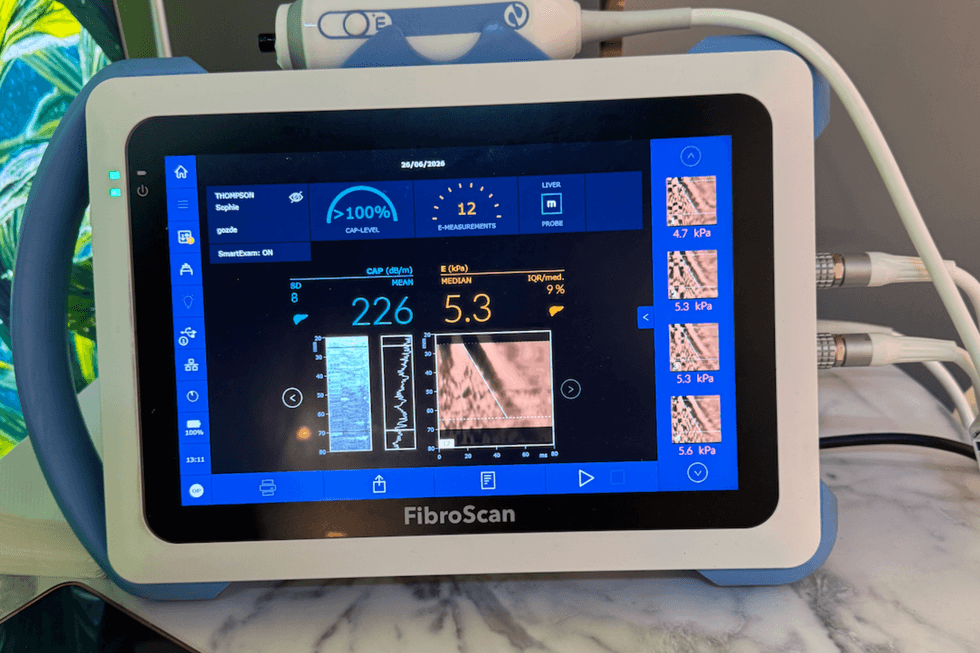
A recent trip to The Longevity Show in London took me to The Liver Clinic, where a 20-minute Fibroscan would paint a picture of the impact my lifestyle was having on my body.
Given that it's rare to find myself with nothing to do and I have my finger consistently hovered over the Deliveroo app, I was understandably apprehensive.
Lying in a very 'draw me like one of your French girls'-adjacent pose, the test itself is quick and painless. Having fasted for three hours, a clinician held a doppler against my ribs, which would thump rhythmically every few seconds, sending out sound waves in pulses.
While I'm probably the first in my bloodline to ever find myself in this situation, it was far more relaxing than it sounds.
Once the data was captured, we did a deep dive into my CAP score (the measurement used to quantify the amount of fat accumulated in your liver) and Fibrosis scores.
For context, someone who drinks a lot of alcohol, or lives with a condition like Diabetes, might have a higher score, prompting lifestyle interventions to help aid bringing it down over time.
If by nothing short of a miracle, both scores indicated my liver is in tip-top condition - but gave me a valuable reality check nonetheless.
Oxidative stress testing

We all know stress is bad for us, but the extent of the damage it can have on our bodies is far more significant than many of us realise.
It was something I found out during a trip to the world's leading wellness resort, Mayrlife, in 2025, when I learnt about the impact of free radicals and oxidative stress for the first time - mostly because it would turn out that my 100mph city lifestyle was quietly the common denominator in health issues I'd began coming up against.
Put simply, free radicals are unstable molecules in the body that, when outnumbering your antioxidants, can damage cells. It can be an easy prospect to shrug off, until you realise that same cell damage linked to some rather serious long-term health conditions, with causes for elevated oxidative stress levels including prolonged stress, poor diet, and pollution.
Given that most modern healthcare is based around cure and not prevention, this type of testing could completely transform the way we view not only wellness, but our entire lifestyles, too.
The process itself is simple, and comes in the form of a quick finger prick test. For me, seeing those bold, red numbers was enough to make me clear my schedule for the weeks ahead, reassess my priorities, and finally take the kind of action I’d been putting off.
Instead of living in denial, I've gained post-stress clarity, and spent the last 12 months dedicating myself to the art of slow living - and, more importantly, learning to say no - in the hopes my new, small habits would all amount to something.
The proof is in the numbers, no less.
By the time it came around to re-taking the test more recently, I'd managed to reduce my oxidative aggression to just 27 per cent, and I've seen a marked improvement in my day-to-day wellbeing. Cortisol face? I haven't seen her in a while.
Maybe this self-care stuff isn't just fluff, after all.
Why not read...
Can a 'palm reading' predict the future of my health?
How to join the indy100's free WhatsApp channel
Top 100