The Conversation (0)
UK: Fire breaks out in London following latest heatwave warning
StringersHub / VideoElephant
As record-breaking temperatures continue to grip the UK, ensuring adequate hydration has become a critical health priority. Dehydration, a common risk during heatwaves, can range from a mild inconvenience to a severe, life-threatening condition, according to medical experts.
Dr Naveed Asif, a GP at The London General Practice, explains the spectrum of dehydration. "Most of us are probably mildly dehydrated the majority of the time and experience things like a dry mouth, dry lips and dry eyes," he says.
"Then once it goes into moderate that means it’s beginning to impact you more, and then we have the more severe side where you can become significantly unwell with it." He adds that even mild pre-existing medical conditions can be exacerbated, becoming "significantly more uncontrolled" when the body lacks sufficient fluids.
While a parched throat is an obvious indicator, many other subtle and surprising symptoms can signal that your body is crying out for more water.
One often overlooked sign is a change in mood. Dr Hugh Coyne, co-founder of Coyne Medical, notes: "When people get quite dehydrated they might get a bit restless or irritable." He attributes this to the brain’s sensitivity to hydration levels, suggesting that feeling tense or agitated upon waking on a hot morning could be a prompt to drink water.
Muscle cramps and tingling sensations can also be a red flag. Dr Asif explains that the body’s balance of water and electrolytes – salts essential for muscle function – is disrupted when fluid intake is insufficient.
 Alamy/PA
"If they’re not diluted by water and are too concentrated, because you’ve not drank enough water, that can cause flare ups of cramping and tingling in your body," he says. This means "the nerves that control the muscles aren’t working as efficiently, and often the muscles begin to seize up, because they just can’t function."
Headaches are another common symptom, even with relatively minor dehydration. Dr Coyne elaborates: "When our total body water goes down, the brain becomes a little bit dehydrated and you can get a transient shrinkage of the brain tissue where it becomes not as plump as it normally is." This can lead to tension on the brain’s lining, decreased blood flow, and increased pain sensitivity.
The elasticity of your skin, known as skin turgor, can also offer clues. Dr Coyne describes a simple test: "When we suspect people are dehydrated, we take a gentle pinch of the skin, usually on the back of a patient’s hand, and then let it relax."
In a well-hydrated individual, the skin quickly bounces back. However, "when people are a little bit dehydrated, that takes a little while to settle down." He cautions that this sign can be less reliable in older adults, who naturally lose skin elasticity over time.
Fatigue, tiredness, and lethargy are also early indicators. Dr Coyne suggests that "that feeling that you need to plonk down on a sofa indicates that you might be inadequately hydrated."
Finally, an increased heart rate can signal dehydration. Dr Coyne explains that the heart works harder to maintain blood pressure and blood supply to vital organs when fluid levels are low.
Dr Asif adds: "The body also releases additional stress hormones, such as adrenaline, endorphins, and cortisol, to try and speed up the heart and speed up the process to increase delivery of vital blood and the associated salts and fluids to our vital muscles and organs."
Ignoring these signs can have severe consequences. Dr Coyne warns: "If dehydration worsens it can lead to very severe illness, such as heat stroke or exertional heat stroke which is very severe and has high mortality rates." He stresses the importance of prevention and prompt action.
Emergency medical help is required for any significant mental changes, such as confusion, agitation, slurred speech, or loss of consciousness, as these are characteristic features of heat stroke.
Dr Coyne also advises that vulnerable groups, including infants and older people, should seek medical attention at a lower threshold, as their symptoms can be more subtle or difficult to discern.
 Alamy/PA
To proactively combat dehydration during hot weather, experts offer several practical tips:
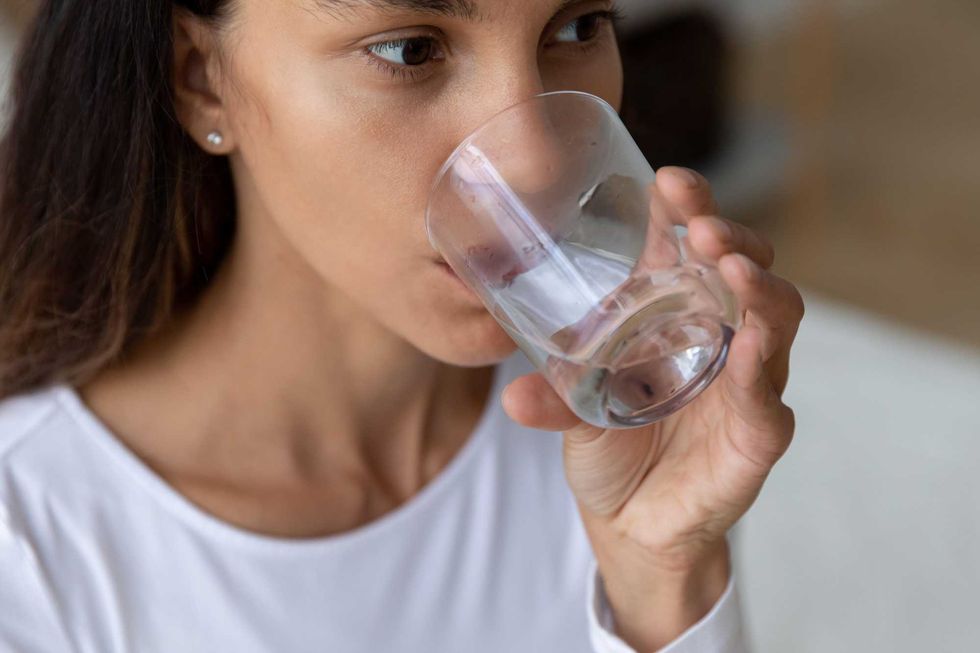
Don’t wait until you are thirsty: Thirst can be an unreliable indicator, especially for older adults. Dr Coyne recommends sipping water throughout the day, while Dr Asif suggests taking "10 sips of water at once and do it regularly, so it doesn’t feel like you’re reminding yourself to stay hydrated."
Look after your skin: Dr Asif advises applying moisturiser to help keep skin hydrated.
Consider electrolytes when exercising: For workouts lasting less than an hour, water is usually sufficient. However, Dr Coyne recommends a carbohydrate-electrolyte sports drink for longer runs or rides.
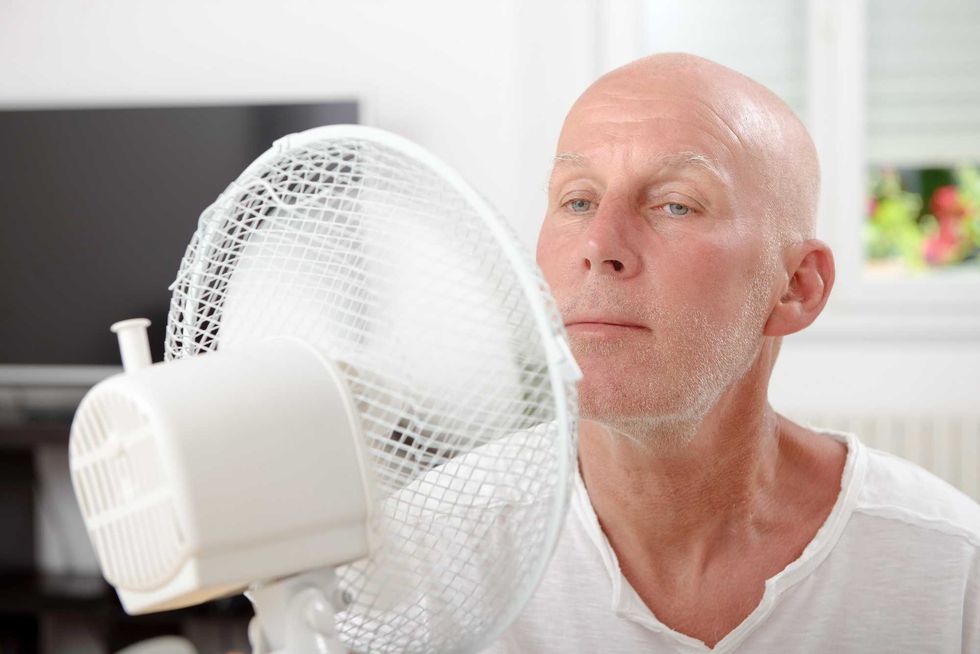
Stay cool: Create a cooler environment indoors by keeping blinds down and using air conditioning, fans, or misting, suggests Dr Coyne.
Monitor your urine colour: Dr Asif states: "You want it as clear as possible, and if it’s beginning to get darker and darker, that’s your body telling you that you need to drink more, so you’re aiming for light yellow or almost clear colour."
Top 100