The Conversation (0)
Taking Your Shoes Off On A Flight May Be Bad For Your …
unbranded - Lifestyle / VideoElephant
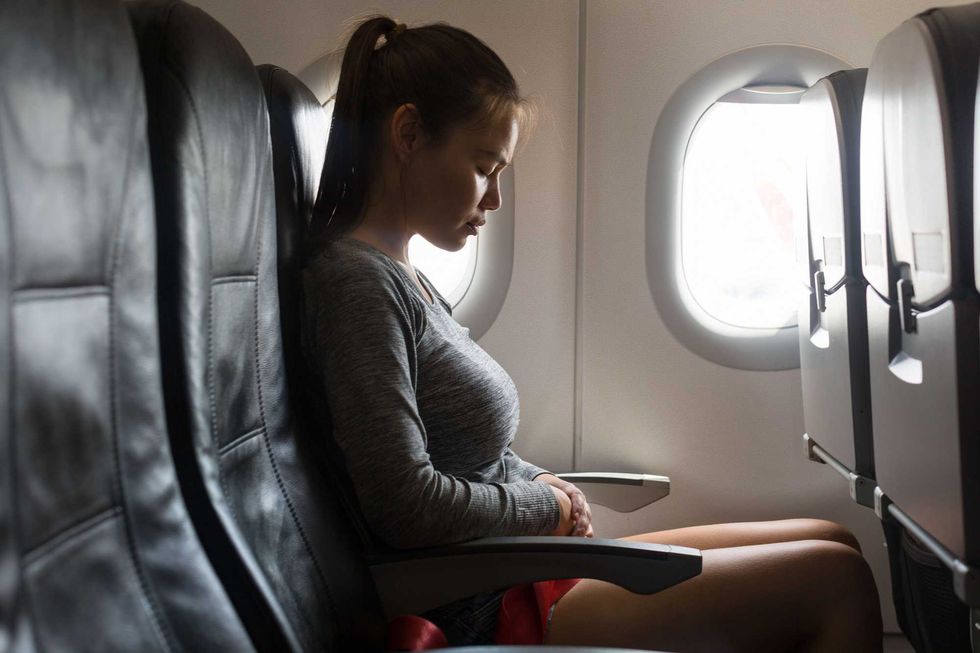
The promise of productivity during a long flight often gives way to an unwelcome sense of sluggishness and discomfort. That familiar mid-air lethargy, characterised by bloating and exhaustion, is a common experience, and experts say it's rooted in several physiological factors. We delve into the reasons behind this pervasive mid-flight slump and explore practical strategies to mitigate its effects, according to medical professionals.
A primary contributor to in-flight malaise is the disruption of our established daily routines. Dr Asimah Hanif, an NHS GP and medical expert with travel insurance provider Staysure, explains: "When we are out of our usual routines on a flight, it disrupts what our bodies are used to." She highlights how unfamiliar meal times and food choices, such as an early morning plane breakfast of an omelette, can impact digestion. "The impact of both of those elements combined – eating things that you’re not used to and eating after the time frame that you usually would eat – can disrupt digestion and contribute to sluggishness," Dr Hanif states. Dr Mark Austin, a gastroenterology specialist at Nuffield Health in Haywards Heath, concurs, adding that "flying at funny times of the day... can have an impact on your physiological state, and can release stress hormones and make you feel less hungry, bloated and uncomfortable."
Compounding this is the pervasive issue of sleep deprivation. Dr Austin notes: "Many of us struggle to get good quality sleep on a plane, and sleep deprivation has a huge impact on your digestion and how you feel."
 PA
PA
The unique cabin environment also plays a significant role. Dr Hanif points out that "When you’re flying at altitude, the air cabin pressure will change and you’ll also get lower oxygen levels, which in turn could affect your digestion and your energy levels." Furthermore, the dry, conditioned cabin air often leads to dehydration, manifesting as dry skin and contributing to overall fatigue.
Alcohol consumption at altitude presents particular challenges. Dr Austin warns: "We have to be careful about drinking while flying at altitude, as the effects of alcohol can be heightened and have a very negative impact on you." Beyond behavioural issues, alcohol contributes to dehydration and sleep disturbances. He explains it "can also have a significant impact on the muscles at the lower end of the gullet, so it can increase your risk of things like reflux." Moreover, the calorie and sugar content can destabilise blood sugar levels, further affecting the body’s response to the flight environment.
Similarly, caffeine can exacerbate the effects of time zone changes. Dr Austin cautions that "When you’re travelling over time zones, your body can become incredibly confused about what time of day or night it is, and if you taking caffeine, which is a stimulant, that can become very difficult and can actually prolong the impact of jet lag."
The food served onboard also contributes to discomfort. Dr Hanif notes that "Airline meals often contain a high level of salt and I’ve been told that this is because your taste is altered at altitude, so the airlines often compensate for that by adding in more salt to make it taste nice." This high sodium content can lead to water retention and digestive problems. Dr Austin adds that airline food is typically "ultra-processed and often involves things like pasta, rice and bread," lacking fibre but high in fat for flavour and satiety, which can induce sleepiness.
Prolonged periods of inactivity further compound these issues. Dr Hanif explains that "Sitting down for long periods reduces your general circulation, slows your metabolism and can impact general nutrient absorption." Dr Austin elaborates on the digestive consequences: "People that are prone to slow gut transit and constipation need to get up and walk around, and if you’re not doing that for long periods of time, plus all the other factors that we have already mentioned, you’ve got a significant risk of problems with regards to slow gut transit and gas production. So, you might find that you get a lot of wind."
Finally, the inherently low humidity in aircraft cabins poses a significant risk of dehydration. Dr Austin warns: "Aeroplanes do run with very low humidity, so you’ve got a huge risk rate related to things like dehydration." He explains that dehydration can initiate a stress response, diverting blood from less critical organs, including the gut, leading to digestive issues, bloating, and constipation.
While these factors are common, mitigating their impact is achievable with a few simple strategies. To combat in-flight discomfort, experts offer the following advice:
Avoid stimulants: Dr Austin advises: "The sensible thing would be to avoid triggers like alcohol, coffee or caffeine, before and during a flight."
 PA
PA
Opt for lighter meals: Instead of heavy, starchy options, Dr Hanif recommends: "Choose a meal that is lighter and is more balanced, rather than a really starchy, carb-heavy meal." She suggests: "Opting for a meal that contains protein and vegetables instead will have less of an impact on your body."
Snack wisely: If a full meal isn't appealing, Dr Austin suggests: "If you don’t feel very hungry, you’d probably be better off snacking rather than eating lots of large meals." He recommends bringing "some fruit, nuts and seeds onboard with you."
Prioritise hydration: "Try to have a glass of water, or half a bottle of water, every hour," Dr Austin advises, stressing the importance of consistent fluid intake.
Keep moving: To counter the effects of prolonged sitting, Dr Austin recommends: "Get up and walk around the cabin every two to three hours." He adds that "Movement can help dissipate some of the gas if you’re getting some bloating symptoms, and it can help things transit through the gut more easily too."
By understanding these physiological challenges and implementing these simple strategies, travellers can significantly improve their comfort and well-being during air travel.
Top 100