The Conversation (0)
iStock
Are we overcomplicating wellness? It's a question that's coming up more with new technology and research popping up every day, prompting us to enter a constant cycle of changing our habits - but it could actually be the simplest things that have the biggest impact without us realising.
We speak to our friends over text and social media every day, but how many of those conversations could you confidently call meaningful?
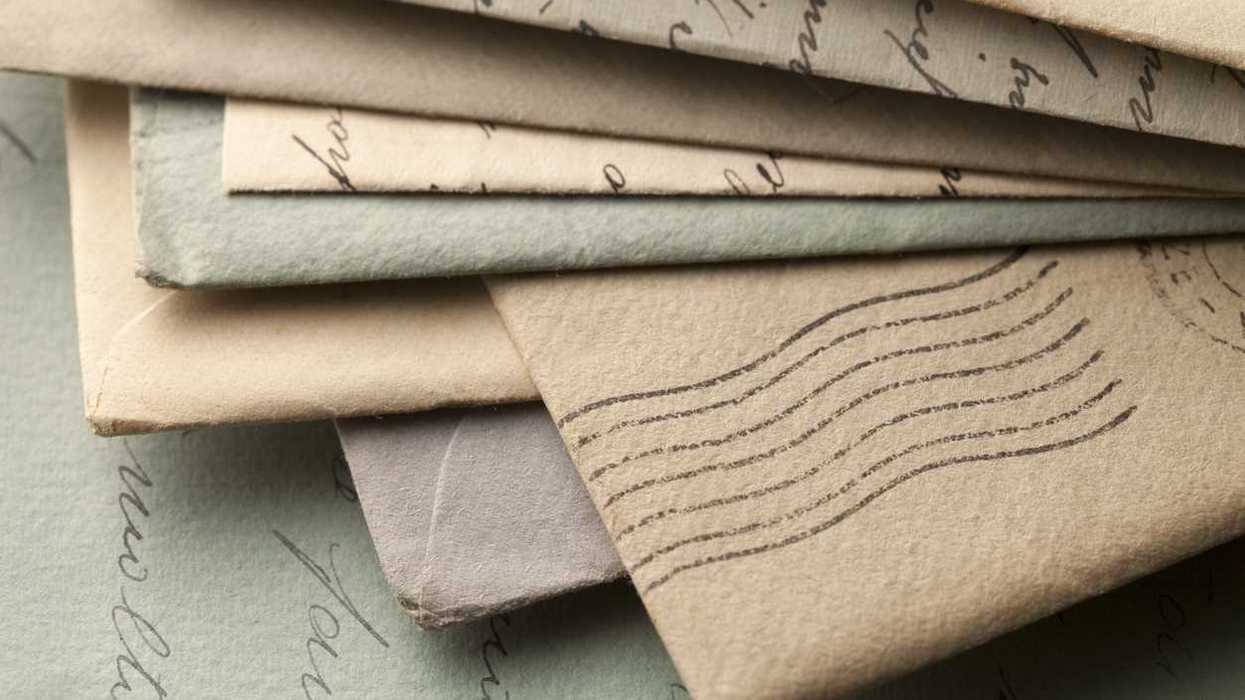
Well, a new rising wellness trend, forcing people to go analogue and show some love to the people in their lives is doing just that: Gratitude Correspondence.
We often perceive love letters as the ultimate romantic gesture, and the emerging trend urges you to put down your notes app, pull out your best stationary, and write a 'thank you' to someone who has made a difference to your life that week.
"We're seeing a genuine shift in how people approach wellness - It's not about grand gestures or expensive interventions anymore," notes David Cole, CEO of Pen Heaven.
"It's about small, consistent practices that force you to slow down and acknowledge the good things happening around you - writing one note a week seems to hit that balance between achievable and meaningful."
However, what makes gratitude correspondence different from journaling or mindfulness apps is that it's more than just a fleeting moment.
 iStock
By committing to take the time to write using your favourite pen and paper, sealing it, walking to a post box to send it, and then waiting for the receiver to open it, you're creating a real journey that has mutual benefit for the sender and receiver.
Plus, it has mutual benefit for both the sender and receiver.
It's not a chunky task that'll consume your every day to-do list either, and feels more personable than an email, a voice note, or a text with a heart emoji.
The person you choose doesn't need to have done anything extraordinary. It could be your colleague who covered your meeting, your partner who dealt with the plumber, the friend who sent something funny at exactly the right moment. Identifying one person each week who made your life slightly easier forces you to look for the good rather than fixating on what went wrong, and that habit turns out to be surprisingly hard to break once you've started.
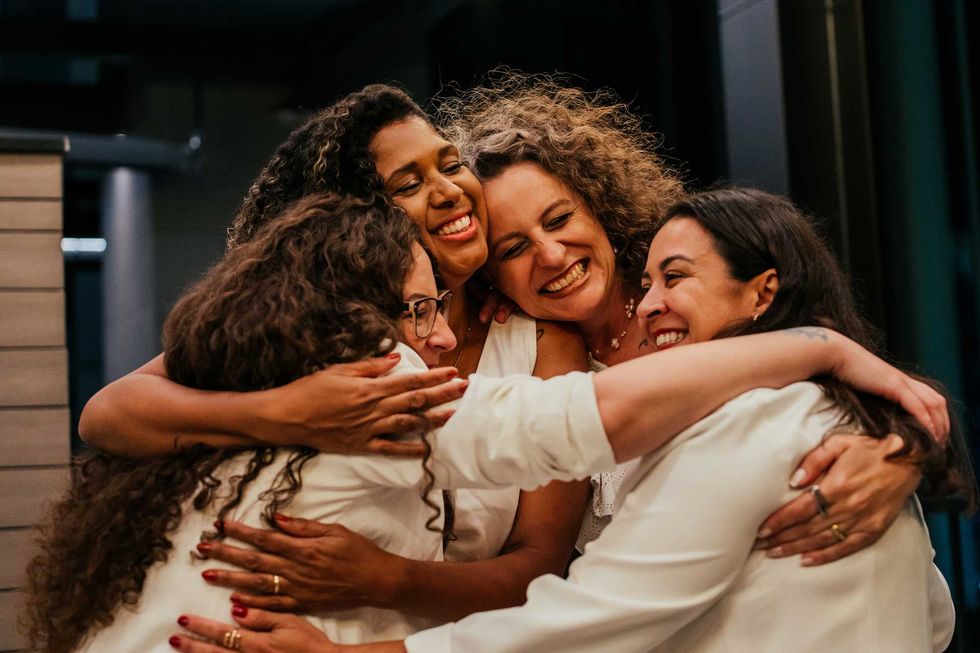
What's more, research suggests that people who practice gratitude live longer.
Gratitude itself has a number of positive health effects, including greater emotional and social well-being, better sleep quality, and improved cardiovascular health.
 iStock
What's more, a 2024 study surveyed 49,275 women with an average age of 79 on how grateful they were about various areas of life.
Four years later, researchers revisited the data, and found that 4,608 of the women had died.
However, what was particularly poignant was that those with gratitude scores in the highest third at the study's start had a 9 per cent lower risk of dying over the following four years than participants who scored in the bottom third.
The most common cause of death among those who had died was cardiovascular disease.
Similarly, another study found that those who practice gratitude have the correlation of decreased depression risk.
So, the next time you need an excuse to meaningfully say thank you to someone, consider making it a moment you'll both remember.
Why not read...
World-leading biohacker Gary Brecka on the longevity myth he wishes we’d stop believing
Sign up for our free Indy100 weekly newsletter
Top 100