The Conversation (0)
Trump
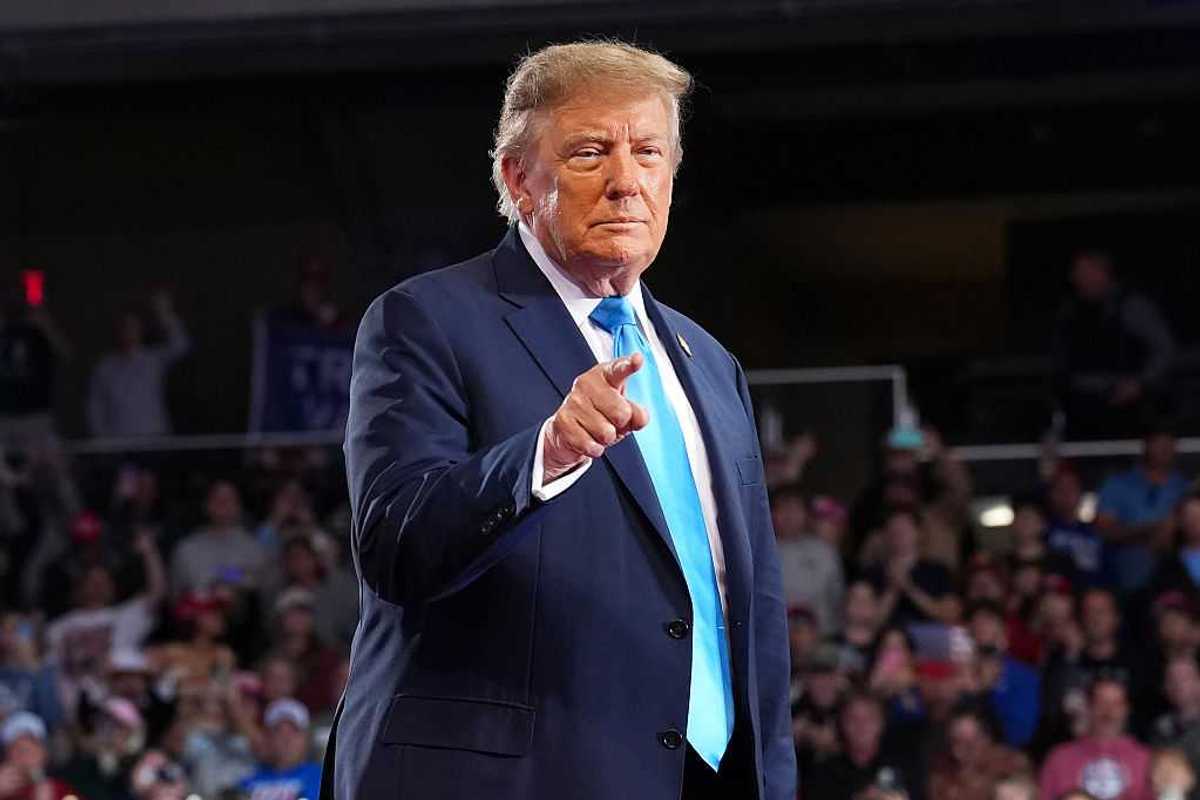
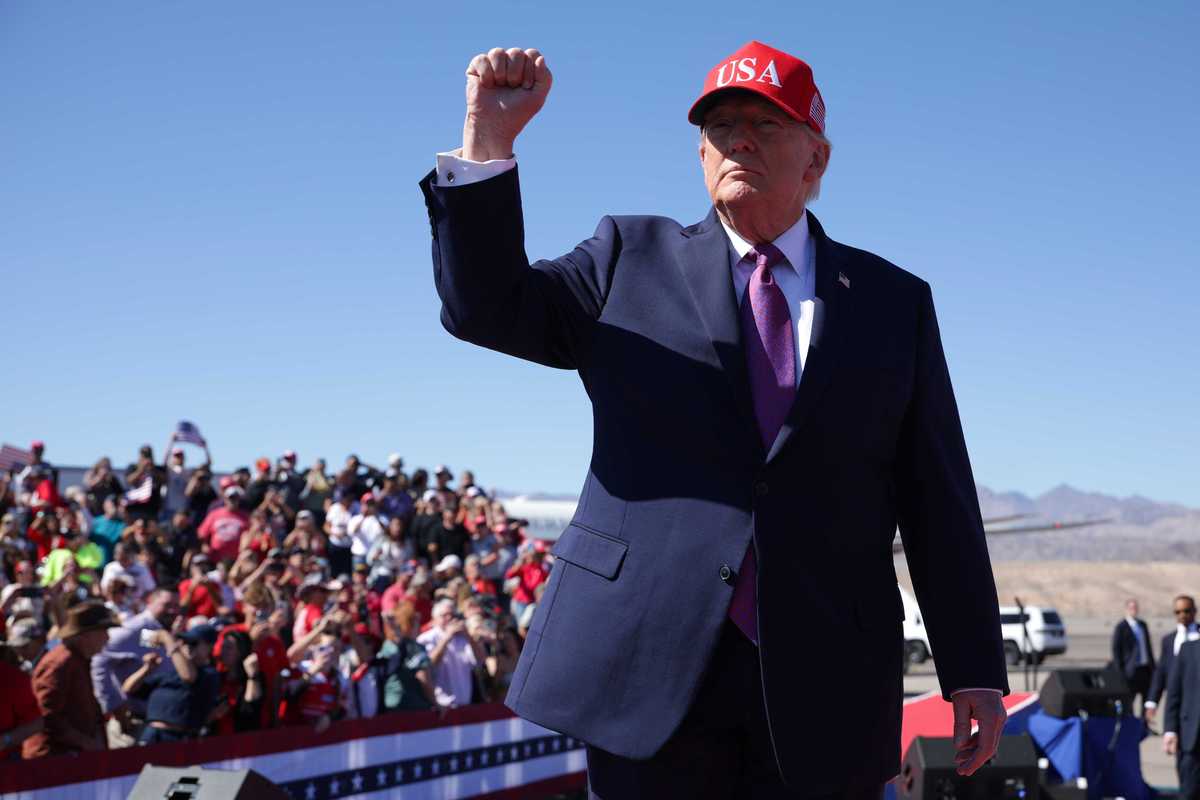
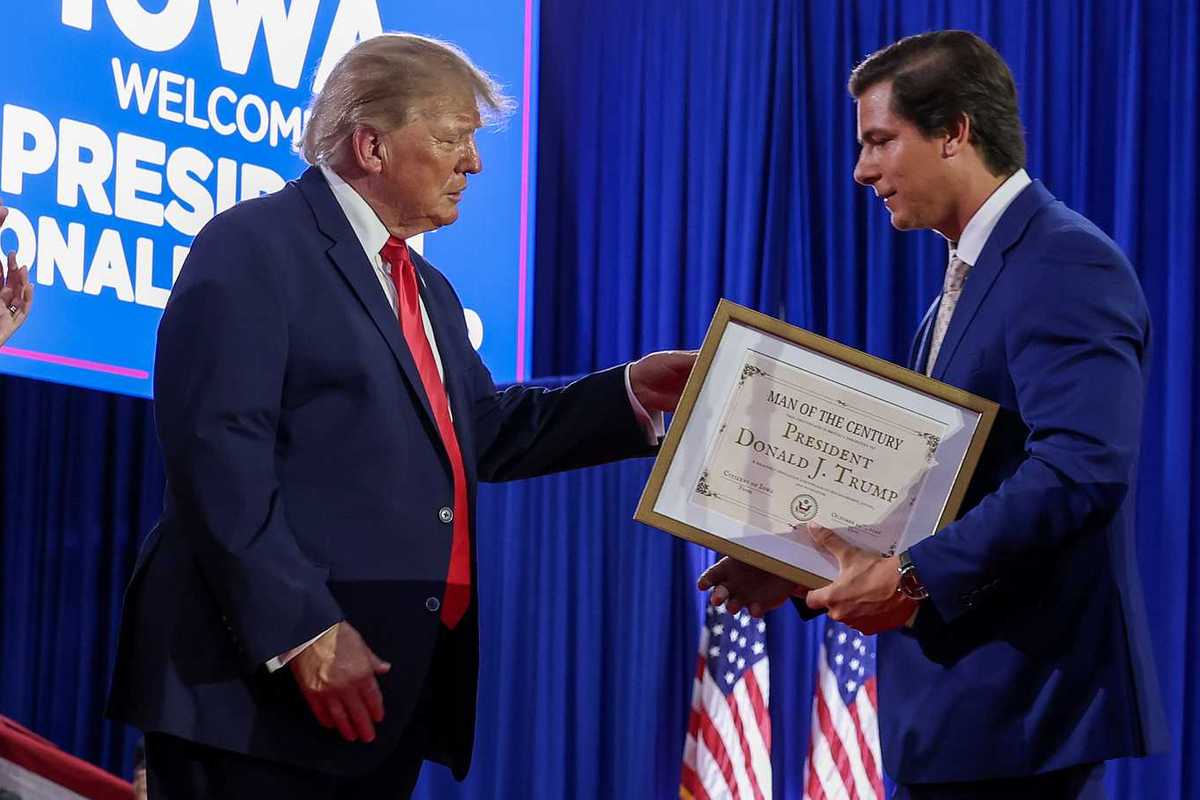
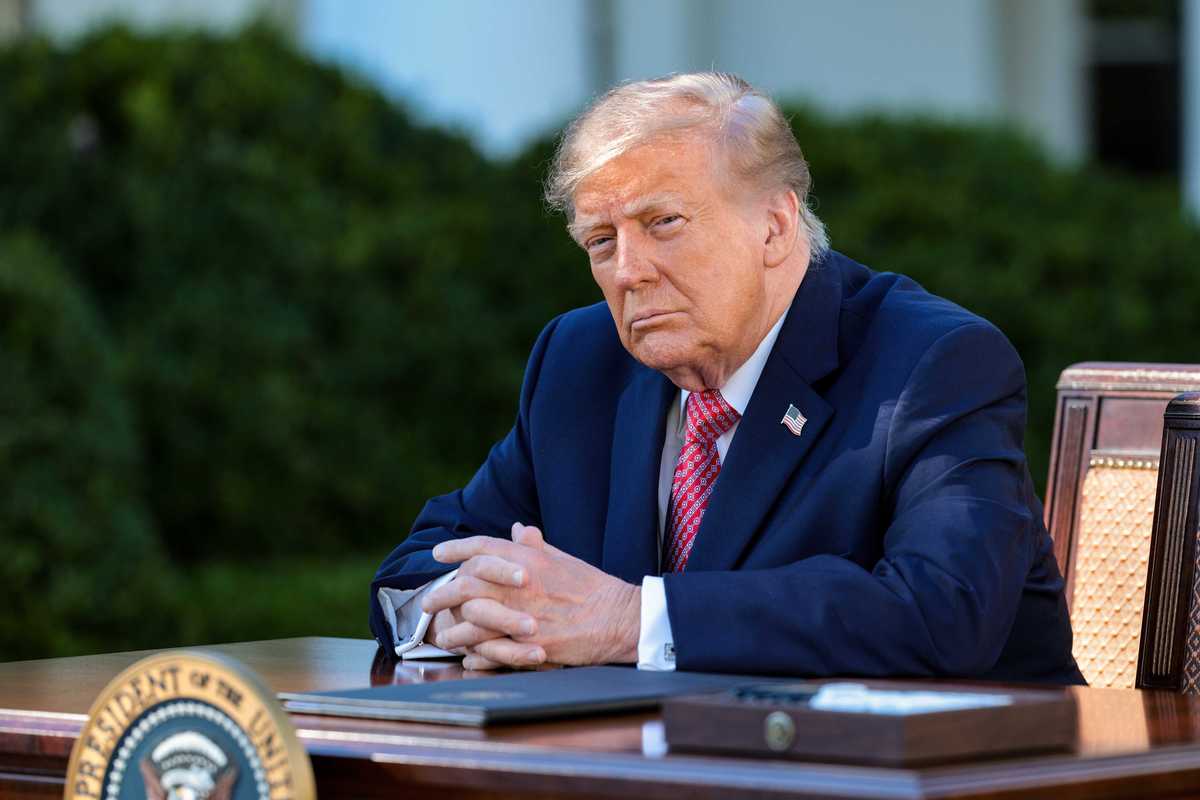
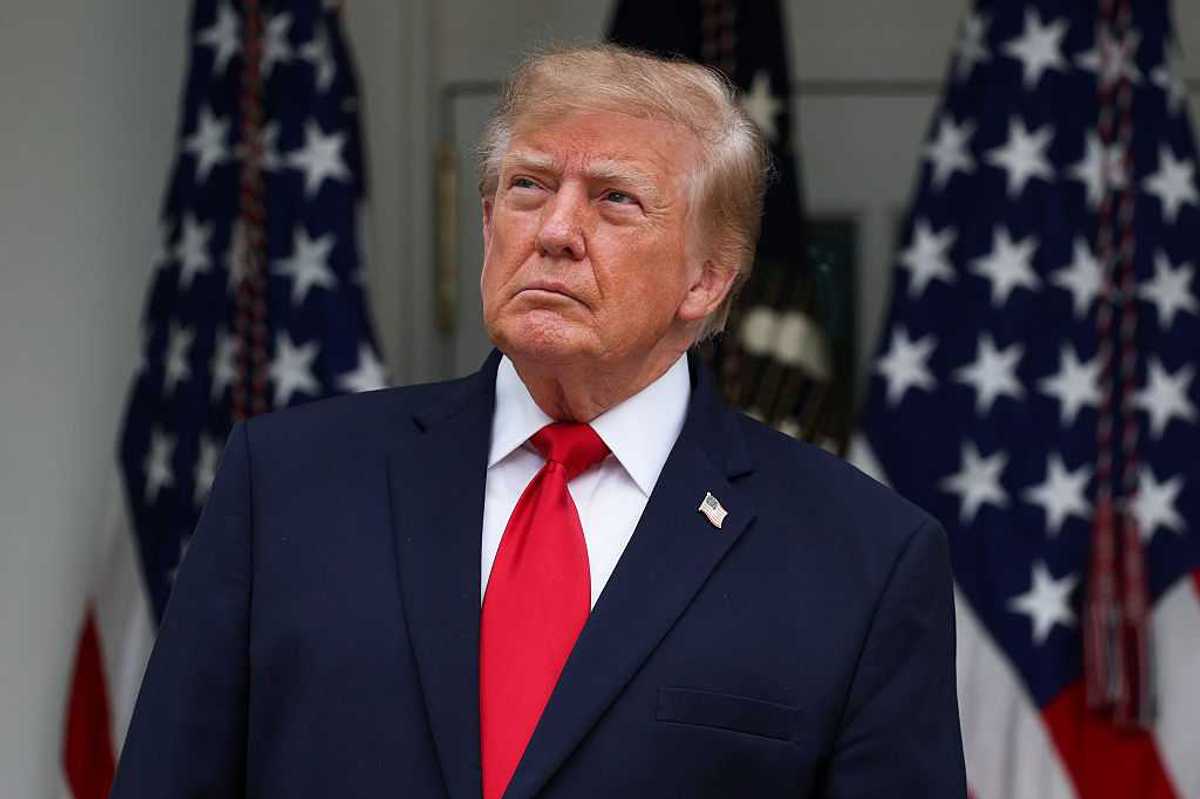
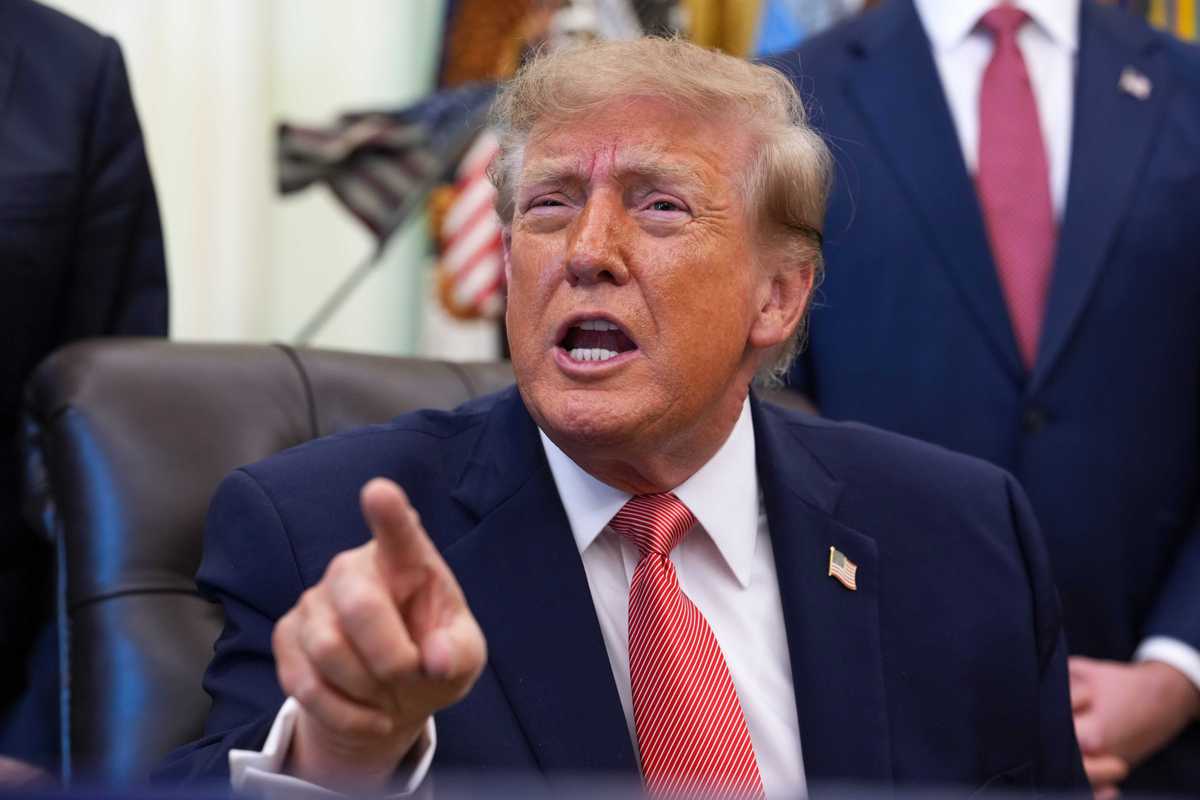
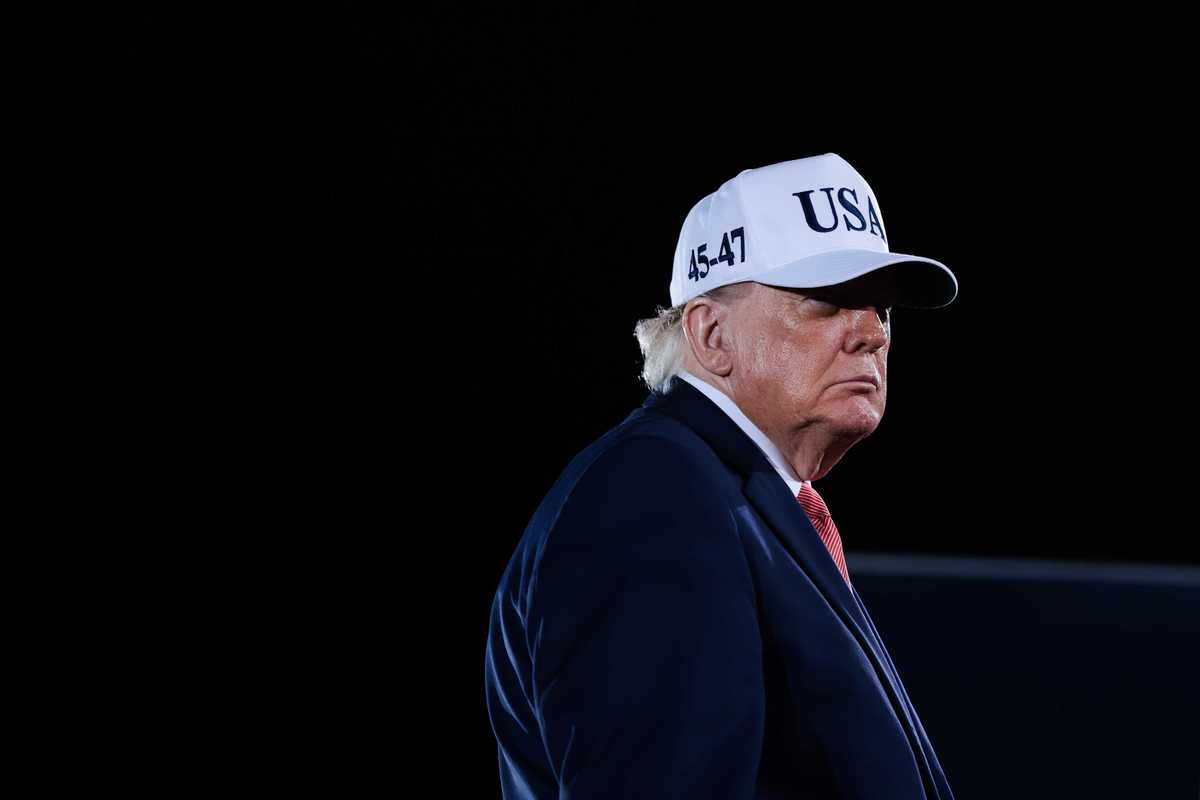
The annual White House Correspondents' Association dinner, a long-standing fixture on Washington’s spring social calendar, faces renewed scrutiny this weekend as President Donald Trump is expected to attend. His presence at an event honouring the press strikes many as incongruous, given his administration's consistently adversarial stance towards journalists.
Throughout his term, Mr Trump has frequently berated individual reporters, engaged in legal battles with prominent news organisations such as The New York Times, Wall Street Journal, and Associated Press, and restricted press access to the Pentagon. This animosity has become a defining characteristic of his relationship with the media.
The event, affectionately dubbed the "nerd prom" due to the sight of reporters in formal attire, is now layered with additional complexity. Many within the journalistic community are expressing discomfort at the prospect of toasting and laughing alongside individuals they regularly cover, particularly in light of the President’s rhetoric.
"This is sort of a critical moment for these dinners and it will be interesting to see what happens going forward," observed Lisa Stark, a former ABC News reporter, highlighting the significance of this year’s gathering.
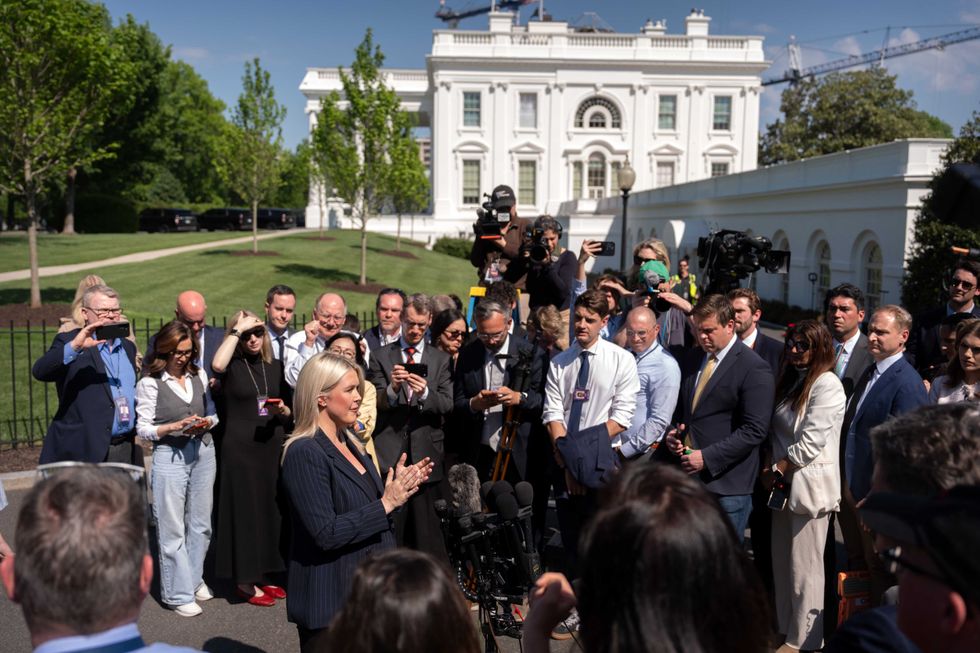 White House press secretary Karoline Leavitt speaks with reporters outside the White HouseAP Photo/Mark Schiefelbein
Ms Stark, alongside her long-time colleague Ian Cameron, has circulated a petition urging journalists attending Saturday’s event to "speak forcefully" in defence of press freedom with Mr Trump present. More than 350 former journalists, including Dan Rather and former ABC White House reporter Sam Donaldson, have signed. Some reporters are even considering visible protests, such as wearing lapel pins emblazoned with the First Amendment.
While Calvin Coolidge was the first president to attend the dinner in 1924, and chief executives typically make an appearance – often enduring jokes from comedians like Stephen Colbert, Colin Jost, and Trevor Noah – Mr Trump’s attendance this year marks a first for him as president. He previously attended in 2011, notably glaring from the audience during President Barack Obama’s barbs directed at him.
The sentiment among some media figures is stark. "The only thing more insulting for the press than Trump not coming is Trump coming," wrote Kelly McBride, NPR ombudsman and head of the Poynter Institute's ethics and leadership centre, last week.
Ron Fournier, a former AP White House reporter, echoed this criticism on Substack, writing: "This man mocks you, sues you, and targets you for prosecution, and you're having dinner with him?" In a clear act of protest, the top editor at HuffPost, a news website openly critical of Mr Trump, announced that its journalists would not attend Saturday’s dinner.
Weijia Jiang, the CBS News journalist who serves as president of the WHCA, offered no immediate comment. However, Todd Gillman, a former Washington bureau chief for the Dallas Morning News and now a journalism professor at Arizona State University, suggested that it was not the press’s role to create news by snubbing Mr Trump. He argued that the President would generate headlines regardless of his attendance, based on his remarks. Mr Gillman also countered the "misperception" that the correspondents are honouring Mr Trump by having him at the dinner.
The weekend is set to feature several potentially uncomfortable moments. CBS owners Paramount are reportedly hosting a separate dinner to honour Mr Trump on Thursday at the Institute of Peace, which was renamed for him last year. This comes as Paramount awaits government approval for its deal to acquire Warner Bros. Discovery, raising questions of potential influence.
Should Mr Trump choose to remain at the correspondents’ dinner on Saturday, he will witness the WHCA present awards to journalists he has openly criticised. CNN’s Kaitlan Collins is among the honourees. The Wall Street Journal is being recognised for its reporting on Mr Trump’s birthday message to convicted sex offender Jeffrey Epstein – a story for which the President sued the newspaper. The Associated Press, currently embroiled in a court battle with Mr Trump over access, is also set to be honoured and will attend.
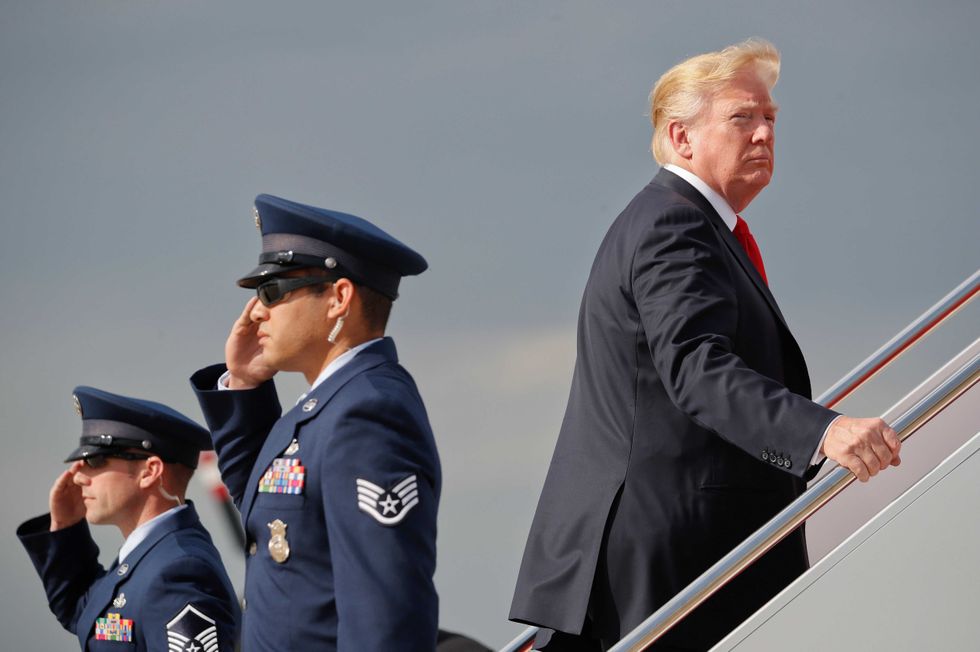 Donald Trump boards Air Force One during his departure from Andrews Air Force One Base, Md., April 28, 2018. Trump traveled to Michigan to speak at a rally on the same night as the White House Correspondent's Dinner, the second straight year Trump as skipped the event with the White House Press Corps AP Photo/Pablo Martinez Monsivais
The debate over the appropriateness of journalists appearing to socialise with the president and his staff is not new. The New York Times ceased attending the event in 2011 for this very reason, and The Atlantic magazine famously declared the "slow, awkward death" of the correspondents’ dinner in 2018.
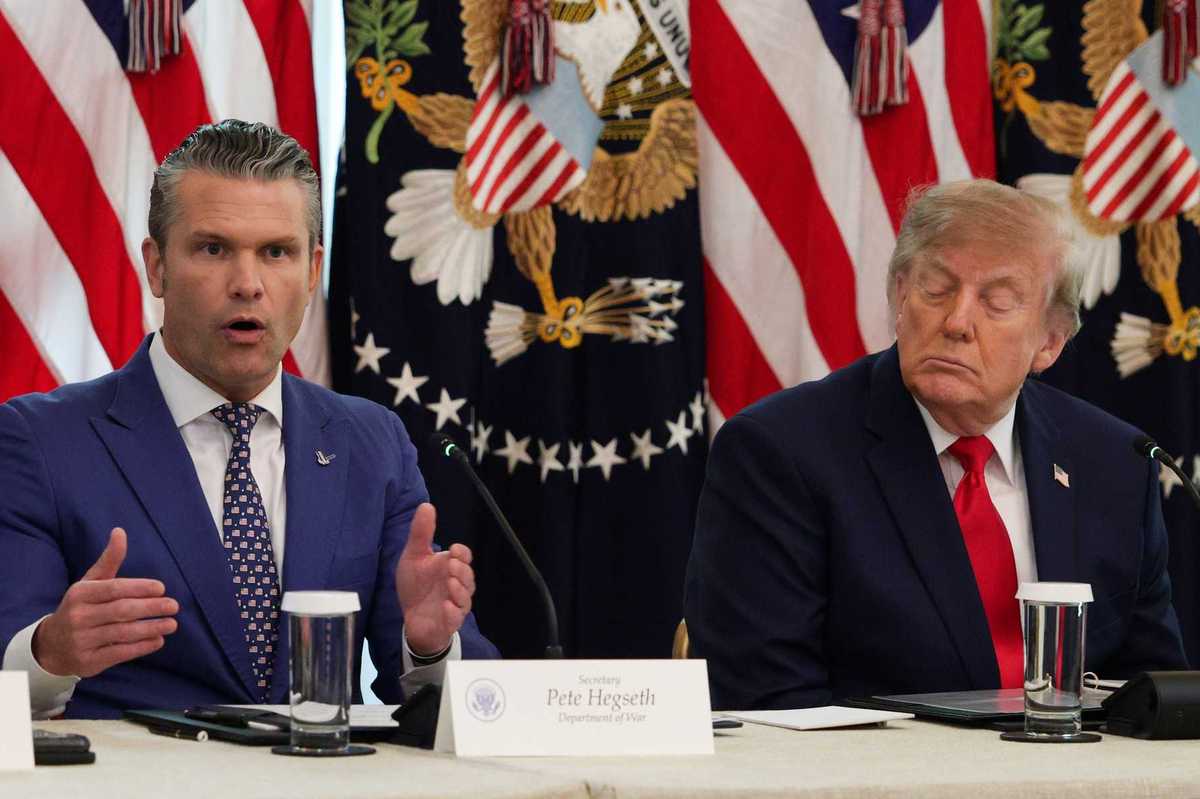
Ms McBride reiterated her view that correspondents should acknowledge that "a red-carpet schmoozefest with the powerful sources they cover was never a good idea." News organisations will also face scrutiny this weekend over the administration officials they invite as guests to their tables, with CBS News reportedly inviting Defence Secretary Pete Hegseth.
Conversely, many journalists who have attended the dinner argue that the opportunity for personal interactions with those they cover can prove invaluable in their work. Mr Gillman, for instance, has brought Mexican ambassadors as guests, fostering important contacts for a Texas newspaper reporter. NPR journalist Eric Deggans recounted on Substack how he secured an interview with media mogul Byron Allen after making a connection at the WHCA dinner.
"Even if you’re not sitting with an administration official, you have the opportunity to walk up to someone, say hi, break the ice and give them a business card," Mr Gillman explained. "It puts a face to the name, so maybe they’ll return your call the next time."