
The Conversation (0)
Trump
Related video: Trump says US 'needs' Greenland from a national security standpoint
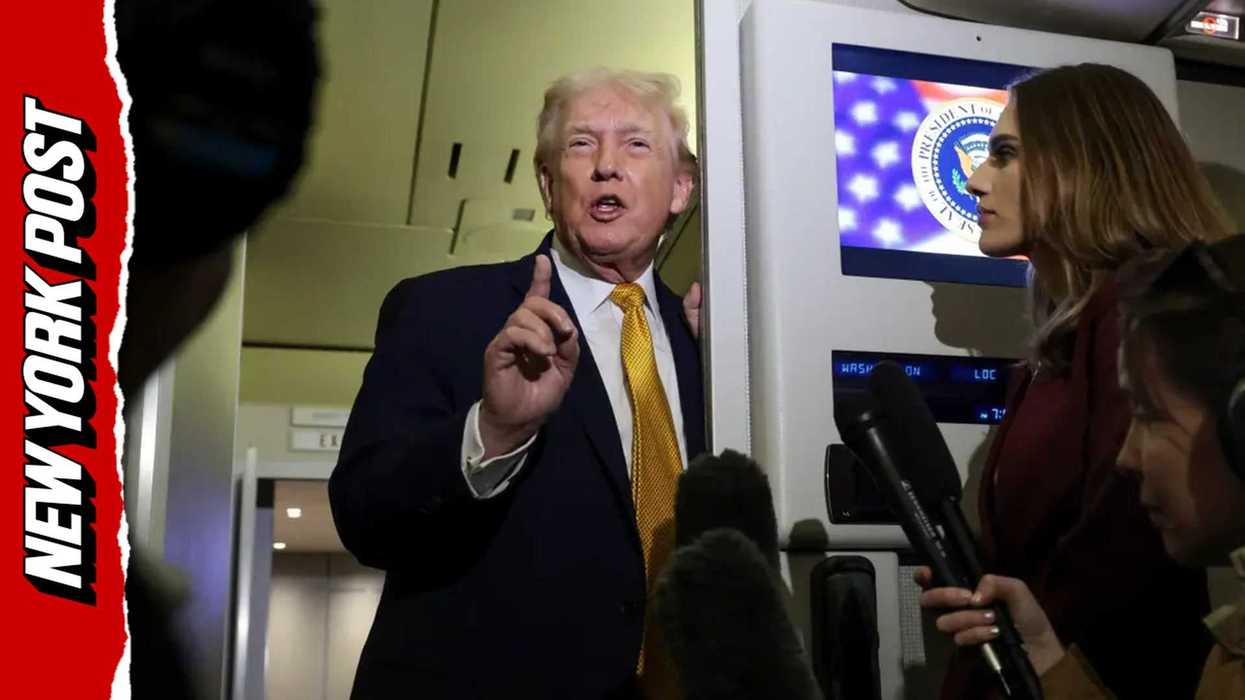
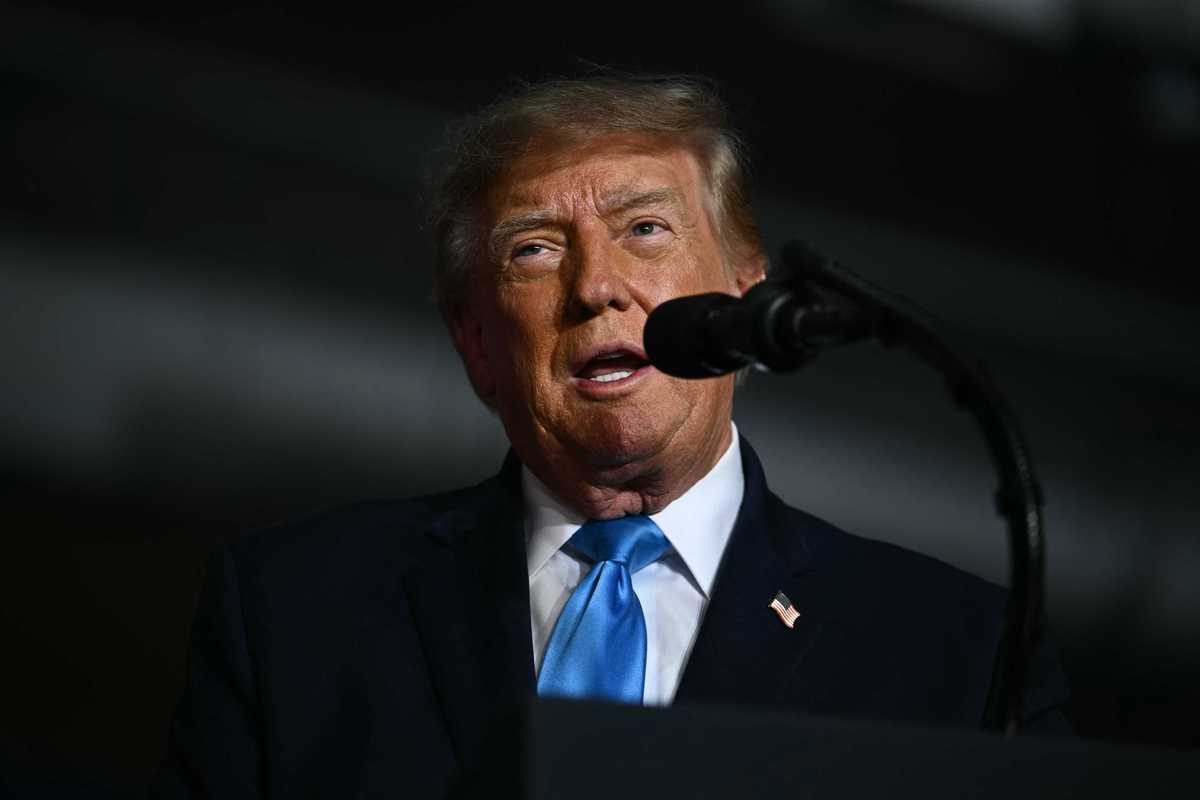
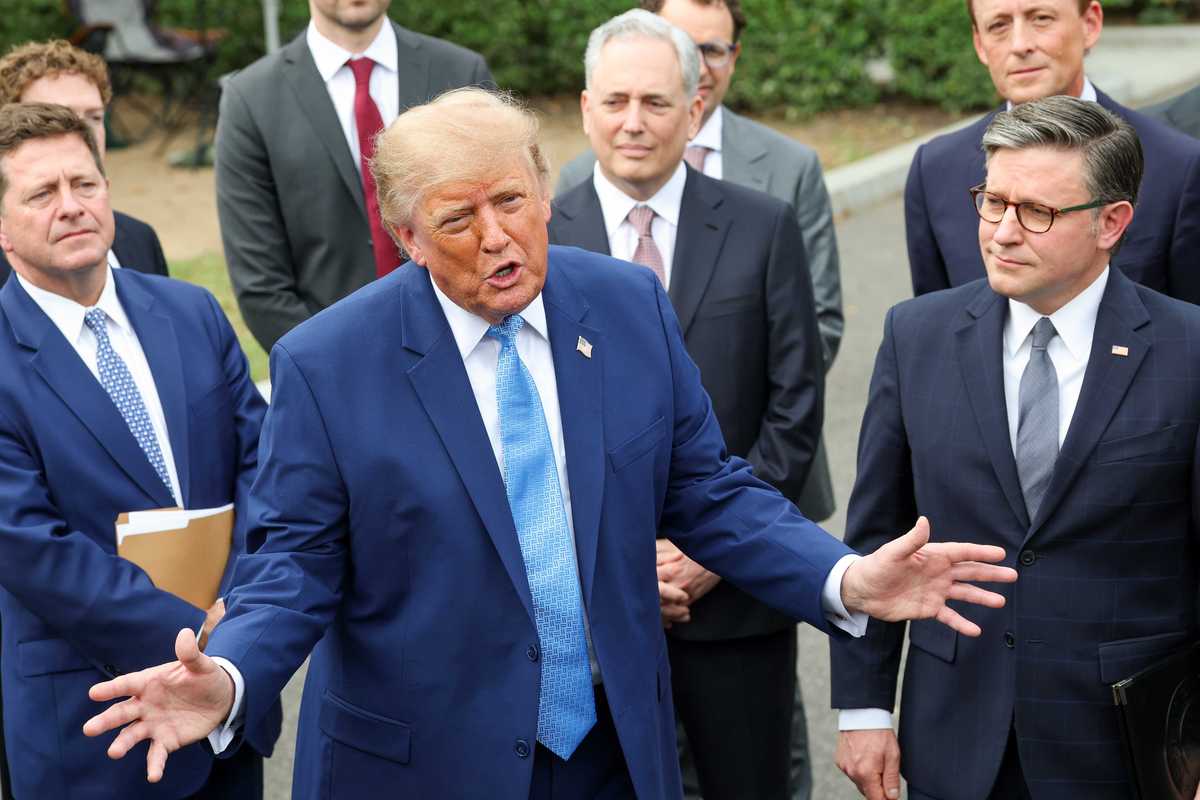
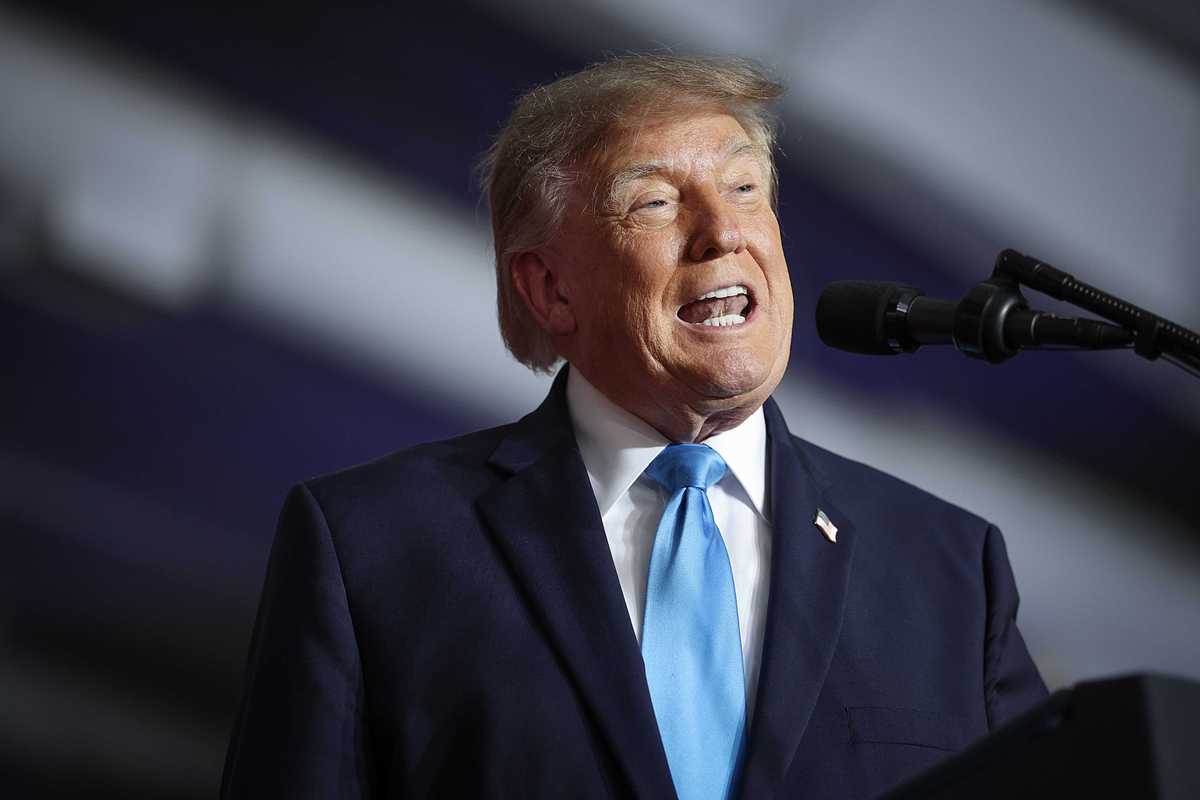
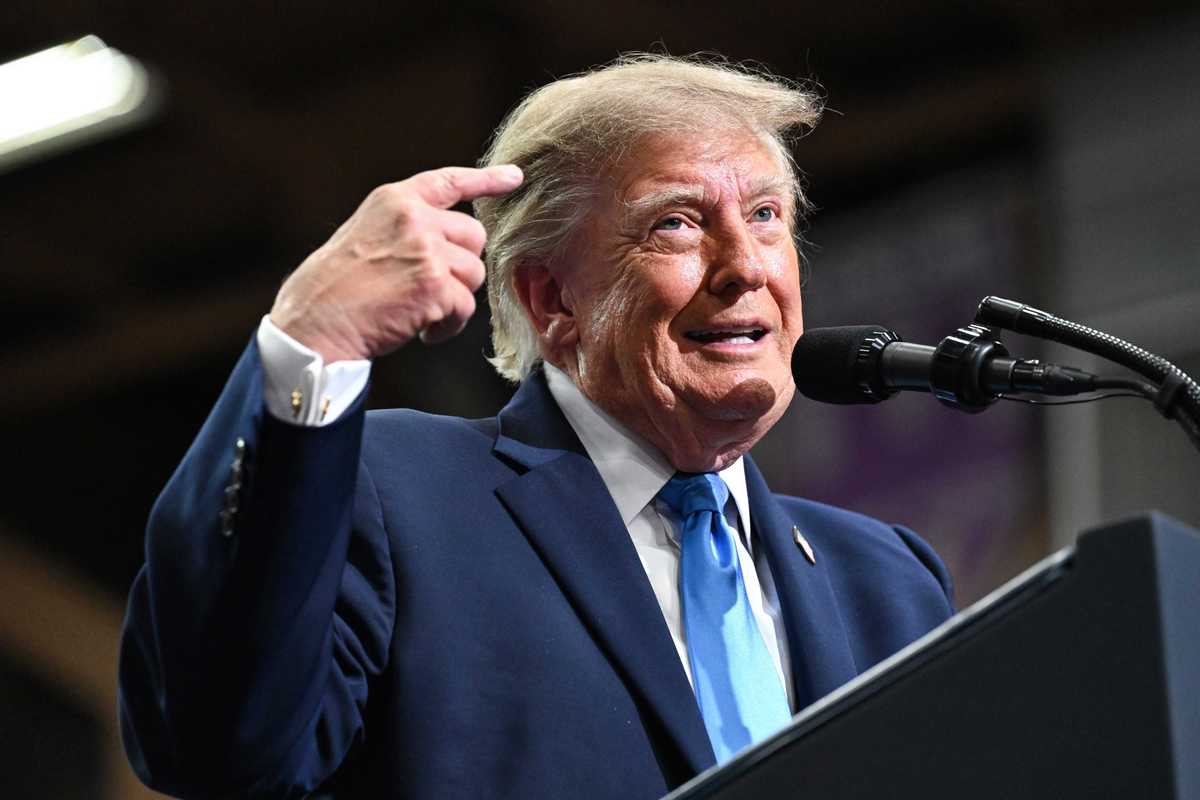
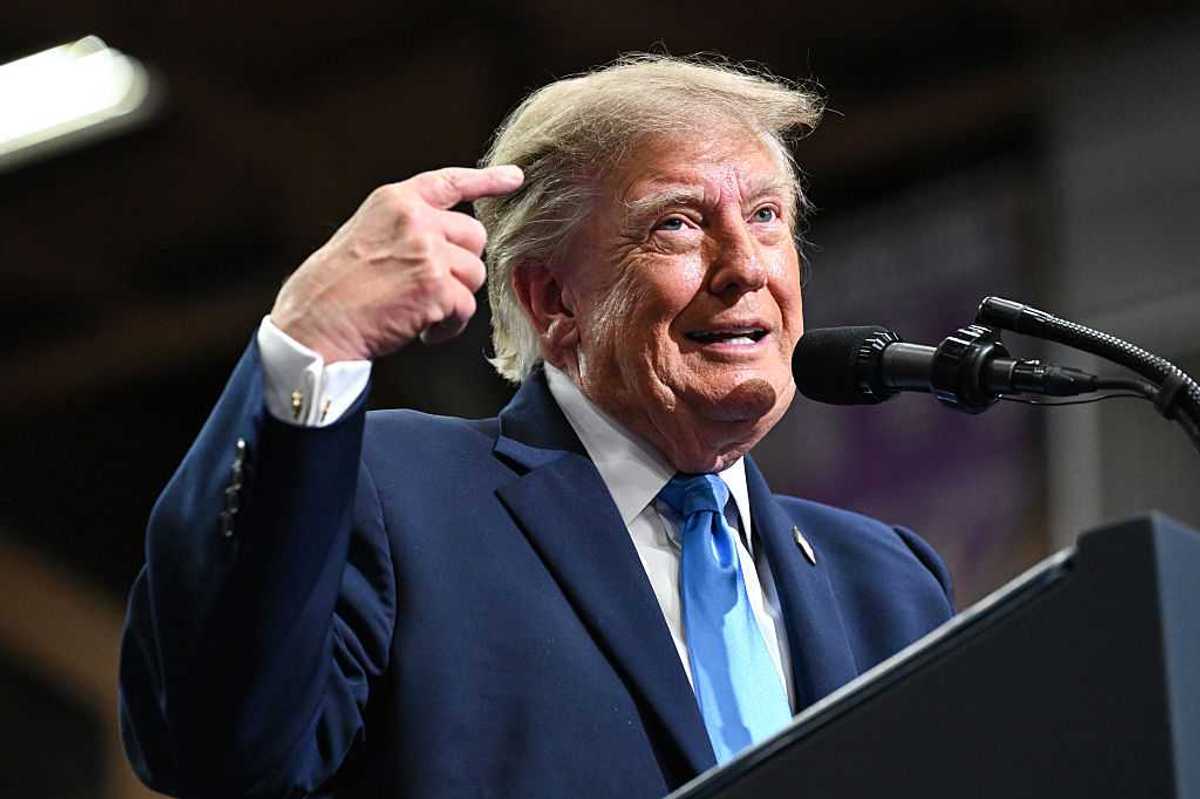
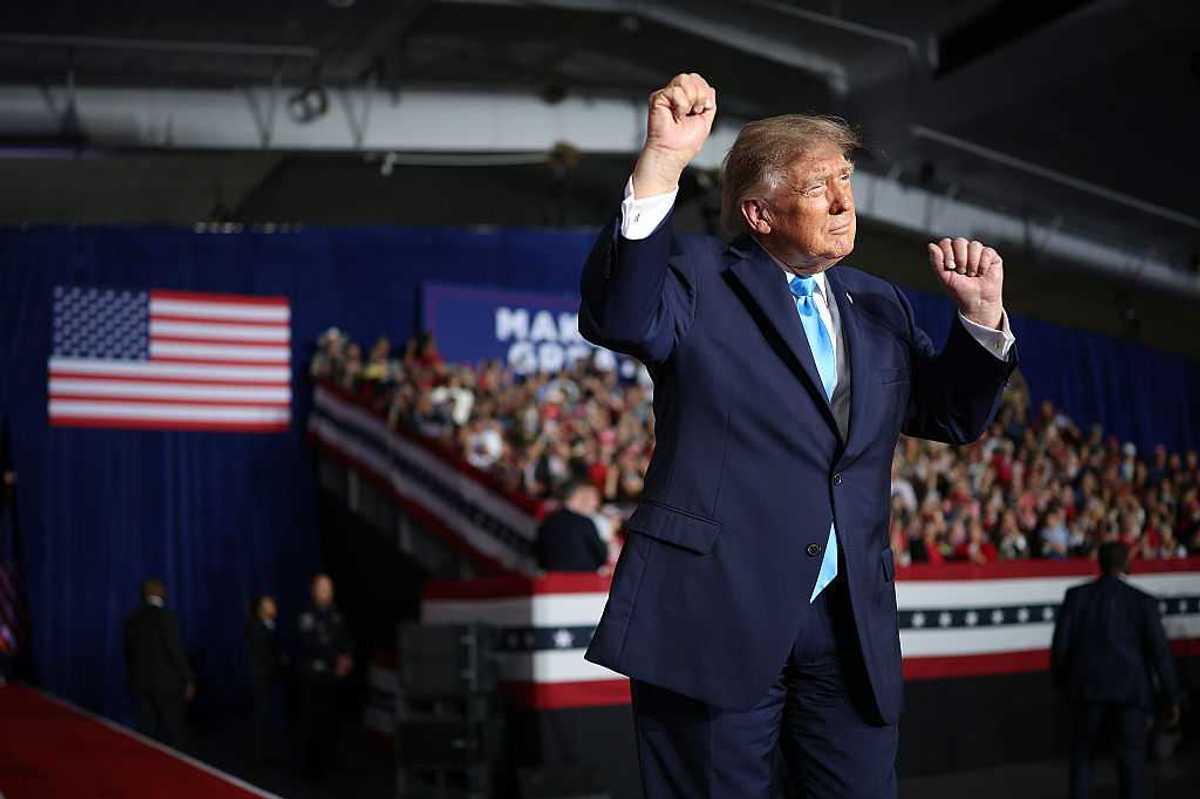
US president Donald Trump continues to spark widespread concern and condemnation following his recent actions on Venezuela, with the Republican telling reporters onboard Air Force One on Sunday that America is “in charge” of the country following its military action the day before.
Hours prior, secretary of state Marco Rubio appeared on CBS News’ Meet the Press and was asked if the US government is currently running Venezuela.
Rubio replied: “People are fixating on that. Here’s the bottom line on it: we expect to see changes in Venezuela.
“Changes of all kinds – long-term, short-term, we’d love to see all kinds of changes – but the most immediate changes are the ones that are in the national interest to the United States. That’s why we’re involved here.”
Trump, meanwhile, was more direct on Air Force One, saying: “Don’t ask me who’s in charge, because I’ll give you an answer, and it’ll be very controversial.”
When asked what he meant by that, the US president added: “It means that we’re in charge. We’re in charge.”
So where exactly did all this come from, and what’s likely to happen next?
Allow us to explain…
Trump took to Truth Social on Saturday to announce that the US had carried out “a large scale strike” against Venezuela and had “captured” the country’s president Nicolás Maduro and his wife, Cilia Flores, who were being “flown out of the Country”.
The US president later posted a picture of Maduro on board a US warship en route to America.
Attorney General Pam Bondi later announced that Maduro had been charged with “narco-terrorism conspiracy, cocaine importation conspiracy, possession of machine guns and destructive devices, and conspiracy to possess machine guns and destructive devices against the United States”.
As for the why, the US has previously seized oil tankers off the coast of Venezuela, with homeland security secretary Kristi Noem saying on social media in December that America “will continue to pursue the illicit movement of sanctioned oil that is used to fund narco terrorism in the region”.
Trump, meanwhile, has pointed to immigration as one reason, telling Fox News presenter Peter Doocy in the same month: “One of the things it’s about is the fact that they’ve allowed millions of people to come into our country from their prisons, from gangs, from drug dealers, and from mental institutions.”
One month prior, the US Department of State had announced plans to designate Cartel de los Soles as a “foreign terrorist organisation”, in a press statement which also saw the department allege that such an organisation is “headed by Nicolás Maduro” – an allegation Maduro has denied.
Jimmy Gurule, a Notre Dame Law School professor and former assistant US attorney, said America’s intervention is “clearly a blatant, illegal and criminal act”.
“Courts give great deference to the president on issues related to national security, but great deference does not mean absolute deference and unfettered authority to do anything,” he added.
Matthew Waxman, a former national security official in Bush’s administration and now a Columbia University law professor, commented: “The president will claim that this fits within a vast body of precedent supporting broad executive power to defend the United States, its citizens, and its interests.
“Critics will charge that this exceeds the bounds of presidential power without congressional authorization.”
And former Air Force lawyer and professor emeritus at the US Naval War College, Michael Schmitt, said the entire operation – both the boat strikes and Maduro’s apprehension – clearly violates international law.
He said: “Lawyers call it international armed conflict. Lay people call it war.
“So as a matter of law, we are now at war with Venezuela because the use of hostilities between two states clearly triggers an internal armed conflict.”
No.
A report by The Hill cites a source familiar with the matter and says the “Gang of Eight” – that is, the collective term for the Democrat and Republican leaders of the Senate and House, plus the chairmen and ranking members of the respective intelligence committees – were only told about the US administration’s ‘capturing’ of Maduro after it began.
Well, before he was captured and taken to New York, it was Maduro.
His presidency up until that point was surrounded in controversy over an economic collapse, alleged rigged elections and human rights abuses, severe food shortages, and crackdowns on protests in 2014 and 2017.
Maduro was a week off marking his first year of his third six-year term as president when he was captured by the US on 3 January.
He was sworn in back in January 2025 following a 2024 election condemned as fraudulent by international observers and opposition leaders.
An exit poll published by independent pollsters Edison Research gave the result as opposition rival Edmundo Gonzalez winning with 65 per cent of the vote, with Maduro on 31 per cent – a stark contrast to the national electoral authority’s claim that Maduro had secured a third term with 51 per cent.
Following Maduro’s capture by the US, vice president Delcy Rodriguez is now set to be sworn in as president, and she’s already faced threats from Trump, who said she would “pay a very big price, probably bigger than Maduro” if she “doesn’t do what’s right”.
Why not read…?
Sign up to our free Indy100 weekly newsletter
How to join the indy100's free WhatsApp channel
Have your say in our news democracy. Click the upvote icon at the top of the page to help raise this article through the indy100 rankings.