
The Conversation (0)
Science & Tech
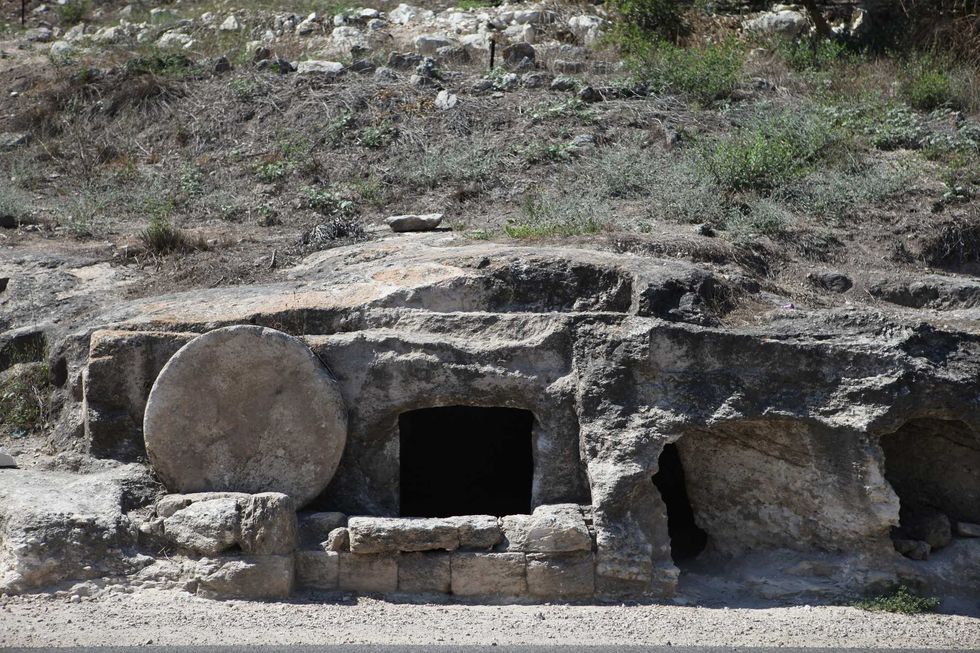
A decision for archaeologists to open the tomb of Polish King Casimir IV Jagiellon back in 1973 ended up having deadly repercussions.
Typically there was strictly limited access to ancient monuments as sanctioned by the state, however there can an exception when Archbishop of Krakow Karol Wojtyła (the future Pope John Paul II) gave a research team special permission to enter the monarch's tomb located in Wawel Royal Castle’s chapel.
For context, King Casimir IV Jagiellon born in 1427, first became the Grand Duke of Lithuania in 1440 and then the King of Poland in 1447 and reigned until his death in 1492 at the age of 65 - so the unsealing was a historic moment.
However, this event became historic for different reasons as just days after the tomb was opened, four out of the of the 12 researchers who had entered the crypt were dead.
And the death toll didn't stop there, as weeks later it rose to 10 people.
 iStock
Fast forward a few years, and the number of people who died that had either entered the tomb or had worked on the body in a laboratory increased to 15 people.
The first thing that might pop into your head is a "mummy's curse."
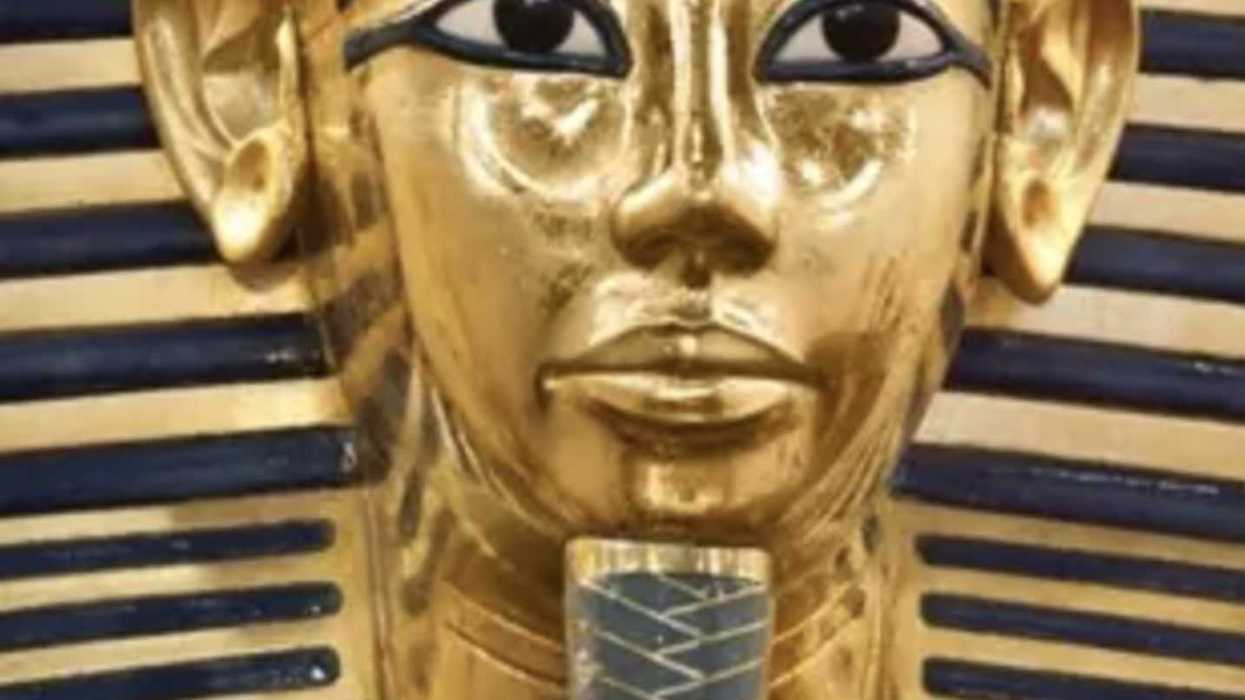
But to understand the modern myth of the "mummy's curse" we have to go back five decades earlier in 1922, the year that King Tut’s tomb was opened.
Five weeks on from this historic opening, expedition leader Lord Carnarvon died which led to public speculation and belief that the site was cursed.
As for his cause of death, Carnarvon is thought to have passed due to a unusual mix of an infected mosquito bite and pneumonia - however, this belief has since been challenged.
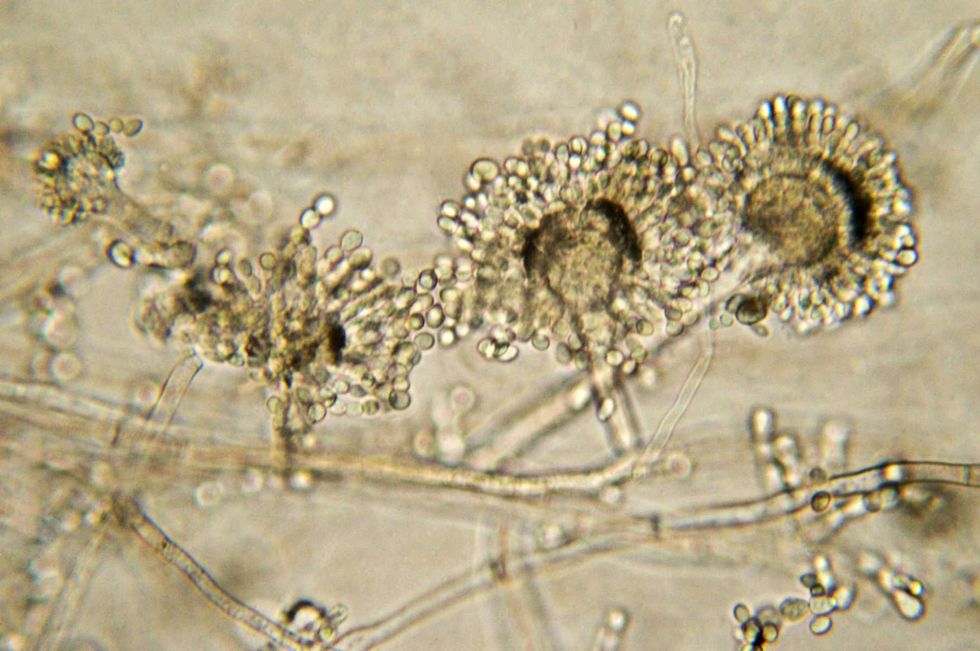
In 2003, a study was conducted by The Lancet who reviewed Carnarvon's symptoms and it concluded that it "remains a possibility" a invasive fungus aspergillosis—inhaled directly from the tomb - caused a fatal infection.
As this study was done in hindsight decades later, Polish researchers in 1973 were unaware of this possible fatal fungus link and even reportedly joked about the curse before entering - but the joke quickly turned serious when the deaths rose.
Decades on in 2015, a study was conducted by Journal of the Air & Waste Management Association where air and surfaces across a range of crypts, including Wawel and others in Poland were sampled and tested, and the results were notable.
“Fungal numbers within the crypt exceed recommended limits for occupational exposure,” researchers wrote. “Employees working in the crypts should know about these hazards.”
How did this deadly fungus grow?
 iStock
Our attentions would turn to the fair and surfaces across a range of crypts, including Wawel and others in Poland which are thought to have contributed to the growth of the fatal fungal spores.
In the days after the king's death, it was extremely hot which meant that his body was already decomposing by the time it was covered with a cloth and buried in a basic wooden coffin.
Therefore, when the research team opened the tomb almost 500 years later (April 13, 1973), the coffin had rotted away, but the fungus remained and was thriving in those conditions.
From a sample of Casimir’s tomb, the researchers found mixture of fungi, including Aspergillus, Penicillium rubrum, and Penicillium rugulosum which would normally just result in fevers and inflammation.
However, this combination can be fatal when inhaled in the massive concentrations like what was found in the crypt.
This combined with an already-weakened immune system from a different infection, the fungi can spread in the lungs to create a fatal condition or quietly fester in the body for an extended period.
Why not read...
Sign up to our free indy100 weekly newsletter
Have your say in our news democracy. Click the upvote icon at the top of the page to help raise this article through the indy100 rankings.