










The Conversation (0)
Science & Tech
Black Mirror IRL: Former Disney Channel star creates AI versions of your dead loved ones
Many of us will know of the episode “Be Right Back” from Charlie Brooker’s eerie anthology series Black Mirror, where Hayley Atwell’s Martha uses artificial intelligence to communicate with her dead boyfriend Ash (played by Domhnall Gleeson).
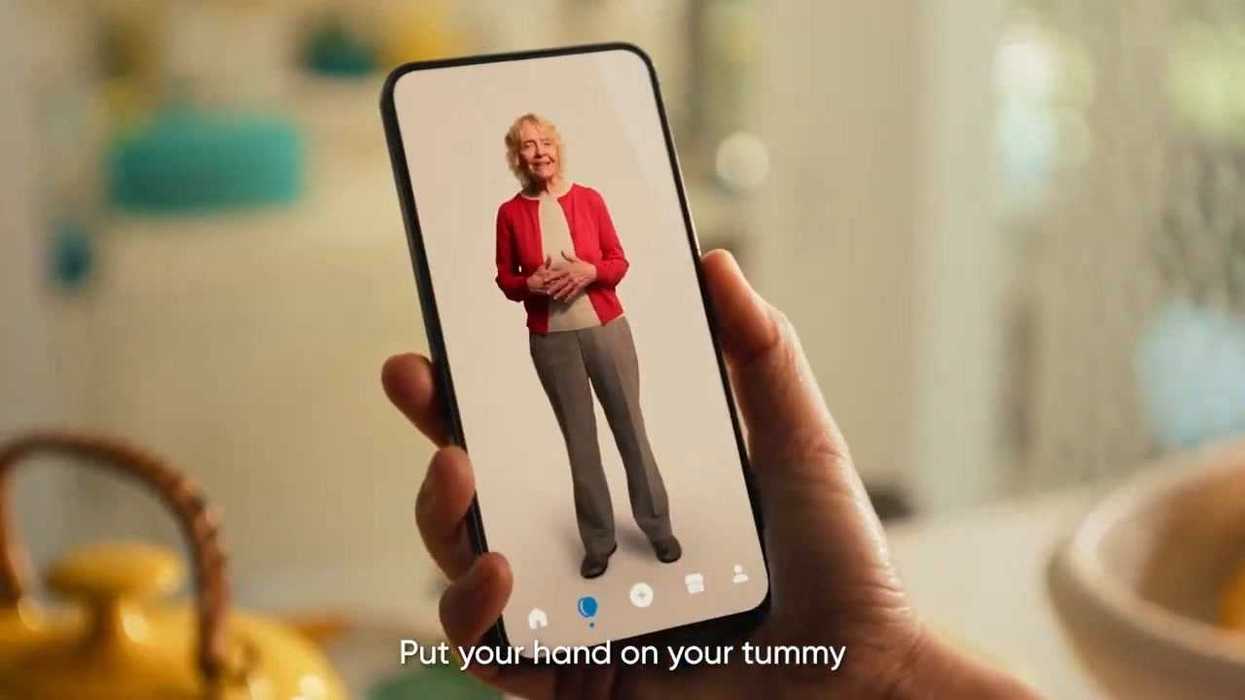
It’s already made the move over into real life, with former Disney Channel star Calum Worthy sparking controversy with his AI app 2wai, which allows users to communicate with an AI avatar of a deceased loved one.
But in addition to Black Mirror highlighting the impact this can have on people, Canadian AI ethicist Emmanuelle Marceau, of the School of Public Health at the University of Montreal, has penned a piece for The Conversation warning that such technology could bring about a type of grief known as pathological grief.
She writes: “Many people use this technology on their own and are more vulnerable to addiction or seek to escape the reality of grief. They are at risk of falling into so-called pathological grief.
“This is complicated or prolonged grief, characterized by its duration and intensity (an inability, after more than a year, to cope with emotional distress, to resume daily activities or to find meaning in life).”
The same article also outlines the three categories of people for whom posthumous digital avatars can have an impact on their autonomy, with all three at risk of “losing control over the perpetuated identity of the deceased person”.
These are:
“Understanding the main risks and ethical issues raised by artificial immortality is a crucial step in considering how these avatars should be used. We need to keep reflecting on the merits of the rise of these avatars in order to preserve human dignity — whether posthumous or not — and to prevent abuses in a world undergoing profound transformation,” Marceau concludes.
A recent paper penned by Marceau and two students on ‘artificial immortality’ is available in French on the Open Edition Journals website, with an abstract available in English.
Why not read…?
Sign up to our free Indy100 weekly newsletter
How to join the indy100's free WhatsApp channel
Have your say in our news democracy. Click the upvote icon at the top of the page to help raise this article through the indy100 rankings.