The Conversation (0)
Insomnia + Sleep Apnea The Dangerous Duo You Must Know
WooGlobe - News / VideoElephant
The blissful lie-ins of youth often give way to increasingly early starts as we age, leaving many to wonder why our sleep patterns shift so dramatically. Is waking with the larks an inevitable part of growing older, or a sign that something is amiss?
To shed light on this common phenomenon, we consulted Dr Katharina Lederle, a sleep and circadian rhythm specialist at London General Practice, who outlined several key reasons behind these unwelcome dawn awakenings.
One primary factor is a natural shift in our sleep-wake cycle, which tends to advance with age. Dr Lederle explains: "The length of the circadian rhythm doesn’t change, but it does tend to move to an earlier time. We call this a ‘phased advance’ and that’s one common reason why older people wake up earlier."
Hormonal fluctuations also play a significant role. Melatonin, the hormone signalling nighttime to our bodies, decreases in quantity as we age. "The amount of melatonin that is released over the course of the night decreases as we age," Dr Lederle notes. "This can lead to lighter sleep, which we can be more easily woken up from."
 PA
PA
Moreover, the prevalence of chronic health conditions increases with age, often impacting sleep quality. "Any health condition that makes you or your body feel uncomfortable when you sleep, such as arthritis, can disrupt your sleep," says Dr Lederle. Lighter sleep means the brain is more attuned to physical discomfort, contributing to earlier waking.
Certain medications can also interfere with sleep. Dr Lederle advises: "It’s important to talk to your GP about the potential side effects of any medication because they could affect your sleep."
Changes in bladder function are another common culprit. Nocturia, the frequent need to urinate during the night, becomes more common with age, particularly in men, leading to increased early morning awakenings.
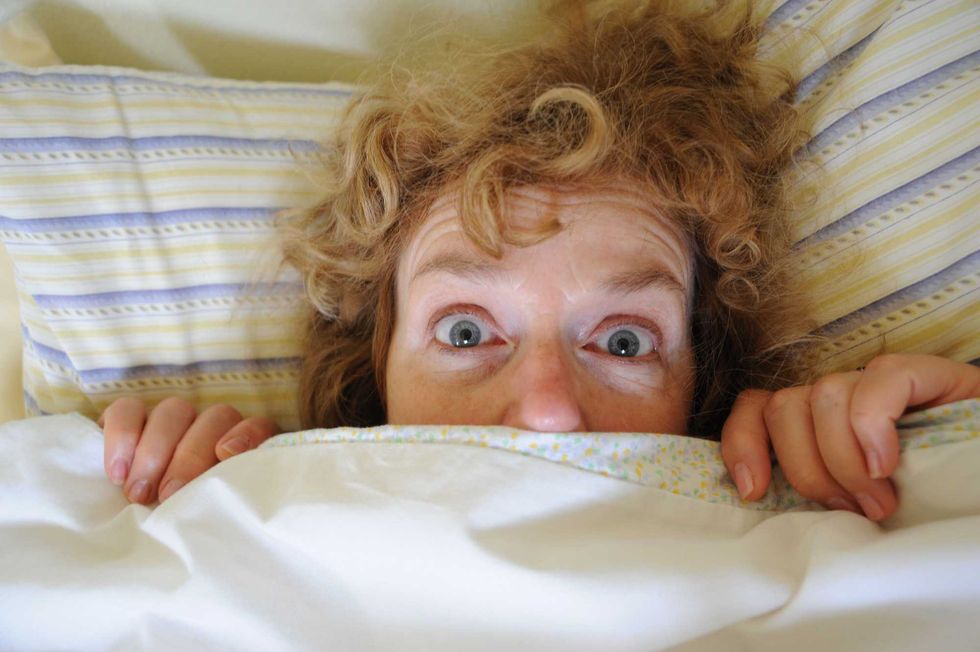
Sleep disorders, too, can cause premature waking. "Sleep disorders such as insomnia are more prevalent in the elderly and can lead to difficulties falling asleep, staying asleep and waking up too early," Dr Lederle explains. She adds that "sleep apnoea is also significantly more common in postmenopausal women." Anyone suspecting a sleep disorder should consult their GP.
 PA
PA
So, should early risers be concerned? "If you are worried about waking up earlier, firstly check whether there is an underlying health condition that could be causing this," Dr Lederle advises. "If there’s nothing wrong with you in that sense, try not to stress about it. Waking up early doesn’t mean there’s something wrong with you, as it can just be a normal part of ageing."
She suggests that if you find yourself awake at dawn, "remember that you don’t have to get up. Allow yourself to just stay in bed and rest and maybe read a book or listen to the radio." For those wishing to adjust their schedule, Dr Lederle recommends either adapting your day to an earlier start or attempting to shift your sleep later by using "timed light exposure" to push back your bedtime.
Top 100