The Conversation (0)
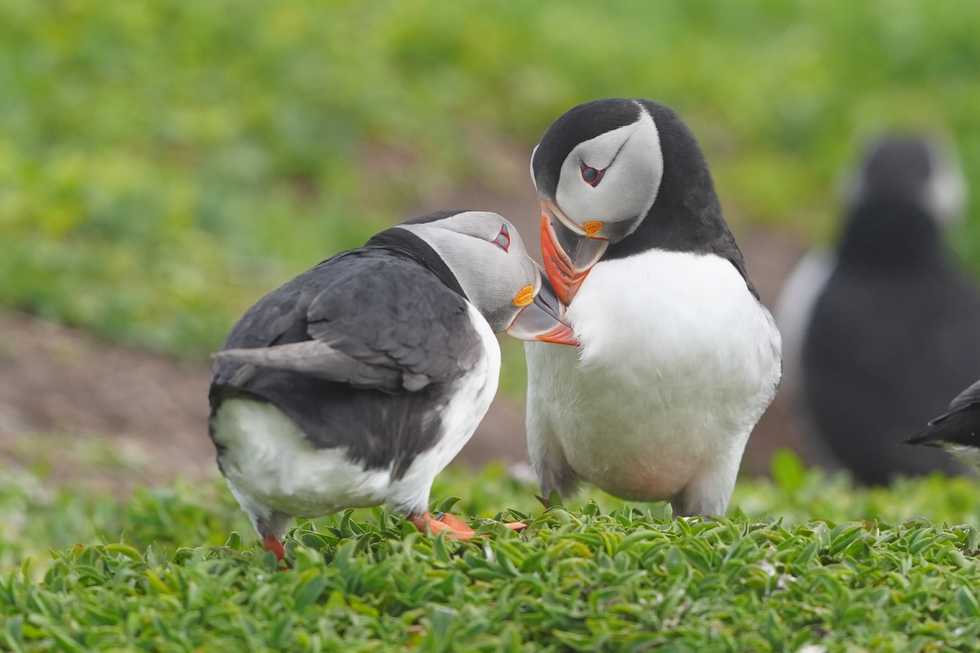
Two puffins on the Farne Islands, where the breeding season has begun (Owen Humphreys/PA)
PA Wire/PA Images - Owen Humphreys
Nature lovers will be able to watch seabirds returning to breed on the Farne Islands as “puffin-cams” go live for a second year on the nature reserve.
The National Trust said its live, remote cameras will give viewers a front row seat to the lives and breeding season of some of the 200,000 seabirds that make their home on the islands off the coast of Northumberland.
Along with the live stream of the puffins, a second camera is trained on the guillemots which roost and nest on the cliffs of the islands.
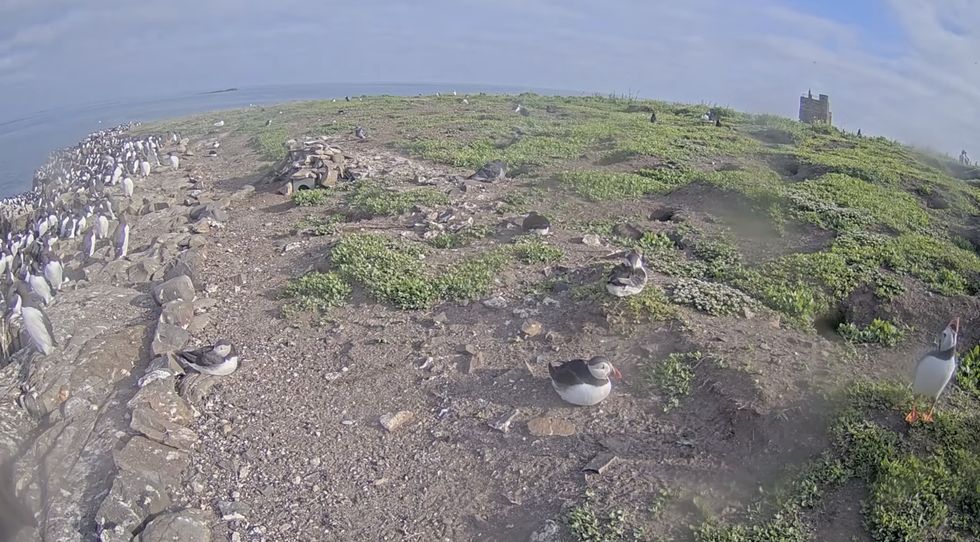 Puffins seen on the live camera feed on the Farne Islands which has just been switched on for the breeding season (National Trust/PA)
Laura Knowles, visitor operations manager for the National Trust, said: “The breeding season is always a special time of year as our ranger teams gear up to monitor the birds daily over the spring and summer months.
“We’re thrilled to bring puffin cam back for a second season.
“Last year the live cams attracted over a quarter of a million views, and we were overwhelmed by the incredible messages from people across the world who tuned in to watch the puffins go about their daily lives.
“It was wonderful to see how deeply the live stream connected viewers to the Farnes, especially those who may never have the chance to visit in person.”
Rangers will be conducting bird counts next month to see how the various species have fared in the wake of bird flu, which hit the colonies hard in 2022 and 2023, and a series of storms earlier this year.
They will also be looking out for puffins ringed last year to help assess survival rates and track how birds are faring.
Sophia Jackson, area ranger for the National Trust on the Farne Islands, said: “We’ve been closely monitoring the impact of bird flu as part of international research into the disease.
“In 2022 we recorded over 6,000 dead birds, and more than 3,500 in 2023.
“Comparing that to fewer than 10 in 2025 suggests things may be improving, but we can never let our guard down.”
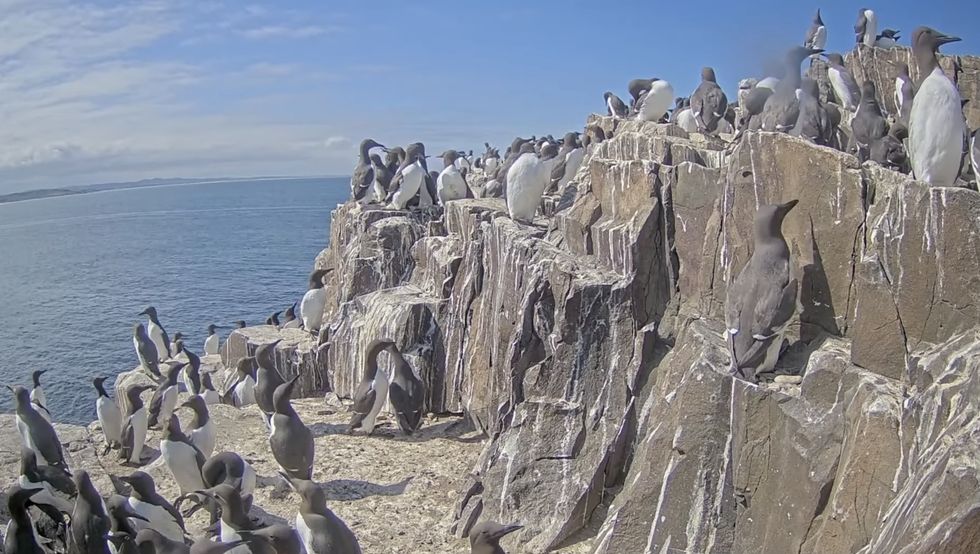 Viewers will also be able to view the activities of guillemots on the islands (National Trust/PA)
And Ben McCarthy, head of nature conservation at the National Trust, said storms Goretti, Ingrid and Chandra caused “floods and devastation for both humans and wildlife” and battered the Atlantic coast of the UK and Europe at the beginning of the year.
“Long-term monitoring collected through the Seabird Monitoring Programme clearly demonstrates the impact of such stormy weather on seabird’s ability to feed, with resulting loss in condition and, in worst case scenarios, so called ‘wrecks’ where birds are washed ashore dead or dying.
“We don’t yet know what this means for the puffin and other seabirds which are returning to breed on the Farnes this year, but this makes these counts even more important when put in context with the more extreme weather our wildlife is also battling against due to climate change,” he said.
The National Trust has also reopened the Farne Islands for the season, with visitor boats now landing on the islands, the charity said.
Viewers can watch the live stream at: nationaltrust.org.uk/farne-islands-webcam
Top 100