The Conversation (0)
Viral
This week, millions of people around the world are welcoming the Lunar New Year, ringing in the Year of the Fire Horse.
Communities across Asia – including China, Vietnam, South Korea, North Korea, and other regions – are coming together to celebrate with age-old traditions, vibrant parades, and festive gatherings.
Lunar New Year is a centuries-old celebration that marks the arrival of spring and the beginning of a new year according to the lunisolar calendar. Considered one of the most significant holidays in parts of Asia, it’s a time for family reunions and welcoming good fortune.
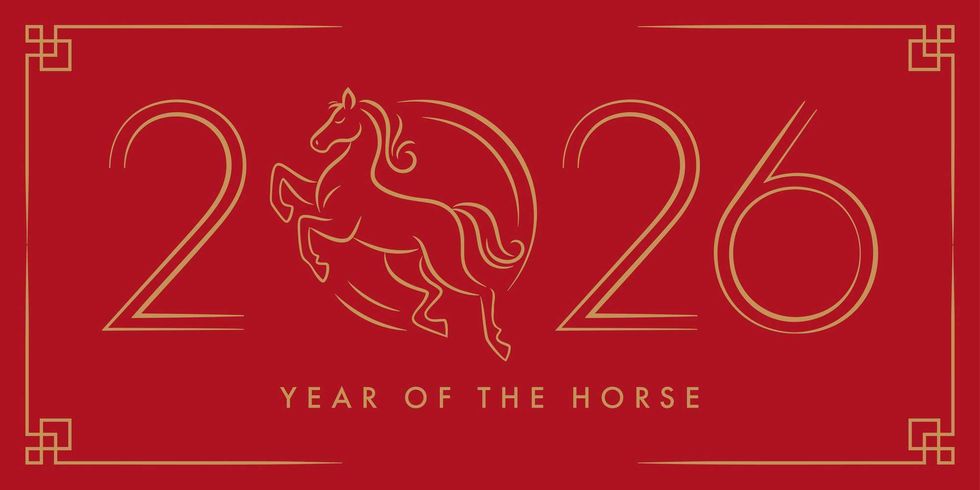
In 2026, the Year of the Horse takes centre stage. The horse symbolises freedom, vitality, independence, enthusiasm, and ambition. Traditionally, it’s seen as a year for personal growth, self-improvement, and embracing new opportunities.
In 2026, Lunar New Year began on 17 February. The Year of the Fire Horse will continue until 20 February 2027.
Celebrations typically last 15 days, concluding with the Lantern Festival on 3 March 2026, when communities light lanterns to symbolise hope, happiness, and new beginnings.
 iStock
Although 'Chinese New Year' is a familiar term, Lunar New Year is a broader festival celebrated in many countries.
Chinese New Year refers specifically to the traditions rooted in China’s culture and history. So, all Chinese New Year celebrations are Lunar New Year, but not all Lunar New Year celebrations are Chinese New Year.
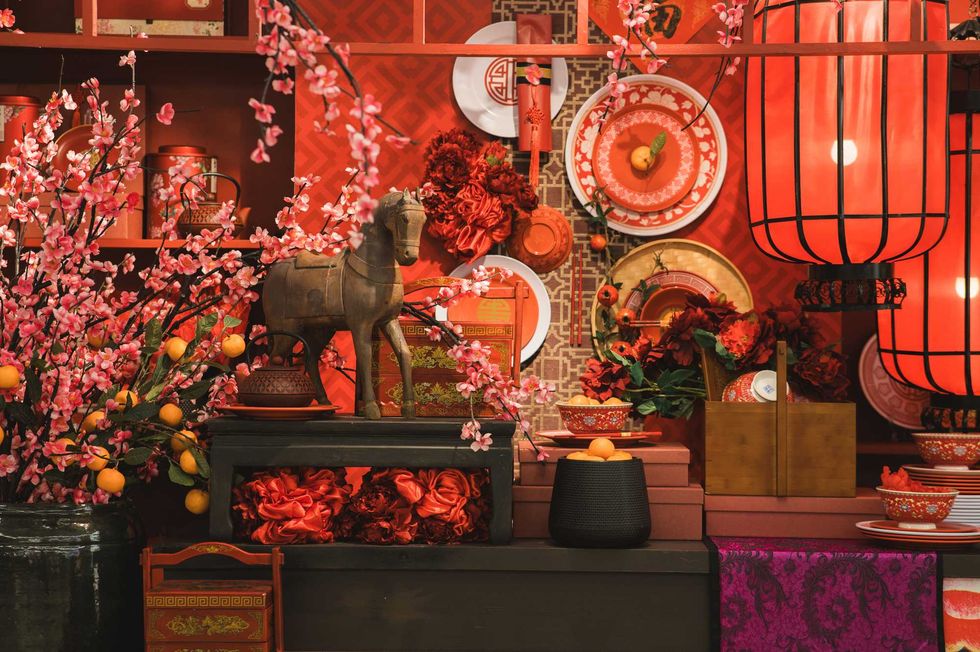
Chinese New Year, or the Spring Festival (Chūn Jié, 春节), marks the start of spring and ends with the Lantern Festival (Yuán Xiāo Jié, 元宵节), celebrated with lanterns, performances, and family time.
 iStock
To welcome good fortune in the new year, there are a few things traditionally avoided during Lunar New Year. For example, sweeping or taking out rubbish on the first day is thought to 'sweep away' wealth and luck.
Using sharp objects, like knives or scissors, is also avoided, as they are believed to 'cut off' good fortune. Some people also avoid washing hair or clothes on the first day.
It’s also important to steer clear of negative words or arguments, keeping the day bright and cheerful. Even the colours you wear matter. Black and white are linked to mourning, while red and other vibrant colours are considered lucky.
Customs vary across different countries and families.
You should also read...
How to join the indy100's free WhatsApp channel
Sign up for our free Indy100 weekly newsletter
Have your say in our news democracy. Click the upvote icon at the top of the page to help raise this article through the indy100 rankings.