The Conversation (0)
iStock
They say we're impacted by our environments, but what if how we looked controlled how we really felt too?
We don't mean getting that post-breakup bob, but rather, researchers are debating if our facial expressions paint a bigger picture than just how we feel externally - but directly influence our emotions.
It all comes down to what's known as the facial feedback hypothesis. For example, if you frown for long enough, you could end up genuinely feeling down, even if you have no reason to.
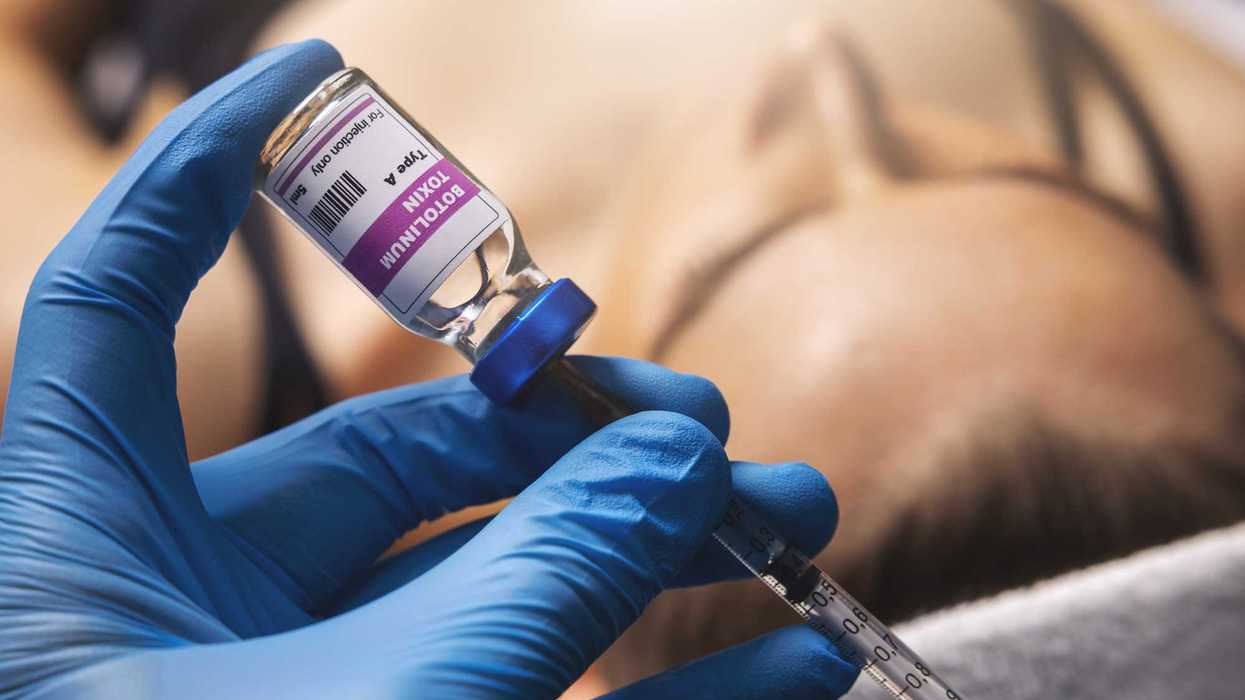
With this in mind, some scientists are convinced that by using aesthetic medicines such as Botox, actively changing your facial expressions could help you feel...well, happier (and not just because you're wrinkle-free).
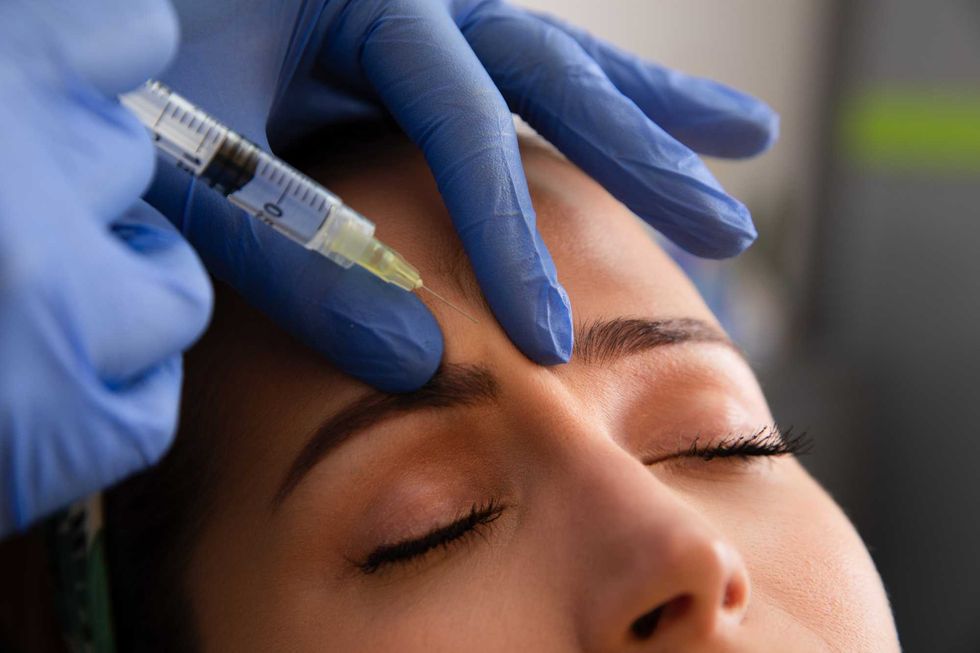
For context, the glabellar region of the face (also known as the area above your nose, between your eyebrows), contains the corrugator and procerus muscle, which is most-commonly associated with being able to portray negative emotions - whether that's frowning, anger or sadness.
 iStock
In fact, this area has become so intertwined with negative connotations that Charles Darwin even branded them 'grief muscles'.
It's also one of the most popular areas to get Botox injected, with lines in these areas becoming more prevalent as we age.
Now, researchers are exploring whether it could be the next big treatment for conditions such as depression.
In one study, 10 middle-aged women with moderate to severe depression received Botox, and within eight weeks their depression scores improved substantially.
In another, that was double-blind, and placebo-controlled, 30 middle-aged patients with mild-to-moderate, yet treatment-resistant depression were administered a mixture of Botox and placebo drugs.
Those who had been given the Botox showed significant improvement in their symptoms, while those who had received the placebo remained unchanged.
The conclusion? That by reducing our ability to physically look unhappy, it might just serve us positively.
You lose your ability to frown? You may be less likely to feel persistent sad emotions.
It's not Botox's only medicinal use, proving a popular choice for people with jaw-grinding issues or migraines who need muscle relief, too.
 iStock
However, on the flip side, it's worth noting that other experts are concerned that Botox is making us less empathetic, because it reduces our ability to express emotion all together.
So, long story short, we can't win.
"If you look good, you feel good", one person pointed out underneath a now-viral video on the topic, while another wrote: "I have an adult daughter that is on the autism spectrum. I have found that when I inject her glabellar she does have a better mood and fewer meltdowns."
"I, someone with botox can confirm I am much happier with a smooth forehead than without one", someone joked.
If only our doctors would prescribe this one.
The contents of this article are not intended as medical advice
Why not read...
Hailey Bieber just got super honest about every treatment she's had from PRP to lasers
Researchers are worried Botox is changing key human behaviour - and there's science behind it
Sign up to our free indy100 weekly newsletter
Top 100