The Conversation (0)
Tech Stocks Tank + Trump Cuts Tariffs & Burry Quits | The …
The Rundown / VideoElephant
The growing suspicion among voters that politicians are using their positions for personal financial gain is becoming a central theme in U.S. elections, with congressional stock trading emerging as a significant flashpoint.
Colin Allred, a candidate for a Dallas-area House seat, articulated this widespread distrust, stating, "'What about the stock trading in Congress? What about people getting rich in Congress?'" He acknowledges the validity of these concerns, adding, "And I have to say to them, you’re absolutely right about that, too. We need to be better."
Mr Allred is currently challenging Representative Julie Johnson in a Democratic runoff, and his campaign has seized upon populist anger regarding lawmakers' financial dealings. He has specifically criticised Ms Johnson over trades involving companies such as Palantir, a data analytics firm with links to Donald Trump's administration. Ms Johnson, however, maintains her trades were managed by a financial professional and accused Mr Allred of self-interest, pointing to his own financial disclosures which show his wealth nearly doubling during his time in Congress.
Mr Allred countered that his assets were held in a blind trust, with the increase stemming from his wife's income as a law firm partner. Ms Johnson downplayed the Palantir trade, stating, "To be clear, the sum total I made on that trade was only $90. My opponent is trying to make it seem like it was hundreds or thousands."
This bitter contest reflects a broader internal debate within the Democratic Party concerning the influence of money in politics. Accusations of self-dealing and undue influence from special interests, once primarily the domain of progressive reformers, are now a common feature of Democratic primaries.
This intensified scrutiny of politicians' personal wealth aligns with the party's efforts to strengthen its anti-corruption message against Donald Trump and to develop a platform for reforming Washington, should Democrats gain power in the midterms.
 AP Photo/Richard Drew
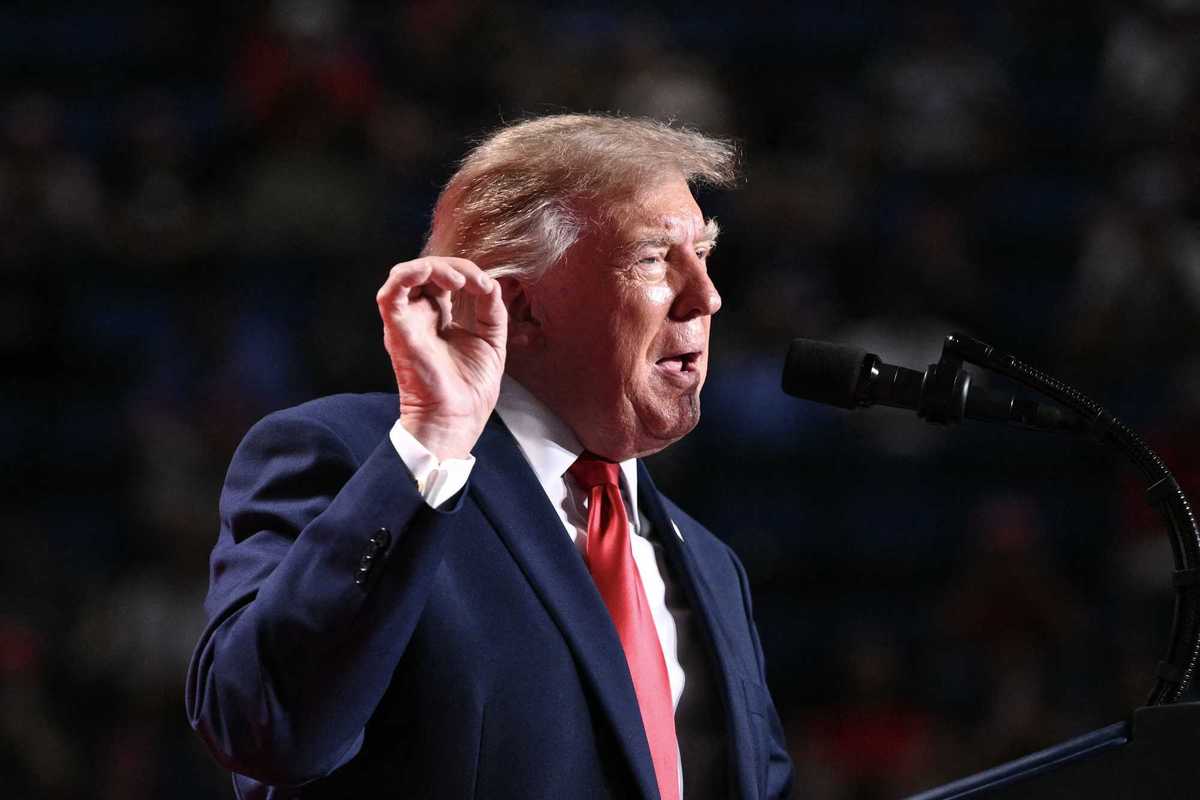
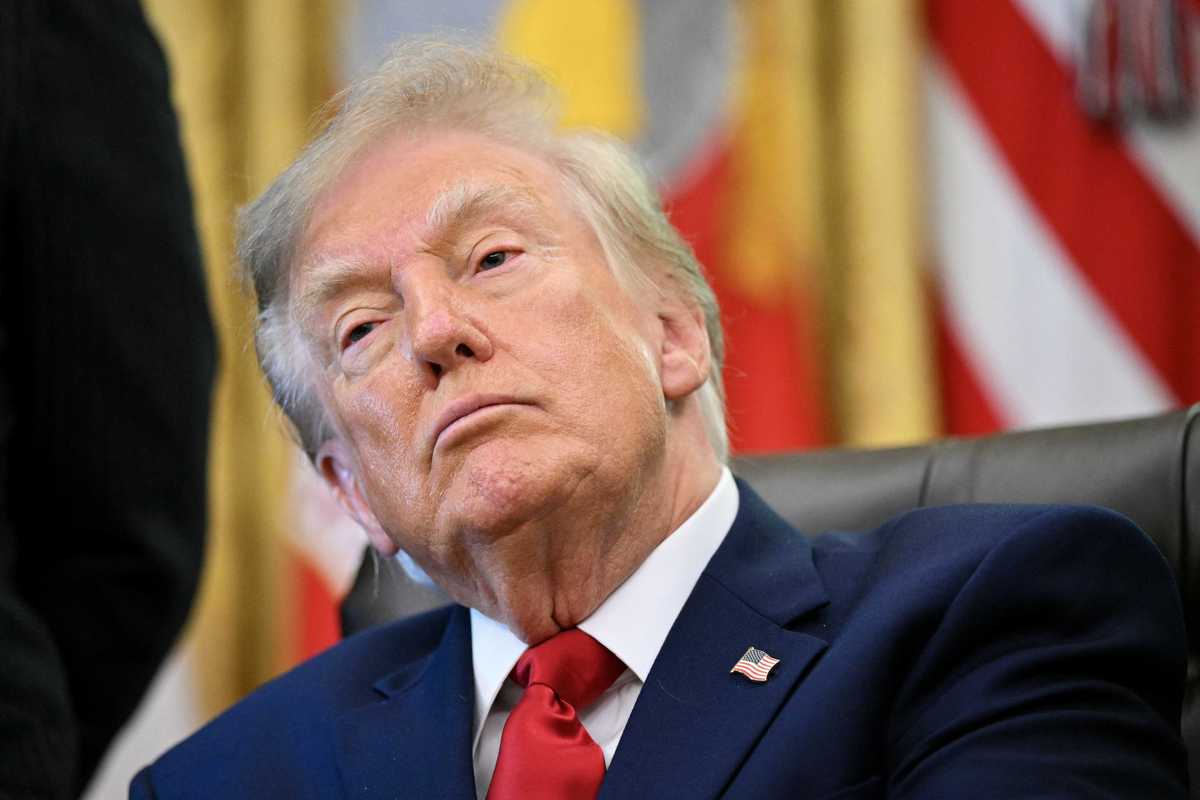
Donald Trump himself campaigned on a promise to "drain the swamp," capitalising on public disdain for the Washington establishment. Now that his family is profiting whilst he is back in the White House, Democrats are keen to reclaim the initiative on an issue that resonates strongly with voters.
Daniel Lobo-Lewis, a political consultant, observed, "The difficulty is that right now, no party has the mantle on anti-corruption. Many voters outside of the beltway see both parties as corrupt, because they see all politicians as bought by the donors or by their own self-interest."
Mr Lobo-Lewis co-founded the Political Integrity Project last year, an organisation dedicated to tracking congressional stock trading and corporate donations. The project encourages candidates to sign an "integrity pledge," committing to refrain from stock trading or accepting corporate donations whilst in Congress, and vowing not to become a lobbyist after leaving office.
To date, approximately 90 challengers and seven sitting lawmakers have taken this pledge. Mr Lobo-Lewis argues, "If we want to, in any way, start rebuilding trust in our political institutions, it starts with no-brainer changes like this that have an approval rating above and beyond any other issue you could imagine."
Despite widespread public support, Congress has yet to implement a ban on stock trading for its members, even though insider trading is already illegal for all citizens. Several proposals have been introduced on Capitol Hill, but none have gained significant traction.
A bipartisan bill aimed at banning congressional stock trading stalled earlier this year, despite receiving Mr Trump’s endorsement during his State of the Union address. Divisions persist among Democrats themselves regarding potential loopholes in their own competing proposals.
The anti-corruption message is permeating Democratic primaries across the country. In a competitive Utah congressional race, State Senator Nate Blouin criticised rival Ben McAdams for his equity in a data centre firm, whilst also scrutinising other candidates' past investments. Mr McAdams defended his equity as payment for a past contract completed as a private citizen, and his campaign accused Mr Blouin of "hiding his corporate donations" by removing them from disclosure reports, a claim Mr Blouin denies, stating he returned the funds.
Similarly, in a New York City congressional district encompassing both Wall Street and the Democratic Socialists of America’s headquarters, former city comptroller Brad Lander has accused Representative Dan Goldman of attempting to "buy another term" by self-funding his campaign. Mr Goldman, an heir to the Levi Strauss fortune, states he placed all his assets into a blind trust upon taking office in 2023.
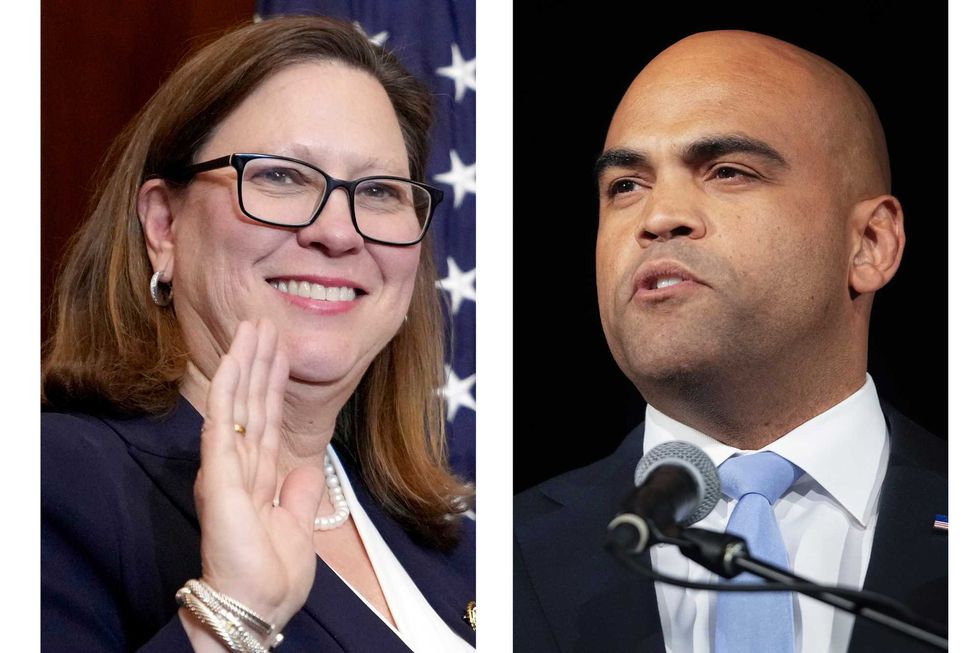 Rep. Julie Johnson and Rep. Colin AllredAP Photo/Jacquelyn Martin, Tony Gutierrez
A spokesperson for Mr Goldman dismissed Mr Lander's claims as "deceitful" and "absurd lies," asserting Mr Goldman has raised more funds without corporate PAC money, spending his own wealth "to ensure that the NY-10 voters can be sure that he is beholden only to them and his principles." Mr Lander retorted that whilst Mr Goldman's spending is "not illegal," it is "anti-democratic when a quarter-billionaire like Dan Goldman not only dumps millions of his own inherited wealth into his elections but also solicits money from the same forces who are rigging the economy and worsening the affordability crisis."
Even representatives who advocate for a stock trading ban are facing scrutiny. Democratic Representative Brad Sherman of California is being challenged by primary opponents who criticise his stock holdings. Mr Sherman, who supports a ban, explained, "I only own three individual stocks, which I inherited from my mother when she passed away, which were originally acquired by my grandmother. I have never sold them because I made a promise to my constituents that I would not buy and sell individual stocks."
One challenger, Jake Levine, a former climate adviser to President Joe Biden, has signed the Political Integrity Project pledge. Mr Sherman, however, accused Mr Levine of refusing "to disclose key elements of his $18 million stock portfolio, and actively bought and sold stocks whilst serving on the National Security Council." Mr Levine responded by stating Mr Sherman "knows he’s losing because voters are sick of politics as usual and ready for a new generation of leadership," and that he has resorted to "desperate, unfounded attacks."
In the contest to succeed former House Speaker Nancy Pelosi, California State Senator Scott Wiener has criticised his progressive opponent, Saikat Chakrabarti, over his personal wealth. Mr Chakrabarti, a former software engineer and early employee at Stripe, later served as chief of staff to Representative Alexandria Ocasio-Cortez. Mr Wiener alleged Mr Chakrabarti "has enormous investments" and "is trying to buy this seat" whilst "spreading bogus conspiracy theories" with his wealth, criticising his failure to disclose a decade of stock trades.
Mr Wiener challenged, "If you’re making a ban on stock trades a central part of your campaign — as Saikat is doing, running around saying that everyone under the sun is corrupt — how about you tell the voters about your own stock trading history?" Mr Chakrabarti countered that his wealth as a private citizen is irrelevant to his future office, pledging to place assets into a blind trust if elected.
He also criticised Mr Wiener for accepting support from super PACs funded by AI firms and other corporations, concluding, "This is all part of a larger problem, which is just the whole idea of corruption in our politics. If you’re in Congress, you sit on committees that oversee a lot of these industries, and it’s unethical to be using that insider information, that knowledge to make stock trades. But that doesn’t apply to a private citizen."
Top 100