The Conversation (0)
Will living to 120 become a choice? World-leading biohacker Gary Brecka thinks …
The Independent
Searches for ‘burnout symptoms’ have risen 130 per cent. Searches for ‘stress symptoms’ have risen by 140 per cent. Searches for ‘exhaustion symptoms’ have risen by 150 per cent.
They’re alarming statistics, and paint a real picture of where we’re at as a society right now: Overworked, overstimulated and self-care way down the list of our basic needs.
But, what most of us don’t consider, is that these short bursts of stress and self-neglect over long periods of time doesn't just have mental impact, but physical too.
In fact, burnout can increase our risk of some serious health problems - and, if we knew about them, we probably wouldn’t be fretting over that presentation we have to pull together by tomorrow.
 iStock
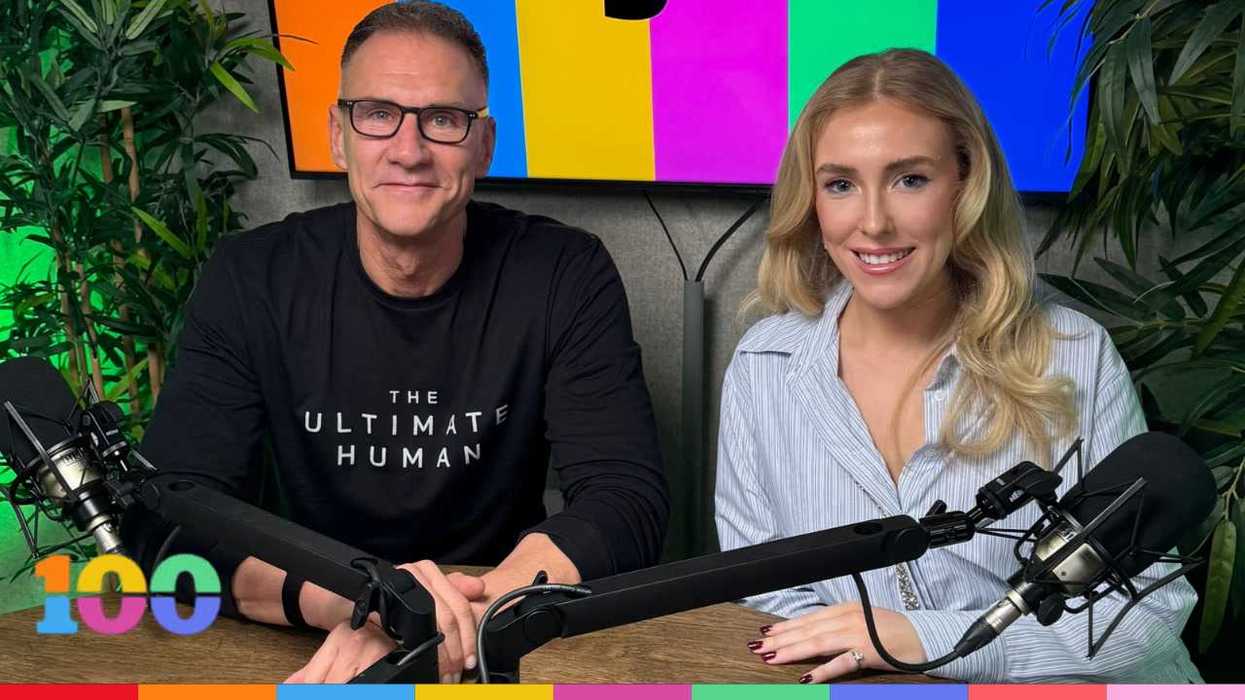
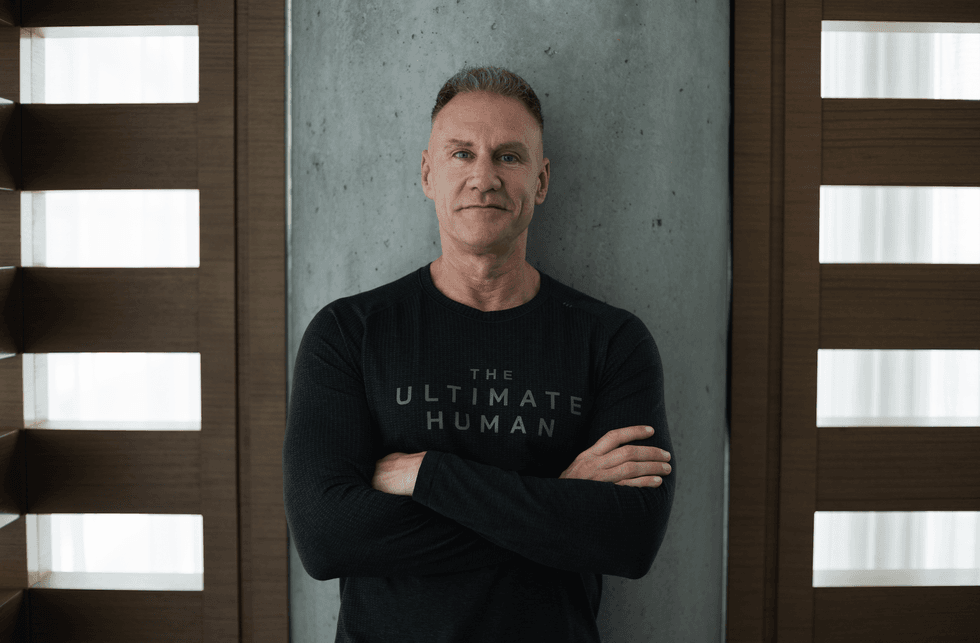
It’s a topic that came up during a recent interview I did with globally-renowned biohacker, Gary Brecka.
Having once been a gritty entrepreneur with no regard for sleep or personal wellbeing, his mindset shifted when he realised just how powerful our own attitude and actions towards ourselves can be.
“It’s catastrophic”, he notes of burnout’s impact, adding that chronic low-grade stress is arguably the leading factor in contributing to chronic disease - whether that’s heart disease, hypertension, stroke, diabetes, or even mental health conditions, to name but a few.
What’s more, he highlights that up to 80 per cent of autoimmune diseases are found in women.
“Women have a tendency to develop something called caregiver syndrome”, he continues.
“This is where they put the needs of others before the needs themselves over long periods of time. Maybe it's their children, maybe it's their spouse, their career, their coworkers, their girlfriends - they put themselves in the backseat.
“They don't make self care non-negotiable. Some women think self-care is selfish, and so they wake up in the morning, and the first thing they do is they go right into a stressful environment, immediately start caring for everybody else around them, and then they collapse into bed at night.
 The Ultimate Human
“It causes chronic low-grade inflammation, which is very damaging to our cellular biology.”
At a time where women are told they have to be everything - independent and career driven, but also a homemaker and carer for others - it’s a tough pill for many to swallow. More so, it can make navigating a world built on stress even tougher.
While we may have limited control over our bigger-picture circumstances, however, Brecka says there are some key actions we can implement into our day-to-day to make the load a little lighter.
“The fix is to make self-care non-negotiable and to give the first part of your day only to yourself”, he says. “You can be selfless with all but the first 30 to 90 minutes of that day.
“Our bodies crave routine. We are circadian creatures. We used to sleep and wake with the cycle of the sun. We no longer do that.
“We regulate everything - Our temperature, our lighting, you know, a lot. We used to spend 90 per cent of our time outdoors. Now we spend 95 per cent of our time indoors.”
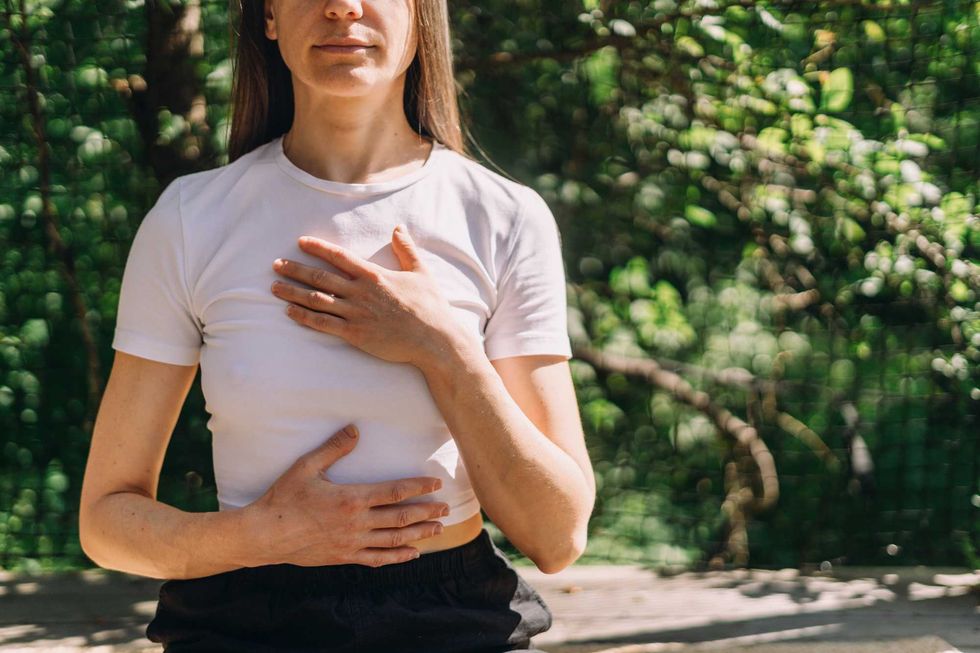
He credits free mindfulness and breathwork activities found online as some of the most transformative content to consume daily, admitting: “I have not missed a morning session of breath work in probably 48 straight months - I’ll miss a commercial flight not to do breath work.”
It’s thought breathwork actively modulates your nervous system, allowing you to quickly lower stress, improve mood, and enhance emotional regulation.
 iStock
However, he says one hack we could all use a little bit more of, is one that’s probably more essential than most: Treating ourselves with kindness.
“Speak to yourself internally the same way that you would speak to a friend”, Brecka insists, noting that we’re a product of our habits.
By making smaller wellbeing promises to yourself and consistently showing up, you’ll feel the benefits over time, rather than over-committing then beating ourselves up when we can't stick to a plan.
“If your friend didn't drink and then had one glass of champagne, would you just lay into them for having one glass of champagne? Well, why would you lay into yourself?”, he says.
“Very often it's the voices that we use internally that are the most damaging to us because we consistently break small promises over time, and we actually have a pattern of actually not trusting ourselves.”
He adds: “Start with little promises and then keep those promises to yourself, and it just reinforces that you are safe in your own body.”
Watch the full hour-long conversation on YouTube:
- YouTube www.youtube.com
This interview has been edited for clarity
Why not read...
Biohacker Gary Brecka shares one wellness 'hack' we were all wrong about
Interview: World-leading biohacker Gary Brecka on why living to 120 will soon be a 'choice'
Sign up for our free Indy100 weekly newsletter
Top 100