The Conversation (0)
What Is Fibermaxxing & Why Is Everyone Talking About It?
unbranded - Lifestyle / VideoElephant
Our entire wellness routines are dictated by trends.
Whether you're stripping back your diet to only whole foods, taking part in 75 Medium (75 Hard if you're brave), or committing to getting under the LED light every day, these are all lifestyle changes that we never could've foreseen 10 years ago.
Now, we've got a sneak peek into what some of the biggest food-led health trends of 2026 will be - and one of them could completely transform the way we eat.
The report, created by Green Chef, in collaboration with food futurologist Dr Morgaine Gaye, drops a number of bombshells.
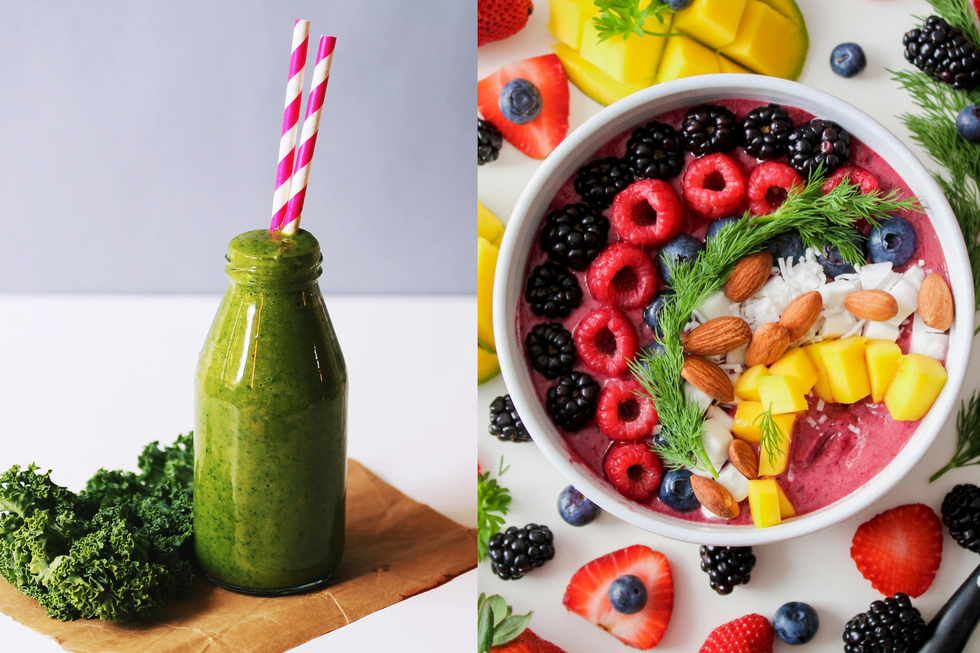
Firstly, sweetcorn will take centre stage in dessert innovation (sorry, Dubai chocolate, it's over). Its subtle sweetness, nutty umami notes and sunny colour are set to inspire sweetcorn ice creams, custards, drinks and pies, balancing nostalgia with novelty - and give us a much-needed fibre boost along the way.
 Pexels
Next up, beef tallow is set to make a return to our kitchens, not least thanks to the carnivore diet that's increasingly trending on social media. While its health credentials are debatable, it is rich in fat-soluble vitamins like A, D, E, and K, and frankly, just makes dishes taste that little bit richer.
Meanwhile, Gaye also predicts we're going to be eating our medicine in two ways; with immunity-added foods becoming the new 'added protein' to help supercharge our wellness, and holistic plants like dandelion greens, nettles, and holy basil becoming the stars of our soups.
But, there's one key shift taking place right before our very eyes: We no longer want food based on taste - but rather, emotion.
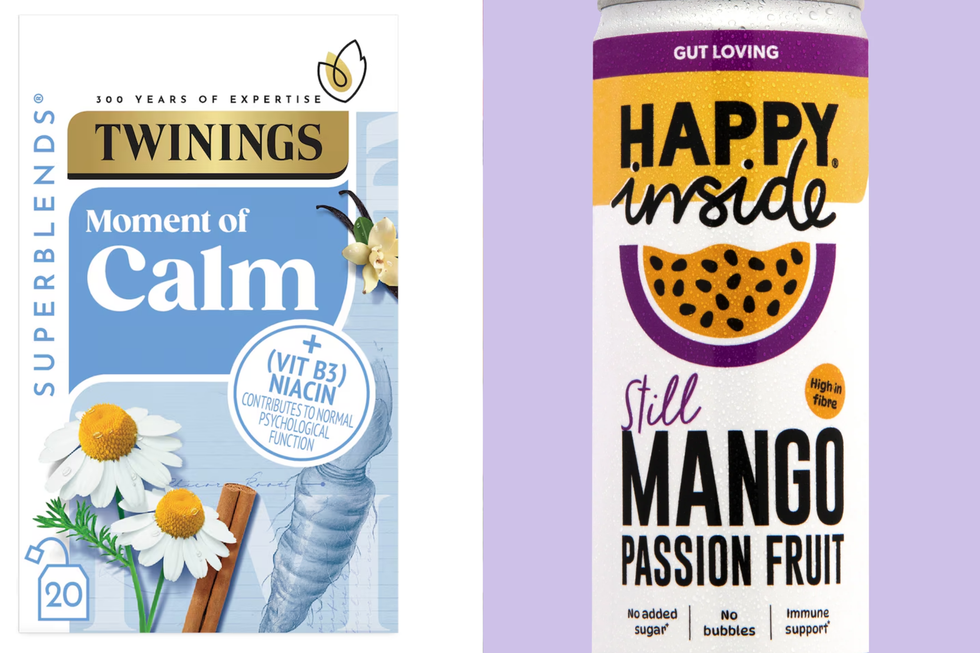
If you stroll through supermarkets now, there are an increasing number of products that are described not by what they do, but how they make us feel.
Think "calming" teas, "mood-boosting" salads, or "hugs" in a jar.
"Consumers are no longer looking for just cuisines and calorie counts; they are also looking for mood-enhancing and feel good benefits from their food", says Lily Keeling, Green Chef UK’s Senior Recipe Development Manager and Registered Nutritionist.
 Twinings/Happy Inside
"People don't just want a recipe, they want the feeling of 'nurturing' through food or the 'relief' of a stress-free evening."
But it's more than just a marketing gimmick - in fact, it signals our shift to looking at the mind-body connection and how what we eat impacts our mental health as well as our physical health.
"The gut-brain axis is a communication highway between your central nervous system and your enteric nervous system (gut nervous system), physically connected by the vagus nerve. It is thought that about 95 per cent of your serotonin, the 'happy hormone', is produced in the gut, not the brain", Keeling adds.
"This means your digestive health is often the 'hidden driver' behind your mood, anxiety levels, and even your cognitive clarity."
It's thought we should be focusing on the "30-a-week" rule: aiming for 30 different plants a week to maximise microbial diversity. Focus on fibre and incorporating fermented foods like kimchi or live yoghurt, which feed your gut bacteria.
So, is this just a trend? Or are we about to witness a genuine revolution in mind-body nourishment?
"We are finally moving away from a reductionist view, where we only looked at vitamin counts or nutrients in isolation, and acknowledge how everything works together", Keeling concludes.
"As science continues to study the microbiome, the link between our diet and our mental well-being will only become more central to how we produce and choose our food."
Why not read...
Biohacker Bryan Johnson drops ultimate longevity ritual for 2026 - and we can get on board with it
Everyone’s ditching 75 Hard for 75 Medium this January - here are the lifestyle changes to take part
Sign up to our free indy100 weekly newsletter
Top 100