The Conversation (0)
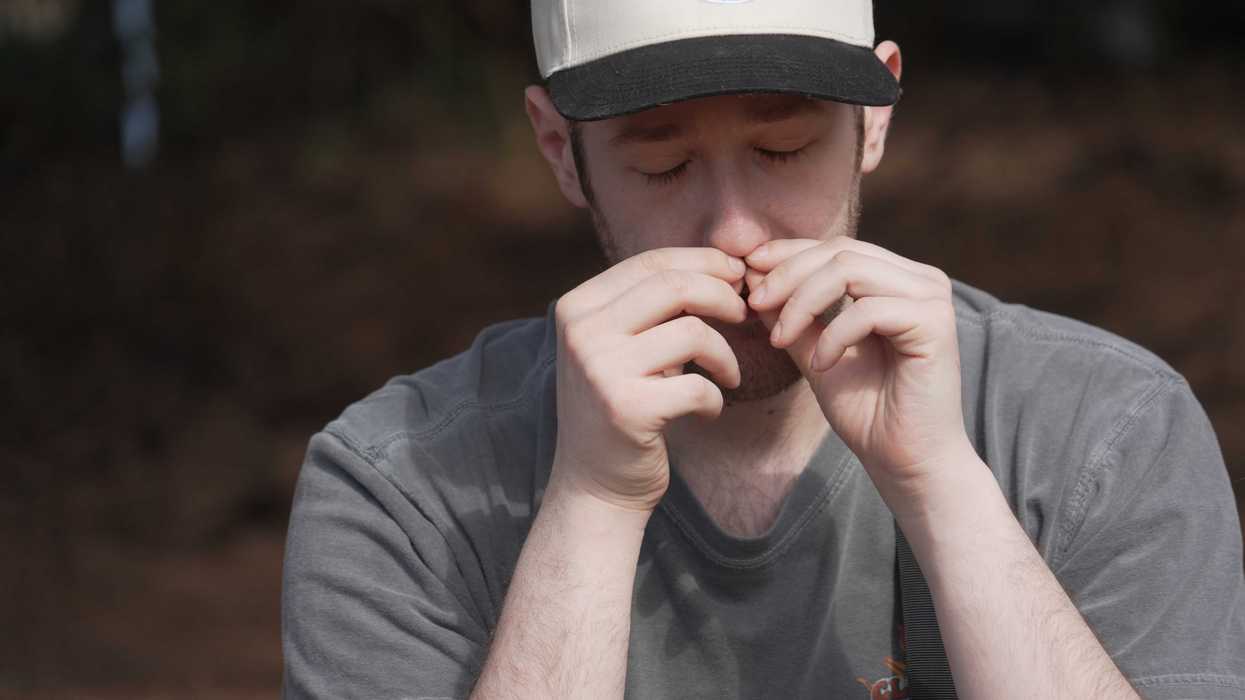
Alan Mintz smells a crushed conifer twig during a "forest bathing" session
AP Photo/Allen G. Breed
Amidst the relentless churn of global news and everyday anxieties, many are seeking solace in unexpected places. For Claire Jefferies, a human resources director, a recent Sunday morning offered a much-needed escape from headlines about international conflicts and rising living costs, found within the tranquil embrace of nature.
"When I’m here, it’s almost like a protective bubble around me," Jefferies explained, surrounded by oaks and magnolias at the JC Raulston Arboretum in Raleigh, North Carolina. "It provides a shield."
She was participating in a "forest bathing" session, a practice rooted in the Japanese wellness tradition of Shinrin-yoku. Led by certified forest therapy guide Shawn Ramsey, the group of around a dozen participants gathered for meditation and breathing exercises. Jingling a tiny brass bell, Ramsey encouraged them to immerse themselves fully in their surroundings.
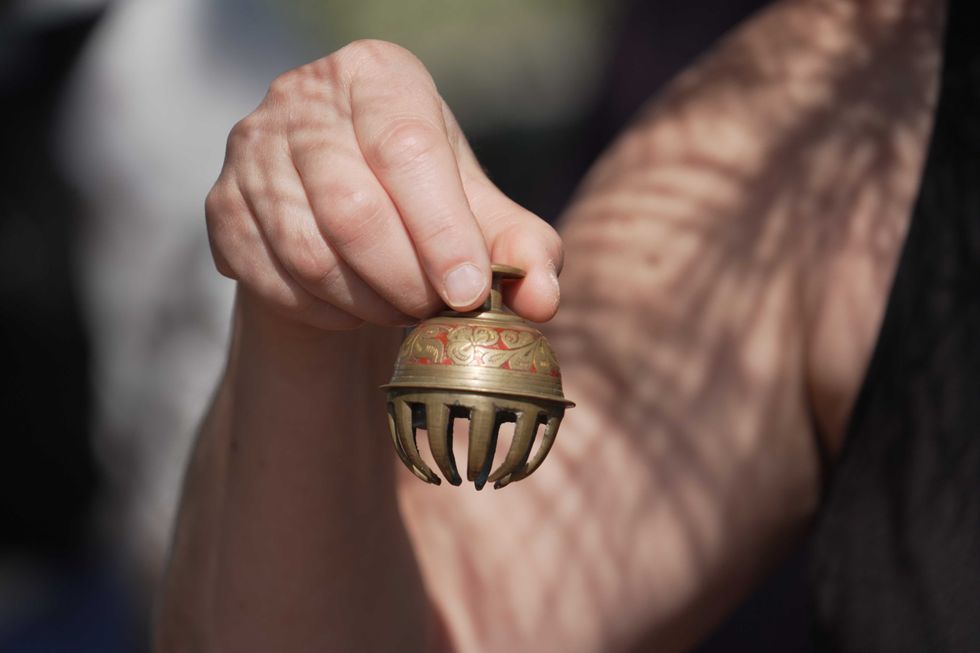 Forest therapy guide Shawn Ramsey rings a tiny brass bell during a "forest bathing" session at the JC Raulston Arboretum in Raleigh, N.CAP Photo/Allen G. Breed
"I invite you to really spend the next 10 minutes just exploring this area," she instructed, her eyes closed. "Really focusing on your breath, on your footsteps. All the natural sounds around you. Maybe the man-made sounds, too. Thinking about the forest’s natural rhythm and how are part of that here in this urban, forested environment."
The practice is credited with reducing stress, improving mood, lowering blood pressure, and boosting the immune system. Even within a bustling city, Ramsey noted, the benefits of disconnecting from daily life and reconnecting with nature remain profound. She guided the group through various gardens, encouraging them to crush conifer twigs to release their scent or simply touch the trees.
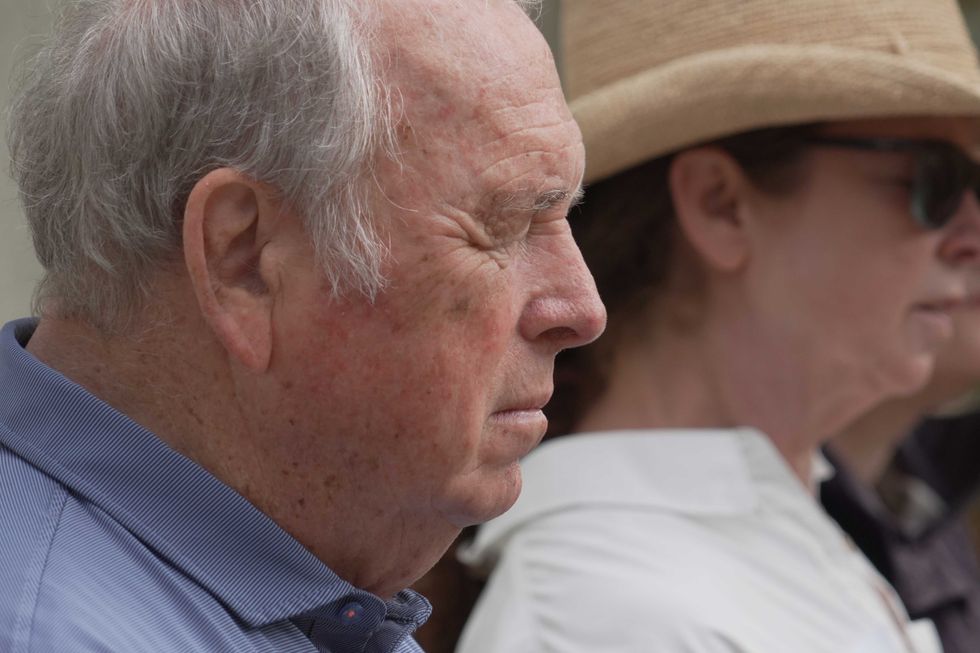 A man meditates with his eyes closed during a "forest bathing" sessionAP Photo/Allen G. Breed
"You know, in this day and age, there’s a lot of stress and anxiety and chaos," Ramsey observed. "And people are searching for ways to kind of cope with that."
Transportation safety researcher Alan Mintz, who attended with a friend, had to be reminded to leave discussions of current affairs at the entrance. "I think it’s important for people to take the opportunity to exist in natural spaces, both to unwind and relax, so that it can be easier to interact with other people," he said, standing in the dappled light beneath the trees. "And to take a moment to appreciate beautiful things. That way, hopefully, they can carry that forward and have more of an appreciation for other people and other cultures that they might be less experienced with."
Jefferies, a mother of a nine-year-old son, echoed this sentiment, having also gently steered a friend away from news talk during their walk. "That focus back into spending time in nature and the healing power of that, and just remembering that we’re part of something bigger, that we’re all connected," she reflected. "And that what we do in our actions that we take really matter to the rest of the world. And so there’s no better place to see that than here, where you can see all of the interconnectedness and the ways that this plant life naturally supports one another. Doesn’t take more than they need."
Top 100