The Conversation (0)
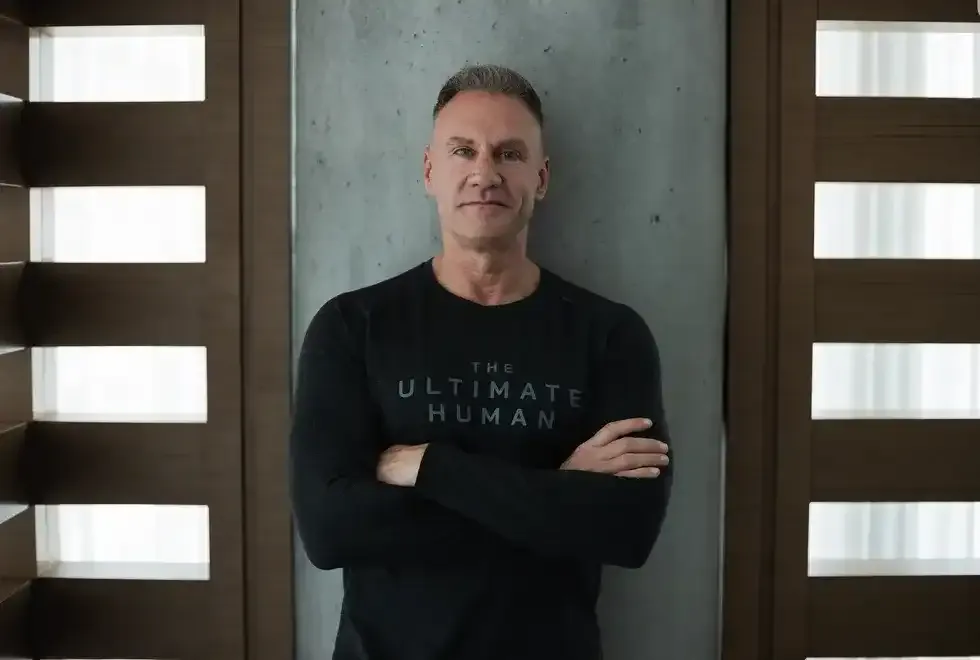
5 wellness lessons I learnt from world-leading biohacker Gary Brecka
Gary Brecka
Wellness has become a $6.8 trillion industry, and somehow, simultaneously the most complicated out there.
A solid nutritional plan and regular exercise have been replaced by blood vials, ever-evolving technology, and optimisation with no real end in sight.
And, while it's helping us make major advances, it's now near-impossible to know where to turn when it comes to advice.
Having been somewhat of an over-indulger in wellness gadgets and emerging research myself, I've taken more time this year to be intentional with how I view health; which quite often involves stripping things back and committing to smaller, effective habits in the long-term. It helped me to not only feel the real results of what I was doing, but stopped me suffocating under the pressure of needing to do everything.
It was admittedly a move inspired by a podcast episode I recorded with world-leading biohacker, Gary Brecka earlier in the year.
Where other biohackers pump millions of dollars into finding inaccessible solutions to everyday problems, Brecka's ethos is rooted in that very simplicity that we could all use more of.
He’s best-known for being the brains Dana White credits for “saving” his life, and has gone on to build a loyal wellness community, with Kim Kardashian and Cristiano Ronaldo among it.
Having started out as a mortality researcher (spending years predicting people's deaths to the date on behalf of insurance companies), he quickly discovered that much of what it means to be 'well' is about doing what we already do...but better - whether that's getting more sunlight, ditching ultra-processed food, or simply being a bit kinder to ourselves.
Here are some of the biggest wellness lessons he taught me during our time together.
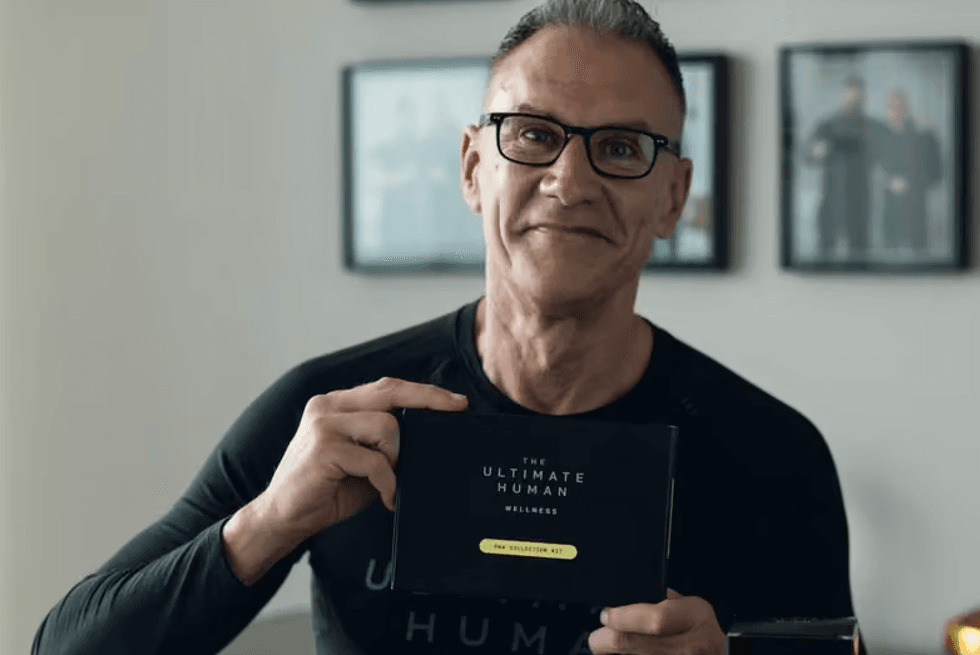 Gary Brecka
1. Burnout is far more 'catastrophic' for our bodies than we could've imagined
Searches for ‘burnout symptoms’ have risen 130 per cent. Searches for ‘stress symptoms’ have risen by 140 per cent. Searches for ‘exhaustion symptoms’ have risen by 150 per cent.
But, what most of us don’t consider, is that these short bursts of stress and self-neglect over long periods of time doesn't just have mental impact, but physical too.
“It’s catastrophic”, Brecka notes of burnout’s impact, adding that chronic low-grade stress is arguably the leading factor in contributing to chronic disease.
“The fix is to make self-care non-negotiable and to give the first part of your day only to yourself”, he says. “You can be selfless with all but the first 30 to 90 minutes of that day.
“Our bodies crave routine. We are circadian creatures. We used to sleep and wake with the cycle of the sun. We no longer do that.
“We regulate everything - our temperature, our lighting, you know, a lot. We used to spend 90 per cent of our time outdoors. Now we spend 95 per cent of our time indoors.”
By making smaller wellbeing promises to yourself and consistently showing up, you’ll feel the benefits over time, rather than over-committing then beating ourselves up when we can't stick to a plan.
“If your friend didn't drink and then had one glass of champagne, would you just lay into them for having one glass of champagne? Well, why would you lay into yourself?”, he adds.
2. The gut-brain axis could be fuelling the global mental health crisis
According to the World Health Organization, over one billion people are now living with a mental health condition.
We can put it purely down to an evolving age of isolation and the impact of technology, but some studies are suggesting there could be a link between the health of our guts, and the health of our brains.
”When you start to become nutrient deficient in the very raw materials that make the neurotransmitters driving mood and behaviour, you start to get a society that is plagued by anxiousness”, Brecka notes.
“If you walked out of your office tonight and somebody was standing in front of you with a knife, that’s a very real threat. You would begin to have a fight or flight response in response to that stimulus”, Brecka continues.
“You could also be lying in your bed tonight, and you could start thinking about getting eaten by a shark. You could probably reason to yourself that the chances of a shark getting out of that ocean and making it into your bedroom are zero, but you could have the exact same response.
“So how is it that you have the same response to a very real threat versus an entirely perceived threat?”, he questions. “Because neurophysiologically, they're the same thing. They're a rise in catecholamines.
“I'm not saying people should not seek therapy and should seek medical advice; what I am saying is whilst doing that, why not also give your body the raw material that it needs to function normally instead of, when it does not behave normally, assuming something is wrong?”
 Gary Brecka
3. Women are more susceptible to chronic disease for one reason
An aging population, lifestyle changes, and environmental factors are all worth considering when it comes to why so many people are ending up with chronic diseases.
However, 80 per cent of those who end up with autoimmune diseases are in fact women - and once we delve into the reality of it, it makes that stat even scarier - because physiological gender plays no part.
“It has nothing to do with autoimmune disease being selected by sex, it's selected by weakness”, Brecka explains.
“It doesn't mean that women are weaker than men. It means that women have a tendency to develop something called ‘caregiver syndrome’. This is where they put the needs of others before the needs themselves over long periods of time.
“They don't make self care non-negotiable. Some women think self-care is selfish, and so they wake up in the morning, and the first thing they do is they go right into a stressful environment, immediately start caring for everybody else around them, and then they collapse into bed at night.”
He recommends implementing a number of small, selfish habits into your day, such as breath work, going for a walk, or getting proper sunlight.
“I'll miss a commercial flight to do breath work”, he jokes, insisting he “hasn’t missed a morning” in the last 48 months.
 Pexels
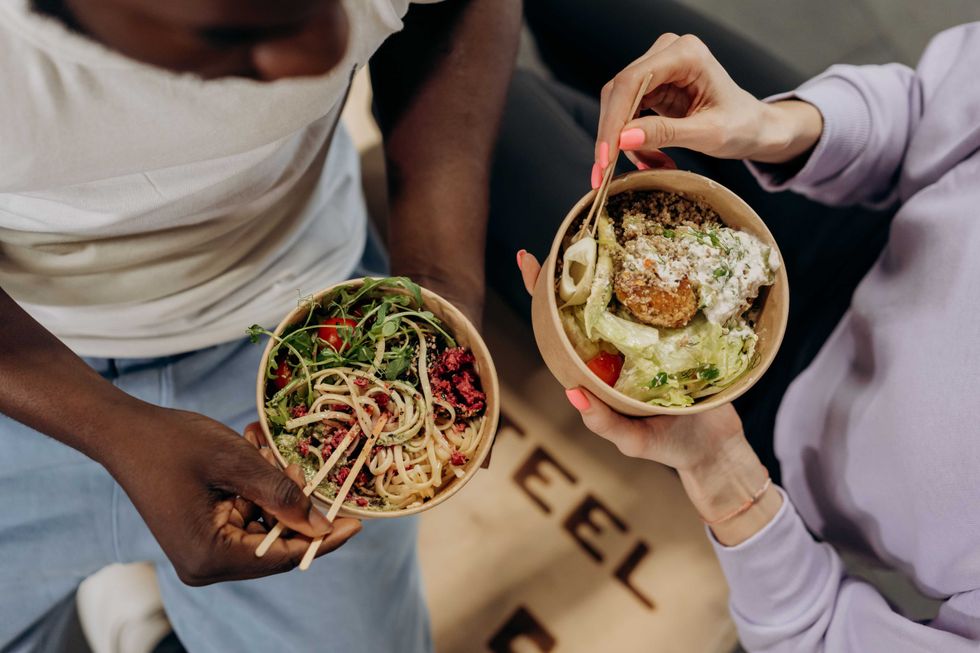
4. Diet isn't the be-all and end-all of what it means to be healthy
Whether you've tried eating Keto, vegan, or intermittent fasting, diets have always been central what we perceive as the defining factor of health.
But, to my surprise, it's something Brecka takes a completely different approach to - instead rooted in knowing what's in our food, rather than where it sits in the Venn diagram of 'good' and 'bad'.
"If you went to Singapore, you have one of the highest meat consumptions in the world and one of the longest life expectancies", he notes.
"You go to the Mediterranean, it's very high in fatty oils, fatty fish. In Sardinia, it's one of the highest carbohydrate consumptions in the world - very long life expectancy."
He uses the example that in some areas, they're consuming one litre of olive oil per person, per week; which sounds like a cardiologist's worst nightmare. And yet, locals are living long and healthy lives, because they have something else in common.
"It's not the dogmatic dieting, it's the absence of processed foods", he tells me. "You don't see those existing in the diets anywhere in the world where people have extended lives."
In our hour-long conversation, we cover everything from Blue Zones, to Peptides, NAD+, Precision Genetic Testing, and the practical steps you can take towards living healthier (or, perhaps even longer).
Watch now via The Independent on YouTube:
- YouTube www.youtube.com
The contents of this article are not intended as medical advice.
Why not read...
Biohacker Gary Brecka shares one wellness 'hack' we were all wrong about
Sign up for our free Indy100 weekly newsletter
Top 100