
The Conversation (0)
Why At-Home Wellness Tools Are Becoming a Bigger Part of the Wellness …
Woman's World - Recipes / VideoElephant
Whether you love or loathe it, we're in a wellness boom.
As people begin to think more deeply about how their choices shape their health (or even longevity), we're ditching calorie counting in favour of the gut-brain axis, nutritional impact of the foods we eat, and how what's inside reflects outside, too.
Speaking of gut health, fermented food popularity has skyrocketed in the last few years with the likes of sauerkraut and kimchi being praised for their natural probiotics and digestion-loving properties, as well as just their taste.
Now, we could be about to witness another up-and-comer in the wellness space, which, like most things, has actually been a quiet favourite for longevity for thousands of years.
Japan is home to one of the world's blue zones (Okinawa specifically), and their plant-heavy diet, active daily movement, strong community bond, make them great candidates to take advice from.
 iStock
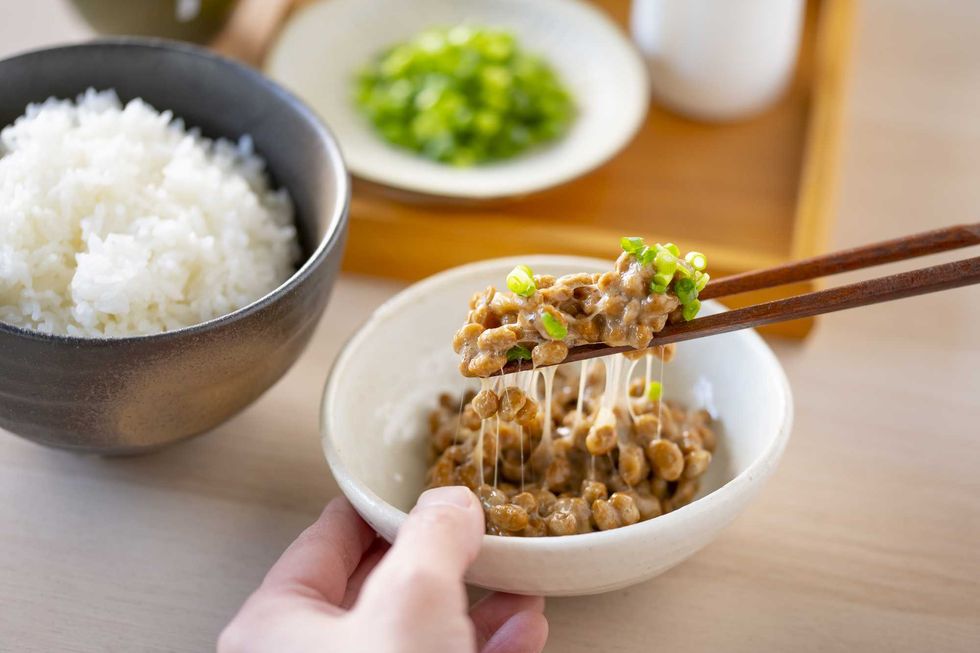
It could explain why natto, a traditional breakfast derived from fermented soy beans, is currently having its moment in the spotlight.
It's thought the dish is a result of accidental fermentation around 1,000 years ago - with legend suggesting that Samurai Lord Minamoto no Yoshiie and his troops were boiling soybeans to feed their horses in 1083 AD, when they were forced to pack them into rice straw bundles as a sudden attack came.
Days later, they found that the beans had turned into a sticky, umami meal they could all benefit from.
Scientists went on to develop the bacterium from the straw, Bacillus subtili, in a lab, so that the dish could be made on a bigger (and more hygienic) scale for years to come.
While you may well never have heard of it, in Eastern Asia, it lines the fridges of supermarkets.
That's not to say you're going to be ditching pancakes anytime soon, as natto does have a rather controversial flavour. Often served with rice, the fermented beans themselves are sticky and stringy, and sometimes come with a bitter aftertaste.
If it's the health properties you're drawn to, however, it's low calorie and rich in vital minerals including iron, copper, vitamin K, magnesium, potassium, selenium, zinc, vitamin C and calcium.
 iStock
What's more, a number of studies have been carried out on its benefits, with some even suggesting it could quietly be helping to boost lifespan.
A research group led by Professor Eriko Kage-Nakadai at the Graduate School of Human Life and Ecology, Osaka Metropolitan University, examined the effects of natto consumption on the lifespan of worms - and found that there was a major correlation with longevity, and resistance to oxidative stress.
In humans, oxidative stress increases the risk of chronic conditions like heart disease, diabetes, and cancer.
Other research suggests that the enzyme nattokinase could also help promote blood-thinning, or that the high levels of K2 (a form of Vitamin K) are helping lower levels of osteoporosis in regions where natto is a popular breakfast choice.
To make it yourself is long, but rather simple.
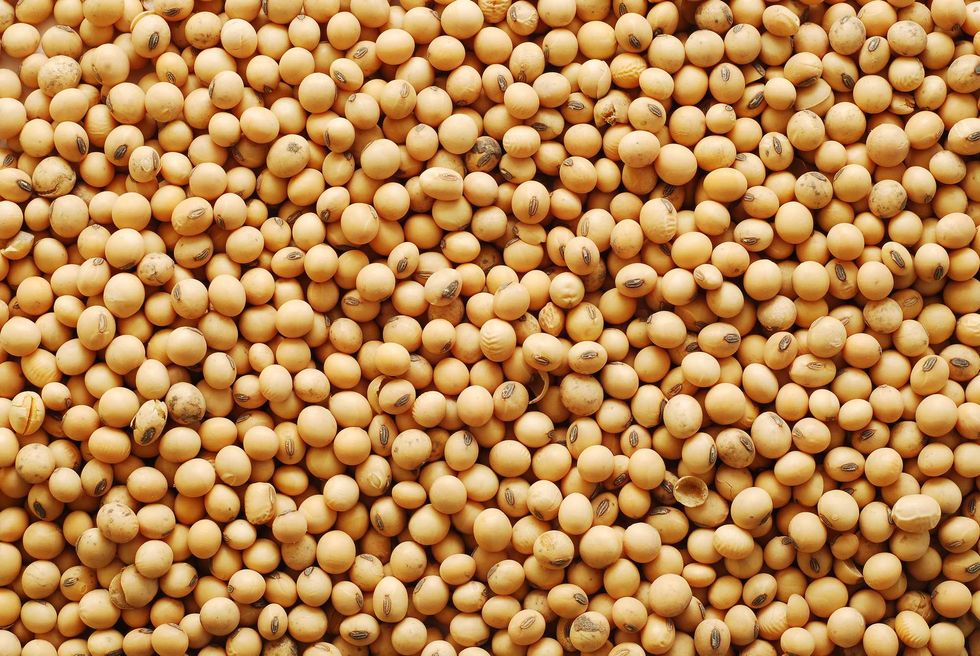
You'll want to soak two cups dried soybeans in water for up to 12 hours, before draining, and using a sterilised small bowl to combine them with the natto starter spores.
 iStock
Divide the beans into airtight containers and store them in a warm place (around 38 degrees), rotating the containers regularly for around 20-24 hours.
You'll know they're good to go once they develop a thin, white film - which is when they can be placed in the fridge to ferment for a further 12 hours.
The result? A simple, much-loved dish that packs a punch in wellness benefits - no red light therapy or gym required.
Why not read...
Kim Kardashian takes '35 supplements a day'. Should you too?
Scientists say Botox could be quietly helping with depression
Sign up to our free indy100 weekly newsletter
Top 100