The Conversation (0)
Why sleep matters more than you think
Fox - 5 Atlanta / VideoElephant
A good sleep score feels like a badge of honour.
Hitting that coveted '100' makes our day feel instantly more productive, and embodying the role of 'smug person that brags to your insomniac friends about being in the eight hours club' is simply unmatched.
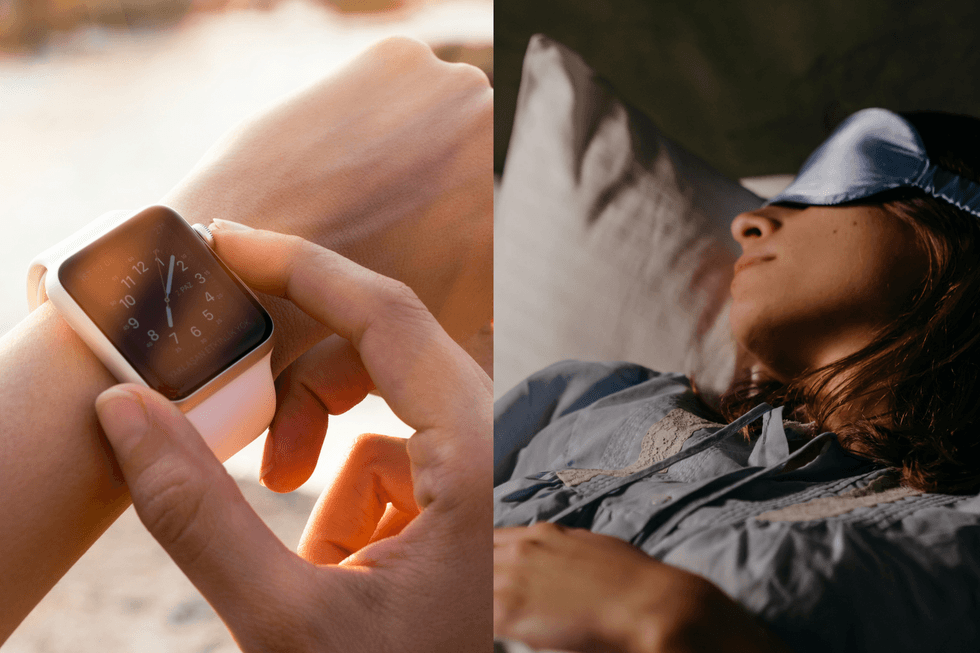
It's already been dubbed "the ultimate luxury", and conversations around sleep and overall wellbeing become more prominent in the health space, being a 'good' sleeper has become seen as an indicator of overall lifestyle.
Biohacker, Bryan Johnson, frequently shares his own sleep score results; claiming he has "the best sleep score in human history", having clocked eight months of 100 per cent scores on his WHOOP.
 iStock/Pexels
He credits sleeping at 8:30 PM, maintaining a 66°F room, and managing a low resting heart rate for his success between the sheets.
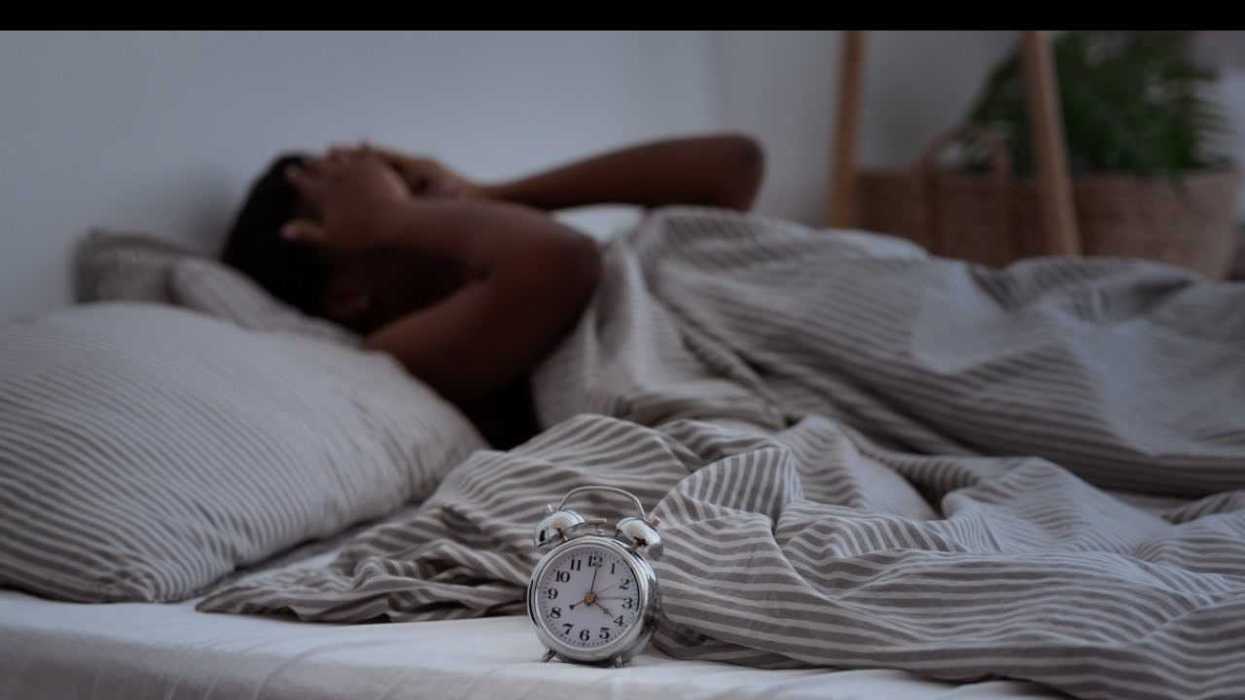
However, even if you got to bed on time and felt like you’d done all the right things to catch those ZZZs too, you can quite often find yourself taken aback when you wake up feeling refreshed, only to discover your smart watch awarded you a humble 30 for your efforts.
We've all been there. It plays on your mind for the rest of the day. Suddenly, the yawns begin to kick in at 12pm, and you’re not as alert as you think you should be, all because your score said you didn’t sleep well. So it must be true, right?
Well, research from a 2014 study suggests that by being sleep score obsessives, we could actually be tricking our bodies into physiologically replicating the results on our screens.
Christina Draganich and Kristi Erdal from Colorado College tricked subjects into believing that the quality of their previous night’s sleep could be determined by measuring their brain waves with an EEG - except, it wasn't actually doing anything at all.
Instead, they were then randomly assigned sleep scores, with some participants told they'd had just 16.2 per cent REM (rapid eye movement) sleep, which is below average.
 Pexels
The group was given a number of tests, including a mental arithmetic task to compare the results. Those told they'd had a bad night's sleep wildly underperformed against those who were told they'd had a good night's sleep in every sense.
"We have shown that decrements in performance can be elicited when verbal instruction and technological displays convey poor sleep quality to the individual," the researchers said. "We have also shown that increments in performance can be elicited when verbal instruction and technological displays convey high-quality sleep."
It’s why many athletes won’t bother checking their scores the morning of a race, because it could instantly transform how they perform just through psychology, or even trigger orthosomnia.
Crossfit athlete, Aimee Cringle, told TechRadar that she ditches smartwatches all together when it comes to competing.
"If on waking it showed me I wasn’t well recovered, in my head I’d be more likely to feel poorly recovered. If I don’t have it on, I just don’t know", she told the outlet.
The 2014 study, agrees, too, concluding: "These findings supported the hypothesis that mindset can influence cognitive states in both positive and negative directions, suggesting a means of controlling one's health and cognition."
So, next time you didn't get the sleep score you were quite hoping for - perhaps don't let it send your day into chaos too much.
Why not read...
- Experts have pinpointed the 'ultimate luxury' - and it isn't something you can buy
- People are getting filler in their ears and the internet says beauty has gone too far
How to join the indy100's free WhatsApp channel
Top 100