The Conversation (0)
iStock
TikTok is ruling the beauty scene right now.
It propelled K-Beauty to new heights, made snail mucin a non-negotiable on our bathroom shelves, and convinced us that maybe £104 for Victoria Beckham's Foundation Drops was genuinely worth it.
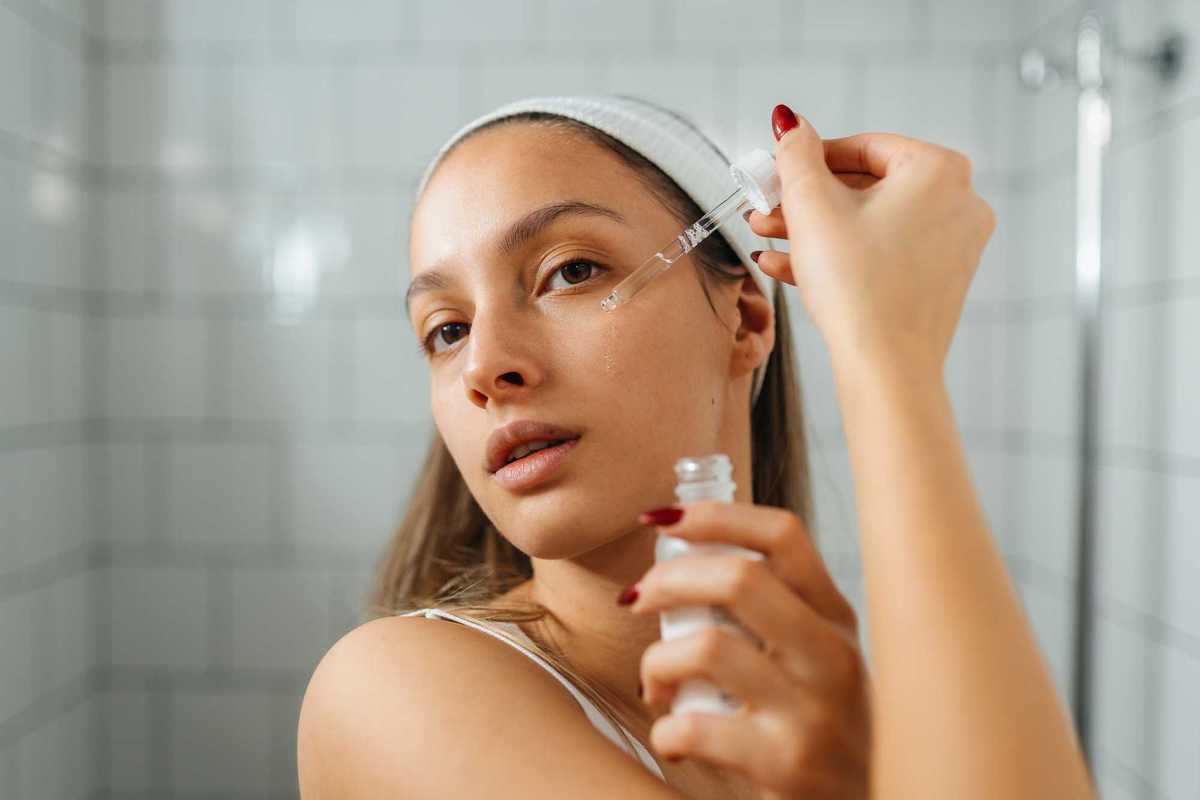
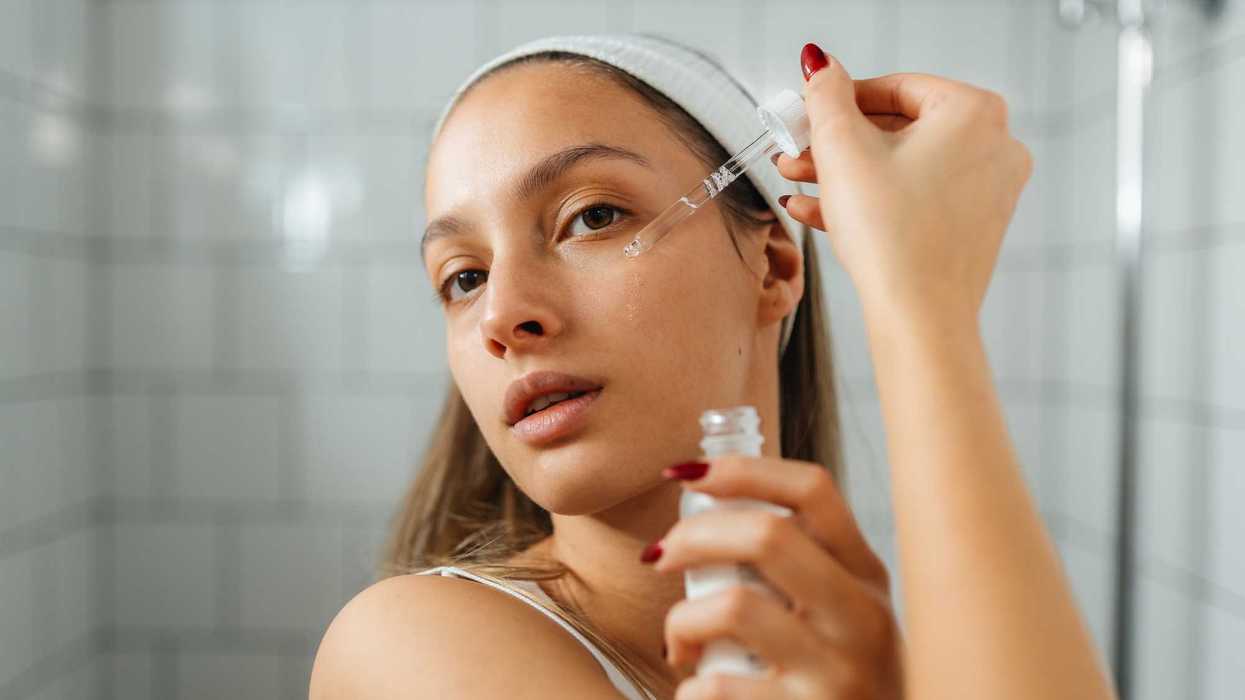
Now, there's a new ingredient ruling the roost, and you may well have seen it credited for plumping and smoothing our faces where other products simply couldn't: Volufiline.
According to Spate, search interest in Volufiline has reportedly increased by more than 860 per cent year on year, while TikTok mentions have risen by 891 per cent.
Medicube’s PDRN Pink Collagen Volume Multi Balm has been one of the most-recognisable products helping push the ingredient into the spotlight (you know, the pink jelly-like stick?), while The Ordinary’s new Volufiline formula has taken it from niche beauty trend to mainstream skincare talking point.
But what is Volufiline, and does it really work? We spoke to Dr Kaywaan Khan, Medical Aesthetic Doctor and Founder of Harley Street’s Hannah London, to find out.
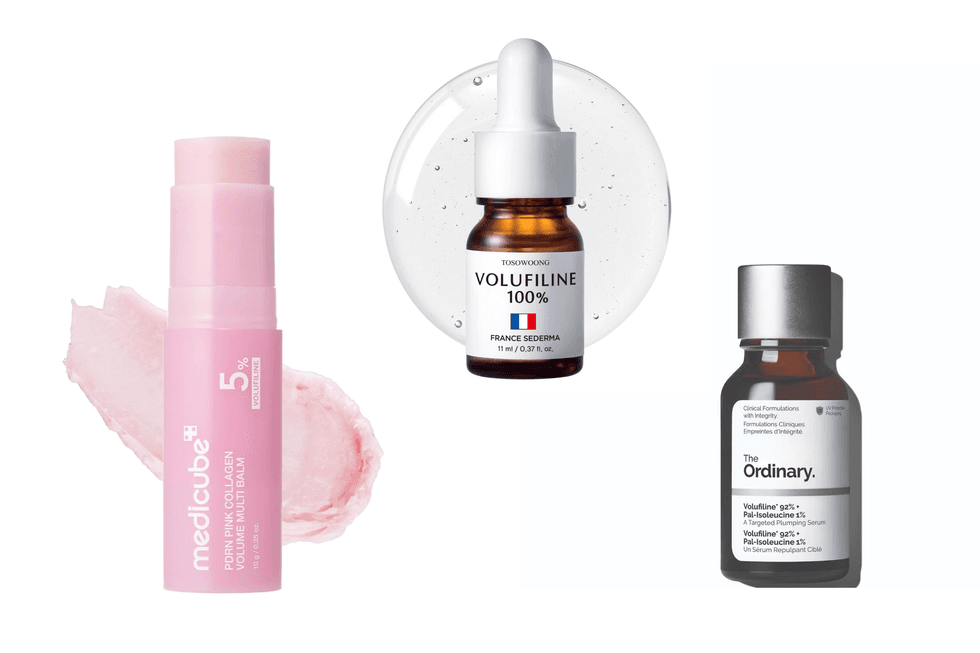 Medicube/Amazon/The Ordinary
What is Volufiline?
"Volufiline is a plant-based, vegan cosmetic ingredient which has surged in popularity due to user claims of being ‘filler in a bottle’. However, this description needs to be handled carefully as it is not a filler or injectable treatment. The ingredient comes from Anemarrhena asphodeloides root extract, a plant traditionally used in Chinese medicine, combined with an oil-based carrier that helps it sit within skincare formulas. It’s usually added into creams, serums or topical skincare to help the skin look more hydrated and plump.
"Interest in Volufiline has grown because it sits within a much bigger conversation around facial volume loss. Many people are now experiencing visible facial changes after weight loss, including those using weight loss medications, while others are noticing the natural loss of facial fat that happens with age. This can show up around the under-eyes, cheeks and nasolabial folds, where the face can start to look more hollow or less supported.
"For years, the main way to treat this kind of volume loss has been with in-clinic options such as dermal filler, biostimulatory injectables or fat transfer. The idea that a topical skincare ingredient could help support volume without injectables is understandably appealing. However, whilst Volufiline may offer a subtle cosmetic benefit for some people, the science is still limited, and it should not be viewed as a direct replacement for in-clinic treatments."
Is Volufiline really an alternative to filler?
"Volufiline is believed to work by targeting fat cells beneath the skin. The theory is that its plant-derived compound may help encourage fat cells to store more lipids, which could make the area appear slightly fuller over time. This is why some users are applying it to areas such as the smile lines, under-eyes, and cheeks, hoping for a softer, more plumped appearance.
"The issue is that most of the evidence behind Volufiline is still very limited. The most commonly referenced human study looked at its use on the breasts, not the face. In that study, participants applied a 5 per cent Volufiline formulation twice daily for 56 days, with only a modest average increase in volume. That means there is some clinical basis for the ingredient, but not enough evidence to say it can reliably rebuild facial volume in the way injectables can.
"This is where the 'filler-like' label becomes slightly misleading. Fillers can restore lost volume at a deeper structural level whereas skincare works much more superficially. Volufiline may help some people notice a subtle plumping effect, especially with consistent use, but it is unlikely to dramatically reverse deeper facial fat loss.
"For anyone who does want to try it, the most sensible approach is to use it consistently for at least eight weeks before judging results. It can be applied after cleansing to the areas where volume loss is a concern, then followed with the rest of the skincare routine. It should not replace proven basics such as moisturiser, SPF or retinoids, but it may sit alongside them as an extra targeted step."
Is Volufiline safe?
"Volufiline is generally considered safe for topical use, when it is used in properly formulated skincare. However, 'plant-derived' does not automatically mean risk-free. Botanical ingredients can still cause irritation or allergic reactions, and because Volufiline is oil-soluble, some formulations may feel heavy or may not suit acne-prone or milia-prone skin, especially around the eyes.
"The biggest concern is not necessarily Volufiline itself, but the way it is marketed and sold. When an ingredient is promoted online as a 'filler alternative' or as something that can 'grow fat' in the face, consumers can be left with unrealistic expectations. Regulation could be improved by tightening the claims brands are allowed to make around ingredients like this.
"In the UK, cosmetic brands should already be able to substantiate the claims they make, but viral beauty trends often move faster than regulation. Any brand claiming visible facial volumisation should ideally have strong human clinical data, with clear information for the consumer on concentration, usage, and realistic results to expect."
Why not read...
What are spicules? This is why the K-beauty buzzword keeps popping up in your skincare
Everything inside Sephora's 2026 advent calendar as it finally drops
Sign up to our free indy100 weekly newsletter
Top 100