The Conversation (0)
K-Beauty Is Everywhere Now: How Korean Skincare Became a Mainstream U.S. Beauty …
Woman's World - Recipes / VideoElephant
It's one thing seeing the benefits of a new skincare buzzword performing its magic, but sometimes, when patience is a virtue, it's nice to feel it getting to work too.
So, there's little surprise that K-beauty's next big trend comes in the form of spicules - and they're creating some serious tingles. The good kind, at least.
You may have noticed the term popping up in everything from serums to face masks in the last few months - and for good reason - with their clinical-inspired impact.
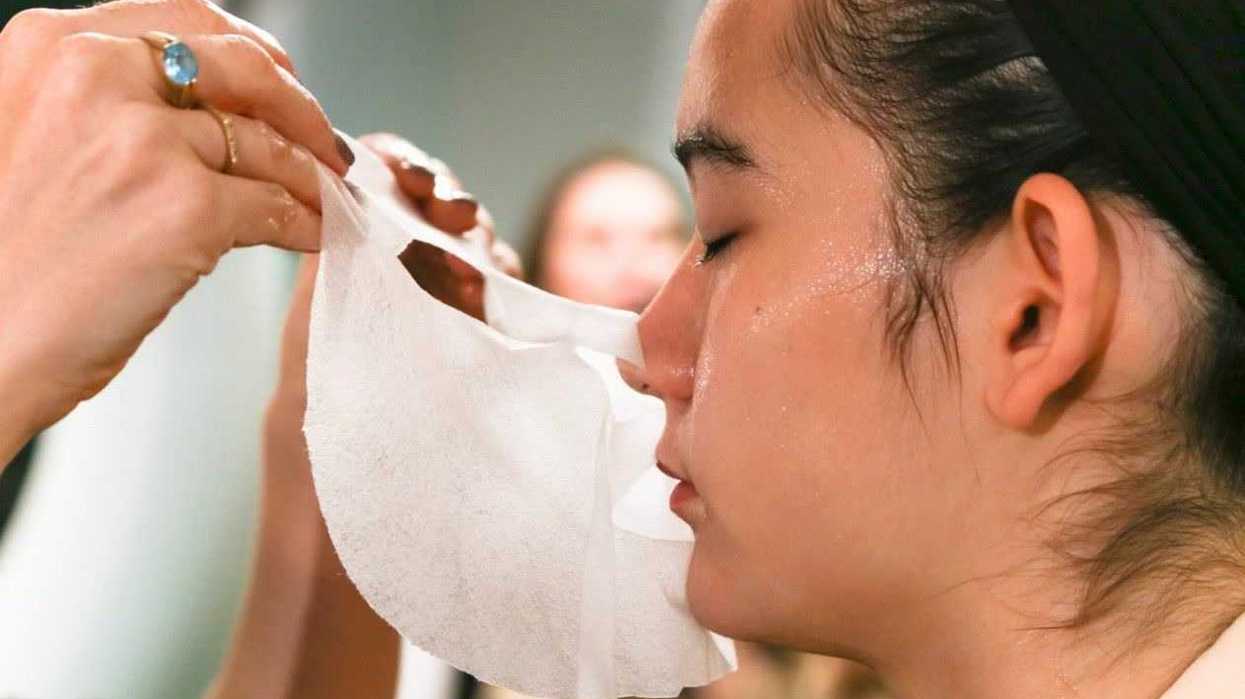
They're considered a delivery system-based technology rather than an ingredient, causing micro-piercings to your skin's surface and ultimately, making your existing skincare routine a little more supercharged. Hello, glass skin.
 iStock
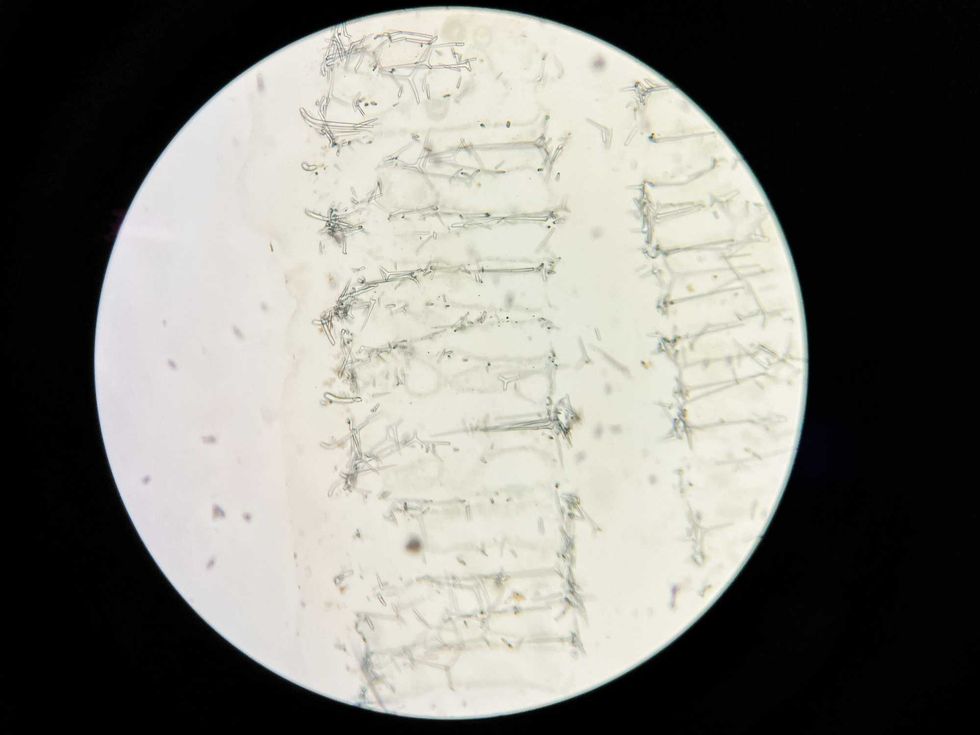
"Spicules are essentially microscopic, needle-like structures, traditionally derived from marine sponges, that are now being incorporated into topical skincare", notes Dr Ahmed El Muntasar, GP, Aesthetics Doctor and owner of The Aesthetics Doctor.
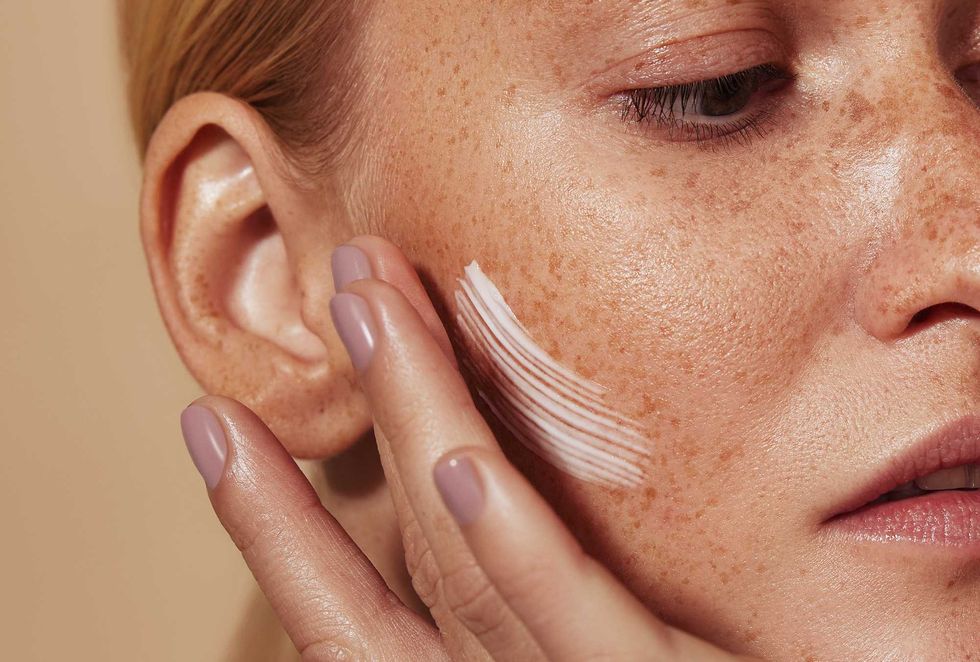
"When you massage a spicule-containing product into the skin, you can often feel that slightly prickly or tingling sensation because these tiny structures interact with the very superficial layers of the skin. The idea is that they create a controlled physical stimulus and may temporarily enhance the delivery of certain skincare ingredients."
Other marketed benefits include improvement of skin texture, added radiance, and improved appearance of pores - however, Dr Ahmed notes that some of the bigger claims of it being equivalent to in-clinic treatments such as microneedling may not be entirely accurate, as research is still in its infancy. But, some would say it's a good start.
"A lot of their popularity has come from the continued influence of Korean skincare", he says.
"Consumers are increasingly interested in products that feel more active and results-driven, and spicules fit perfectly into that category because you can physically feel something happening when you apply them."
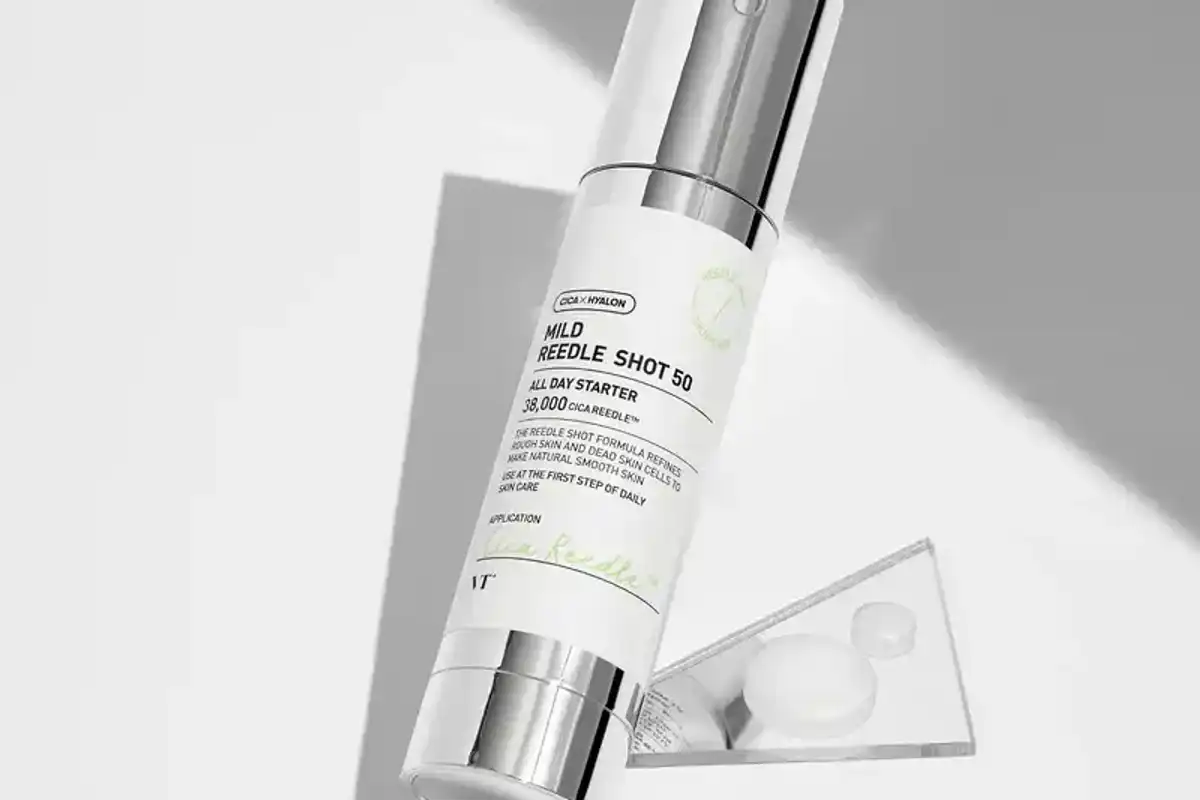
He continues: "Social media has accelerated that enormously. Products described as 'reedle shots' or 'liquid microneedling' have made what was previously quite a niche ingredient much more mainstream. There’s also a wider trend towards bringing concepts we associate with aesthetic treatments into at-home skincare."
 iStock
How to incorporate spicules into your skincare routine at home
"I would introduce them gradually rather than suddenly adding a high-strength spicule product every night", Dr Ahmed tells us.
"Start with a lower-intensity formulation and see how your skin responds. I’d keep the rest of the routine quite simple initially: gentle cleanser, the spicule product as directed, a good moisturiser and SPF during the day.
"I would avoid layering it on the same evening with lots of potentially irritating actives such as strong retinoids, exfoliating acids or scrubs, particularly when you first start using it. More irritation doesn’t automatically mean better results."
Who should be using spicules?
"I think they’re most interesting for someone with relatively resilient skin who wants to target texture, dullness or the appearance of pores and is already comfortable using active skincare", says Dr Ahmed.
"I’d be much more cautious in people with very sensitive or reactive skin, an impaired skin barrier, active eczema or rosacea, or anyone whose skin is already irritated. I also wouldn’t use them immediately before or after procedures that temporarily compromise the skin barrier unless specifically advised by your practitioner."
 VT Cosmetics
How often should you be using spicules?
Dr Ahmed advises: "This really depends on the formulation because there is a huge variation in the concentration and intensity of these products.
"I wouldn’t assume that every spicule product should be used daily simply because it’s topical. With a stronger product, I would generally start conservatively — perhaps once or twice a week — and increase only if the skin is tolerating it well, while following the manufacturer’s directions.
"If you’re getting persistent redness, burning, significant peeling or sensitivity, that’s a sign to stop rather than push through it."
So, is this just a trend, or an ingredient we'll be seeing more of them?"
"I think we’ll definitely see more of them", he affirms.
"They tick several boxes that are driving skincare at the moment: Korean beauty, interesting delivery systems, high-performance home skincare and products that give the consumer an immediate sensory experience.
"What I think will change is the conversation around them. At the moment there’s a lot of excitement and some very bold claims. As they become more mainstream, I’d like to see better clinical data showing exactly what they can deliver, which ingredients they genuinely improve the delivery of and how repeated use affects the skin barrier.
"So I don’t necessarily think spicules themselves are a passing fad, but some of the hype around them may settle. Ultimately, they need to prove that the results match the excitement."
Why not read...
Everything inside Sephora's 2026 advent calendar as the waiting list opens
'Female Bryan Johnson’ reversed skin age by nine years - this is exactly what it took
Sign up to our free indy100 weekly newsletter
Top 100