The Conversation (0)
What is XERF? Why every A-lister is getting South Korea's favourite treatment right now
iStock
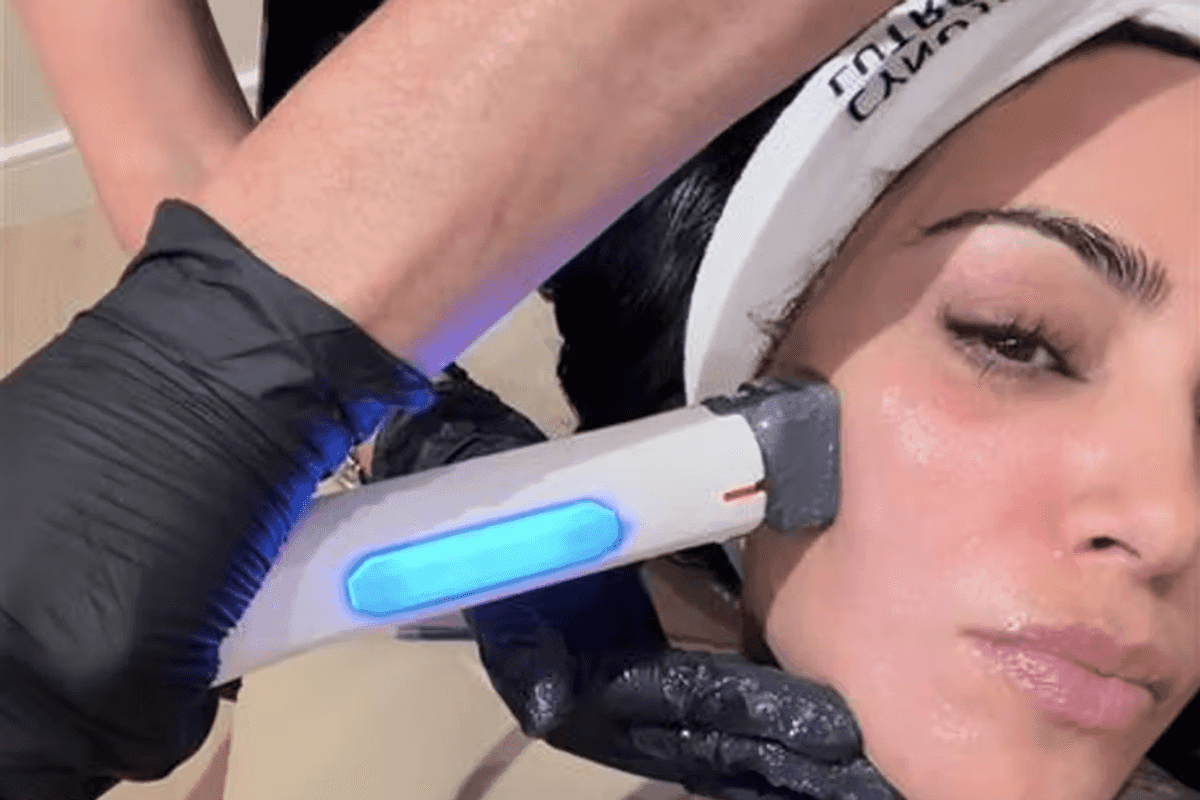
Kim Kardashian raved about it, Priyanka Chopra-Jonas posted about it, and now, Korean skin-tightening treatment XERF has made its long-awaited landfall in the UK.
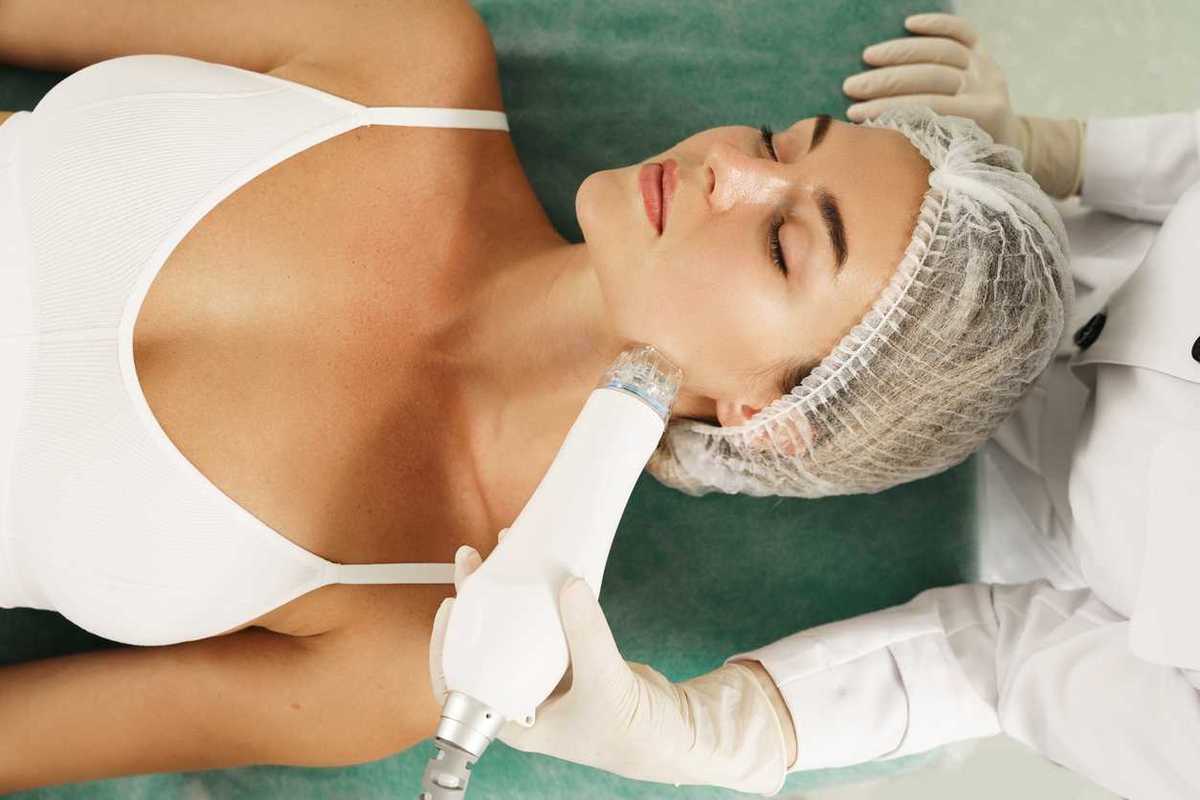
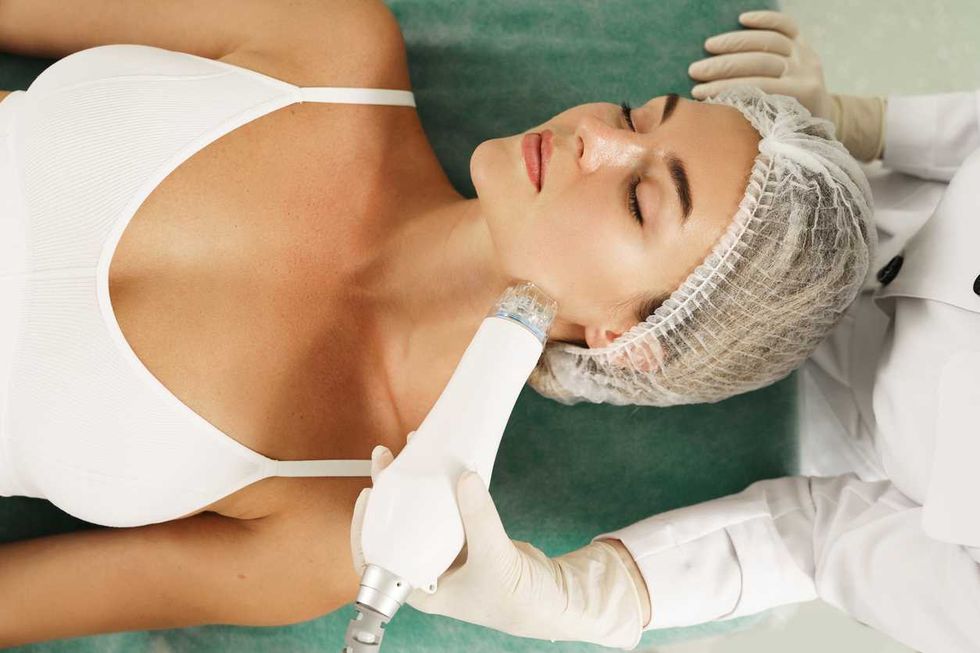
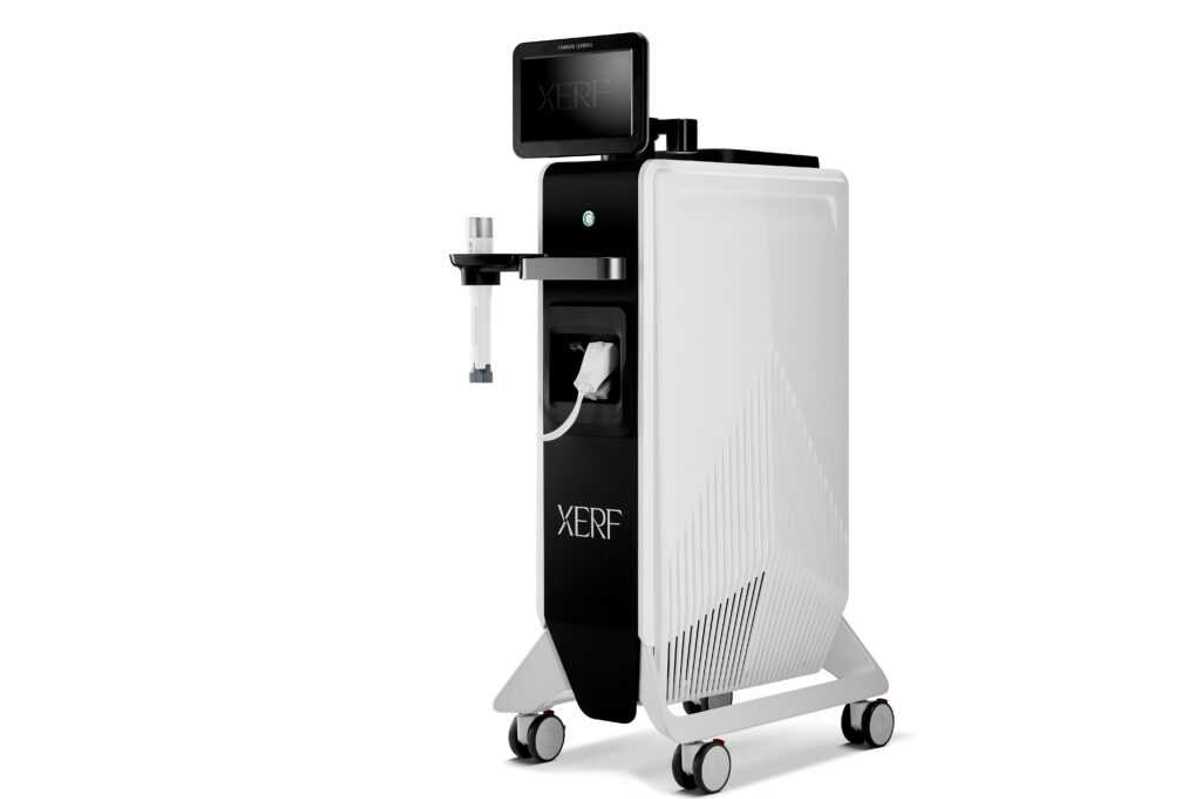
Previously an 'if you know, you know' treatment reserved for A-listers and the beauty circle alike, XERF (short for eXperience Exponential RF), is a radio frequency device designed to tighten, lift, and boost collagen in a clinical setting, thanks to its ability to work more deeply in the skin than other popular RF devices.
Born in South Korea in 2024, it's had a slow rollout into the US and Canada (having been FDA-approved in 2025), with its UK debut not until September 2026.
It's meteoric as far as skincare innovation goes (if the social media buzz wasn't enough to convince you otherwise) and the before and after results speak for themselves.
Sessions usually take involve around 30-45 minutes depending on the area being treated (it can be used across the body, as well as face), and are relatively low when it comes to pain. What's more, after a session, you can go back to your normal daily activities - including the gym - as usual.
However, one thing worth considering is that it comes with a heavyweight price tag too - reaching up to £4,500 for a single session.
As more people query whether this could be the future of clinical skincare, we spoke to Dr Nyla Raja, Founder and Medical Director of Dr Nyla Medispa, about what you need to know...
 Kim Kardashian via Instagram
What is XERF?
"XERF is one of the most exciting developments in non-surgical skin tightening to emerge from South Korea. It uses advanced radiofrequency technology to stimulate the skin’s own collagen production, helping restore firmness, elasticity and definition without surgery or injections.
"What makes XERF particularly interesting is its dual-frequency technology. By combining two radio frequencies, it allows us to deliver controlled heat at different depths beneath the skin, targeting the tissues responsible for maintaining facial firmness. The heat encourages existing collagen fibres to contract while stimulating the gradual production and remodelling of collagen over the following months.
"I always explain to my patients that we’re not trying to change their faces. We’re trying to improve the quality and structural support of their skin, allowing them to look fresher, firmer and naturally rejuvenated."
How does XERF work?
“The clever part of XERF is that it delivers controlled thermal energy beneath the skin while using integrated cooling to protect the surface.“This allows us to stimulate collagen in the deeper tissues without intentionally damaging the epidermis. Of course, no energy-based treatment is entirely without risk, which is why appropriate settings and experienced practitioners are so important.”
Who is the best candidate for XERF?
“The ideal candidate is someone beginning to notice a loss of skin firmness, perhaps a little softness around the jawline, early jowling, or reduced elasticity through the cheeks and lower face. It’s particularly appealing to patients who want visible improvement but aren’t ready for surgery and don’t want to look as though they’ve had anything done.
“We often see these changes emerging from the late thirties onwards, although biological age is far more important than the number on someone’s birthday cake. I’m a great believer in treating the early signs of ageing rather than waiting until significant laxity develops - Once the skin has lost a substantial amount of its structural support, non-surgical treatments naturally have their limitations."
What can a patient realistically expect from one XERF treatment?
“I think it’s important to be realistic. XERF isn’t a facelift, and I would never promise patients a dramatic transformation from a single treatment. What we are looking for is an improvement in skin firmness, elasticity, and overall facial definition. Some patients may notice an initial tightening effect, but the more meaningful changes develop gradually as collagen remodels over the following weeks and months. That’s what makes these treatments so appealing. The results can be subtle and progressive, rather than an obvious overnight change.
“A single session may be sufficient for someone with mild laxity, while others may benefit from a course of treatments. I prefer to reassess patients after approximately three months, once we’ve had time to evaluate their response. Maintenance may then be considered, potentially around once a year, depending on the patient’s skin and ageing process, although the ideal long-term schedule has not yet been firmly established.
“The goal isn’t to keep treating someone unnecessarily. It’s to achieve the best possible result with the most appropriate treatment plan.”
How long does XERF take? Is there any downtime?
“One of XERF’s biggest attractions is its convenience. A typical appointment takes approximately 45 minutes to an hour, depending on the areas being treated. Patients generally describe a warming sensation as the radio frequency energy is delivered into the skin. The cooling technology helps make the experience more comfortable, and many patients don’t require anaesthetic cream.
“There can be moments of more intense heat, but treatment should always be adjusted according to the patient’s comfort and the clinical endpoint. Downtime is usually minimal. Some patients experience temporary redness, warmth or mild swelling, but most can return to their usual activities straight away. Afterwards, I recommend keeping skincare simple: a gentle cleanser, a good moisturiser and broad-spectrum SPF 50.
"I would also advise avoiding strong exfoliating acids, retinoids and excessive heat for the first day or two if the skin feels sensitive. It’s the kind of treatment that can fit into a busy lifestyle without requiring patients to disappear from work or social engagements for several days.”
 XERF
Can XERF really lead to facial fat loss?
“One concern I hear increasingly from patients is whether skin-tightening treatments can cause facial fat loss - and it’s a very valid question.
“Facial fat is essential to maintaining a youthful appearance. In fact, one of the greatest mistakes we can make in aesthetic medicine is to compromise the very fat compartments that give the face its natural softness and youthful contours.
“XERF offers flexibility in the depth and intensity of energy delivery, allowing practitioners to tailor treatment to the patient’s anatomy. However, I would never suggest that fat loss is impossible. Excessive heating of deeper tissues can potentially affect fat, and the long-term evidence specifically assessing this risk with XERF is still developing. The aim is to stimulate collagen without causing unwanted changes to facial volume.”
How does XERF compare with other skin-tightening treatments on the market?
“I’ve worked with energy-based skin-tightening technologies for many years, and what I’ve learnt is that there is no single machine that can address every aspect of facial ageing. Different technologies work at different depths, using different forms of energy, and that’s precisely why understanding facial anatomy is so important.
“What interests me about XERF is the ability to combine two radio frequencies and customise the depth of treatment. It’s an evolution of technology we’ve trusted for years, with potentially greater flexibility in how we target different tissue layers. Some established treatments use radio frequency, while others use ultrasound to create controlled heating within the skin and its supporting structures. Both approaches can be effective, but they aren’t interchangeable.
“I don’t necessarily see XERF replacing these technologies. I see it becoming another valuable option in an increasingly sophisticated treatment portfolio. For me, the real art of aesthetic medicine lies in selecting the right treatment for the right patient, rather than expecting one device to do everything.”
What does the clinical evidence say about XERF?
“The early clinical evidence is encouraging, particularly when we look at improvements in skin laxity, facial definition and patient satisfaction. A prospective multi-centre study involving 39 patients reported aesthetic improvement in approximately 92% of participants at 90 days, following two treatment sessions. A separate study involving 16 women found improvements in facial skin quality, including wrinkles, texture and firmness, following a single treatment.
“Importantly, that smaller study reported no evidence of facial fat atrophy during its three-month follow-up period. However, as a doctor, I think it’s essential to distinguish between promising early findings and the substantial evidence we have accumulated for some longer-established technologies.
“These are relatively small studies, and we still need larger, independently conducted trials, longer follow-up periods and direct comparisons with existing treatments. I’m enthusiastic about XERF because the underlying science of radio frequency-induced collagen remodelling is well established, and the early results are promising.
“But, innovation should always be accompanied by scientific scrutiny. The most exciting technology is ultimately the one that consistently delivers safe, reproducible results for our patients.”
 iStock
Why is Korea dominating so much when it comes to aesthetic treatments right now?
“Korean beauty culture has traditionally placed enormous emphasis on skin quality: smoothness, luminosity, firmness and maintaining a youthful appearance without necessarily looking as though you’ve had cosmetic treatment.
“That philosophy has helped drive demand for increasingly sophisticated technologies that focus on skin regeneration and collagen stimulation. What I find particularly exciting is the movement away from simply adding volume to the face and towards improving the quality of the tissues themselves. For years, aesthetic medicine became almost synonymous with injectables. But facial ageing is far more complex than volume loss alone. We lose collagen, elasticity and structural support, and the different layers of the face age at different rates.
“The newer generation of Korean technologies reflects a growing understanding of this complexity, with increasingly refined approaches to energy delivery, treatment depth and patient comfort. That doesn’t mean Korean technology is automatically superior to European or American devices. Some of the most important developments in aesthetic medicine have come from manufacturers across the world. But Korea is certainly helping to accelerate innovation, and that can only be a positive thing for patients.
“I believe we’re entering a particularly exciting era in aesthetic medicine, where the emphasis is shifting from altering faces to preserving them. The ultimate achievement isn’t when somebody looks at a patient and thinks they’ve had an amazing treatment - It’s when they look at them and think they look incredibly well, naturally youthful, and completely themselves.”
Why not read...
13 beauty products that are trending on TikTok right now actually worth knowing about
Is Volufiline really 'filler in a bottle'? Skin doctor weighs in on TikTok's next big beauty trend
Sign up to our free indy100 weekly newsletter
Top 100