The Conversation (0)
Alan Cumming explains why viewers may have heard 'heckling' during Bafta Film …
BBC
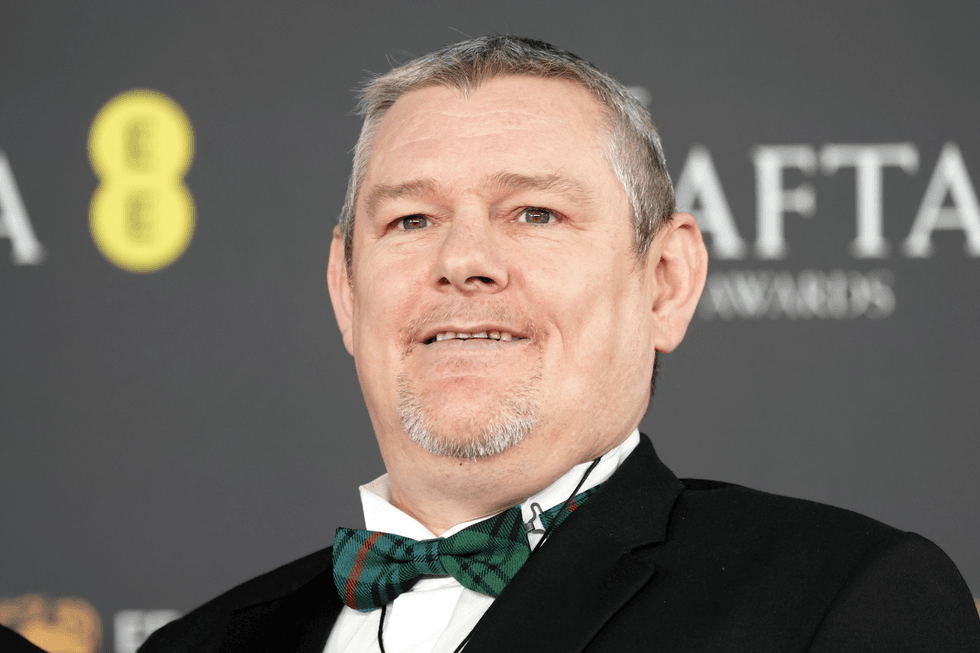
The BBC has issued an apology after a racial slur was broadcast during its coverage of Sunday’s Bafta Film Awards ceremony, confirming the segment was not edited out prior to transmission. The corporation expressed regret for "any offence caused" following the incident, which involved Tourette campaigner John Davidson.
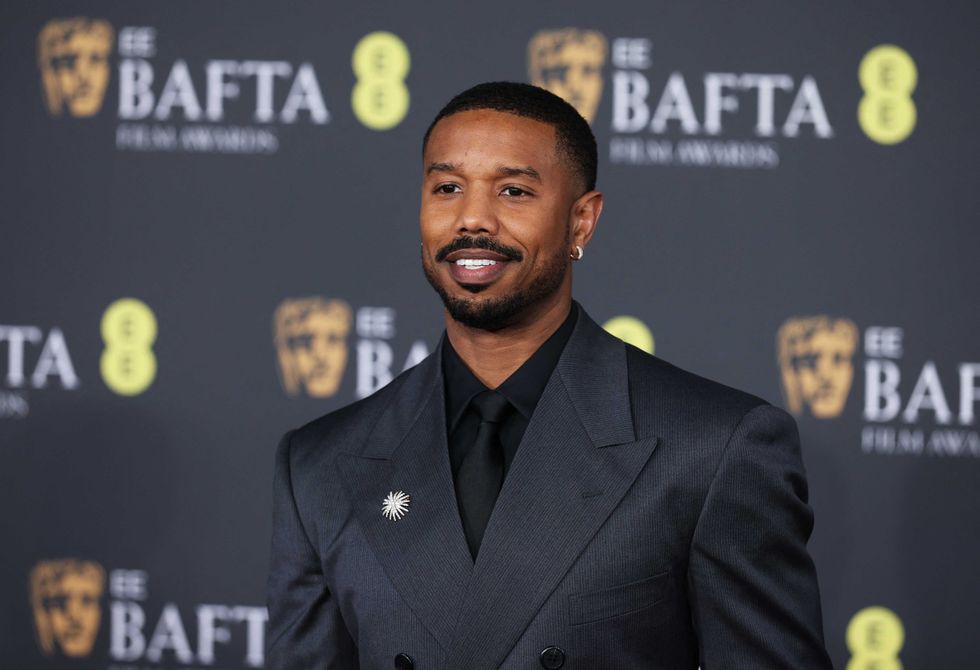
The offensive language was heard as actors Delroy Lindo and Michael B Jordan presented the award for special visual effects at London’s Royal Festival Hall.
A BBC spokesperson stated: "Some viewers may have heard strong and offensive language during the Bafta Film Awards. This arose from involuntary verbal tics associated with Tourette syndrome, and as explained during the ceremony it was not intentional. We apologise that this was not edited out prior to broadcast and it will now be removed from the version on BBC iPlayer." Following the broadcast, the Bafta Film Awards was temporarily removed from the BBC’s streaming service.
Tourettes Action, a charity dedicated to the condition, acknowledged the harm caused by the racial slur but urged for greater public understanding of Tourette syndrome. The charity voiced its "incredibly proud" support for Mr Davidson and the film I Swear, which chronicles his life with the condition since the age of 12.
 BBC removes Bafta ceremony from iPlayer after failing to edit out involuntary racial slur PA
A spokesperson for the charity addressed the "negative comments" that followed Mr Davidson’s involuntary vocal tics, explaining: "We deeply understand that these words can cause hurt but, at the same time, it is vital that the public understands a fundamental truth about Tourette syndrome, tics are involuntary. They are not a reflection of a person’s beliefs, intentions or character." The charity added that individuals with Tourette’s can utter words or phrases they do not mean, endorse, and often experience significant distress afterwards, emphasising that these symptoms are neurological, not intentional. The "backlash" to the incident was described as "deeply saddening," and it was noted that Mr Davidson chose to leave the ceremony early.
Tourette Scotland, which has collaborated with Mr Davidson, reiterated that there was "no meaning" behind his outburst, highlighting that the Tourette’s community is "kind and very empathetic, and would never like to upset anyone with their tics." A spokesperson for the charity stressed the importance of the Baftas’ recognition for the Tourette’s community and the positive impact Robert Aramayo and John Davidson have had on changing perceptions. However, they added: "the backlash around the coprolalia (the type of Tourettes which sees offensive words shouted) has once again shown that more work needs to be done to educate society on Tourette’s Syndrome and for those living with it."
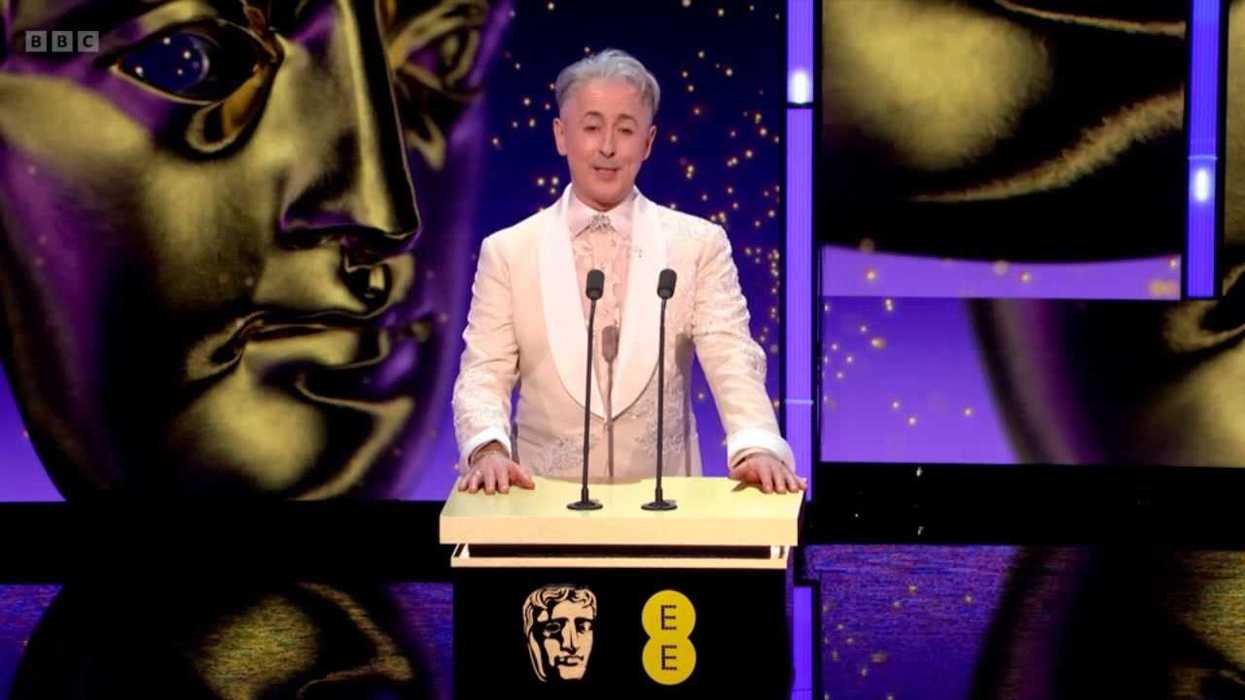
During the live broadcast, ceremony presenter Alan Cumming issued an apology for any strong language viewers might have heard. He explained: "If you have seen the film I Swear, you will know that film is about the experience of a person with Tourette syndrome. Tourette syndrome is a disability and the tics you have heard tonight are involuntary, which means the person who has Tourette syndrome has no control over their language. We apologise if you were offended." Mr Davidson was awarded an MBE in 2019 for his work in raising awareness of Tourette syndrome and supporting affected families.
 Getty
Getty
Ed Palmer, vice chairman of Tourettes Action, suggested on Times Radio that the BBC should have considered bleeping out the slur. He commented: "This is really one of the most acute examples of where something that is a disability can cause quite understandably huge amounts of offence to someone. So, if it’s being pre-recorded now, then bleeping it out, for example, might be a reasonable compromise." He acknowledged the need for case-by-case decisions but remained "very, very mindful of the people that would have quite understandably been hugely offended."
At the awards, Robert Aramayo secured best actor for his role in I Swear, which also won best casting, and was named EE Rising Star. Elsewhere, Sinners director Ryan Coogler made history as the first black winner of the Bafta for best original screenplay for the film, which also earned Wunmi Mosaku best supporting actress and an award for original score. According to the NHS, Tourette syndrome is a condition characterised by sudden, repetitive sounds or movements, which can, in rare instances, include involuntary offensive language. While there is no cure, treatments are available to help manage tics.
Mr Davidson, Bafta, Tourette Scotland, Mr Lindo, and Mr Jordan have all been contacted for comment.
Top 100